
Split Decisions
1988
No user ratings available yet
Representation score: 3.1 out of 10
Representation Score
Good
1983
RDirector
Fred Williamson
Runtime
86 minutes
Average Rating
No ratings yetNew Showbiz Analysis
The film stands out for its portrayal of a Black protagonist with high ability to act and physical prowess. This provides a progressive departure from many contemporary action films by prioritizing a non-white lead in a position of power. However, the film adheres to traditional 1980s genre clichés, particularly regarding gender. Female characters primarily serve as catalysts for male vengeance rather than independent actors, and the narrative lacks any engagement with LGBTQ+ identities. Ultimately, the film balances a critique of corrupt institutional structures with traditional, somewhat limited character archetypes. It succeeds in portraying a hero fighting both biological and systemic limitations.
Category Breakdown
The film does not explicitly depict LGBTQ+ identities. The main plot revolves around a heterosexual relationship that drives the protagonist's actions.
The story follows a traditional male arc of vengeance. Female characters are portrayed as passive figures rather than active agents within the plot.
The film centers on a Black protagonist who plays a significant role in driving the story. The conflict highlights complex power dynamics involving the exploitation of minority talent.
The narrative critiques systemic corruption and predatory capitalism. It portrays the protagonist's revenge as a response to institutional exploitation.
The lead character faces a life-threatening blood clot, adding physical vulnerability. This condition increases the stakes of his struggle against external enemies.
Present on Screen
Limited or Absent
Official Synopsis
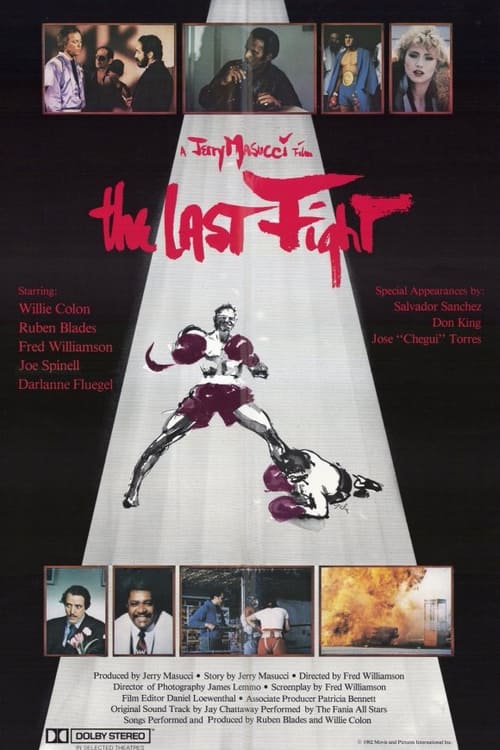
Singer-turned-boxer Andy 'Kid' Clave signs a contract with a shady promoter Joaquin Vargas. But Clave turns against Vargas when the promoter's thugs kill Clave's girlfriend when he thinks about backing out of the contract. While seeking a way to get revenge against Vargas, Clave learns that he has a blood clot in his head. But nothing will deter him from getting his revenge and making a shot at the title.
1988
1947
1987
1956

1962

1995
2003
2021
No reviews yet. Be the first to share your thoughts on this movie!
Use the rating form above to leave a star rating and optional review.