The Lady in Number 6: Music Saved My Life
2013
No user ratings available yet
Representation score: 8.9 out of 10
Representation Score
Excellent
2014
Director
Bernhard Hetzenauer
Runtime
78 minutes
Average Rating
No ratings yetNew Showbiz Analysis
The film transforms a survivor of systemic oppression into a figure of great intellectual influence. It goes beyond a straightforward biography to explore how identity and trauma intersect with historical guilt. By navigating the tension between the filmmaker's SS lineage and the subject's lived experience, the work challenges conventional historical perspectives. It replaces the 'victim' cliché with a sophisticated examination of moral and systemic impacts. While the film excels in exploring ethnic, cultural, and psychological depth, it remains neutral regarding LGBTQ+ representation, as the narrative focuses strictly on the Jewish diaspora and post-war recovery.
Category Breakdown
The film does not explicitly feature LGBTQ+ characters or themes. The narrative focus remains centered on Jewish identity and the psychological aftermath of World War II.
Vera Kohn emerges as a strong central figure, evolving from a displaced refugee to a prominent psychotherapist. She challenges traditional stereotypes of passive women by showcasing her intellectual authority.
The story delves into the complex interplay of Jewish, German, and Czech identities within an Ecuadorian backdrop. This shifts the focus away from Eurocentric views, emphasizing a diaspora experience in Latin America.
The documentary questions Western institutions by examining the Holocaust and inherited guilt. It emphasizes individual psychological truths and dismantles historical narratives rather than adhering to rigid institutional histories.
Mental health issues serve as a central theme rather than a secondary plot device. Vera Kohn's severe mental breakdown is portrayed as a pivotal force driving her professional growth.
Present on Screen
Limited or Absent
Official Synopsis
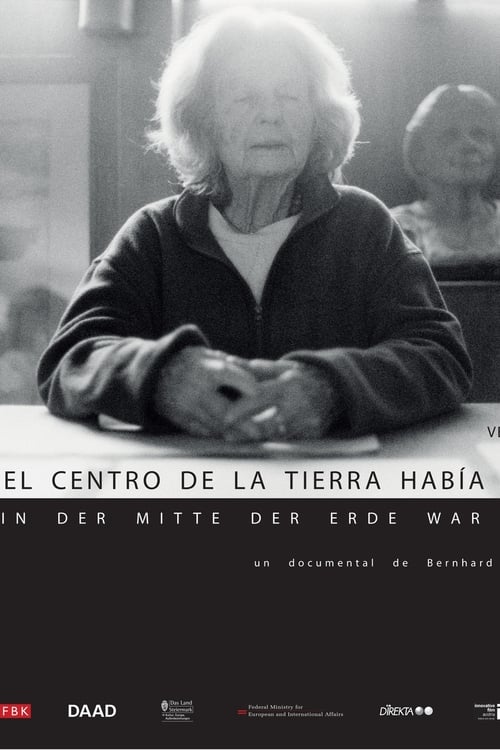
Vera Kohn, a Jewish woman of German descent born in Prague in 1912, fled from Czechoslovakia to Latin America in 1939, where she built a new life for herself as a theater actress in Quito, Ecuador. The trauma of losing home stayed with her forever. A severe mental breakdown changed her life. She spent three years with German Gestalt therapist Karlfried Graf Duerckheim in the Black Forest where she was introduced to his 'Initial Therapy'. Cured, she returned to Ecuador and became the country's most influential psychotherapist. The documentary essay tells the story of various encounters between the Austrian filmmaker whose grandfather was an SS soldier and the remarkable 98-year-old Jewish psychologist.
2013

2012

2021
1998

2024
2021

2017
2005
No reviews yet. Be the first to share your thoughts on this movie!
Use the rating form above to leave a star rating and optional review.