
The Giant
1984
No user ratings available yet
Representation score: 0.0 out of 10
Representation Score
Fair
1998
XDirector
Nick Zedd
Runtime
16 minutes
Average Rating
No ratings yetNew Showbiz Analysis
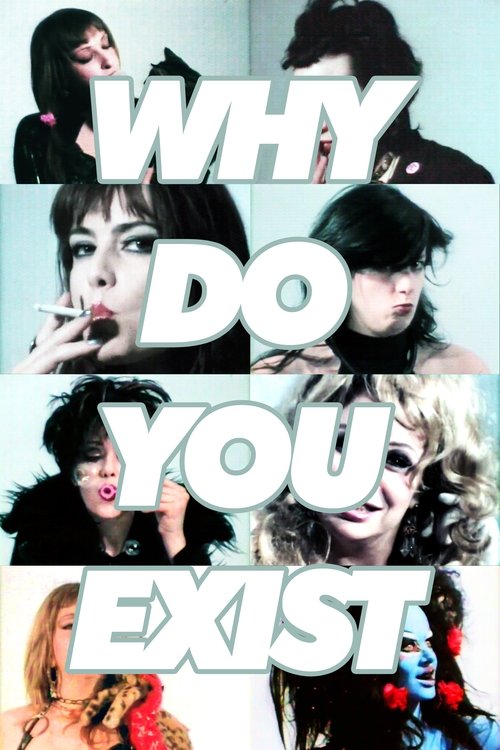
Nick Zedd’s work serves as a sociological study rather than a conventional narrative. By treating the camera as a simple recording device, the film challenges the power dynamics of Hollywood casting and emphasizes the unvarnished presence of its subjects. The film's strength lies in its refusal to follow polished, hierarchical cinematic standards. It adopts a decentralized, observational approach that fosters a more authentic look at diverse urban identities. However, the lack of specific character details makes it hard to assess the depth of representation for certain identities. The film’s impact is felt through its aesthetic disruption rather than explicit character arcs.
Category Breakdown
The film aligns with the Cinema of Transgression movement, which focuses on unvarnished urban types rather than sanitized portrayals of identity.
The minimalist focus on close-ups removes typical environmental cues that usually indicate gendered roles, avoiding reinforcement of traditional hierarchies.
Using real people instead of professional actors helps reflect the organic demographic makeup of an urban environment, avoiding the whitewashing common in studio productions.
The work critiques the high-gloss media industry by returning the camera to a simple recording device, favoring raw human existence over polished, Westernized social veneers.
There is no information available to determine how disability is portrayed or if it is present in the film.
Present on Screen
Limited or Absent
Official Synopsis
A series of close-ups of real urban 'types' in which the camera is returned to its Edison-era status as a simple recording device.
1984
1979
1979
1929
1992
1988

1985

1994
No reviews yet. Be the first to share your thoughts on this movie!
Use the rating form above to leave a star rating and optional review.