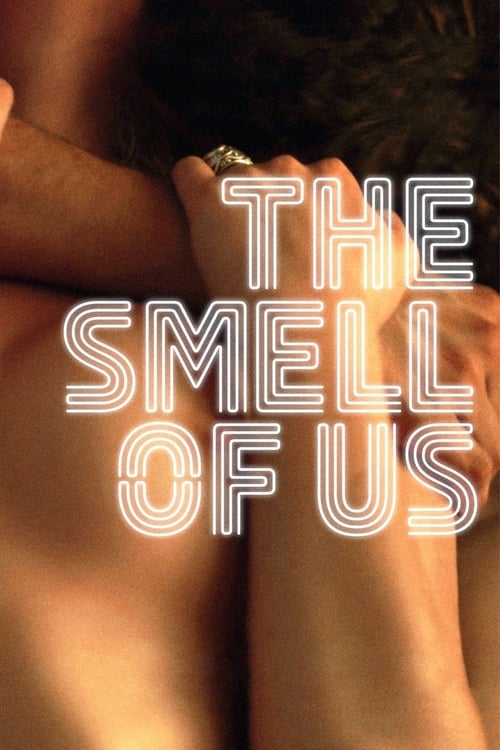
The Smell of Us
2015
No user ratings available yet
Diversity score: 6.1 out of 10

1979
Director
Nick Zedd
Runtime
73 minutes
Average Rating
No ratings yetSynopsis
The rise, fall and rise of a teen death-rock idol.
Overall Score
Fair
Category Breakdown
LGBTQ+ Representation
The film lacks explicit queer narratives in its documented synopsis. However, its No Wave roots suggest a framework that aligns with the era's queer subcultures.
Gender Representation
The narrative disrupts traditional hierarchies by focusing on aggressive, non-conforming behavior. It avoids reinforcing submissive femininity or traditional masculine leadership through its chaotic portrayal of agency.
Racial & Ethnic Diversity
There is insufficient evidence to confirm a diverse cast beyond an Anglo-Saxon majority. The gritty New York setting provides context, but intersectional casting remains unverified.
Religious & Cultural Diversity
The film excels at deconstructing Western institutions and middle-class morality. Its nihilistic tone serves as a profound critique of capitalist stability and traditional ethics.
Disability Representation
There is no verifiable evidence regarding the portrayal of physical or neurodivergent disabilities within the known character arcs.
Strengths
Areas for Improvement
AI Analysis
Nick Zedd’s work functions as a radical deconstruction of systemic norms rather than a study in demographic inclusion. The film finds its progressive edge through cultural subversion and a rejection of mainstream cinematic structures. While the film lacks documented racial and LGBTQ+ representation, it prioritizes the agency of the marginalized outsider. It uses a nihilistic, anti-capitalist framework to challenge the authority of established social orders. Ultimately, the work is defined by its commitment to moral relativism. It replaces traditional social hierarchies with a transgressive, anti-establishment aesthetic.
2015
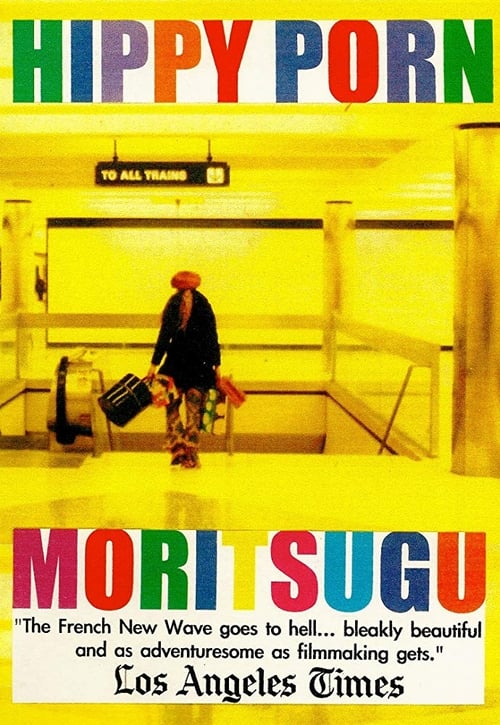
1991

2001

2011

2016

2024
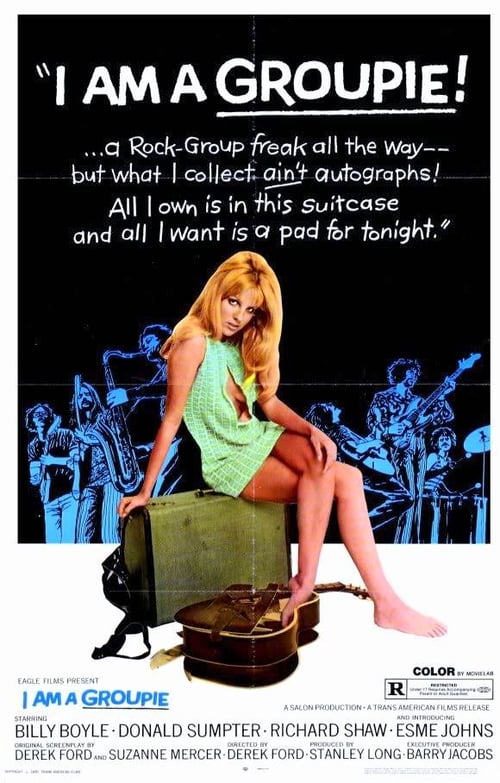
1970

2017

1977

1970
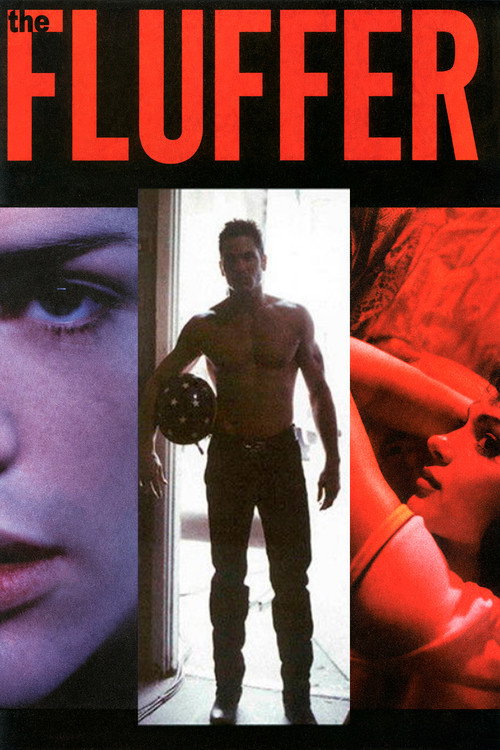
2001

1997
No reviews yet. Be the first to share your thoughts on this movie!
Use the rating form above to leave a star rating and optional review.