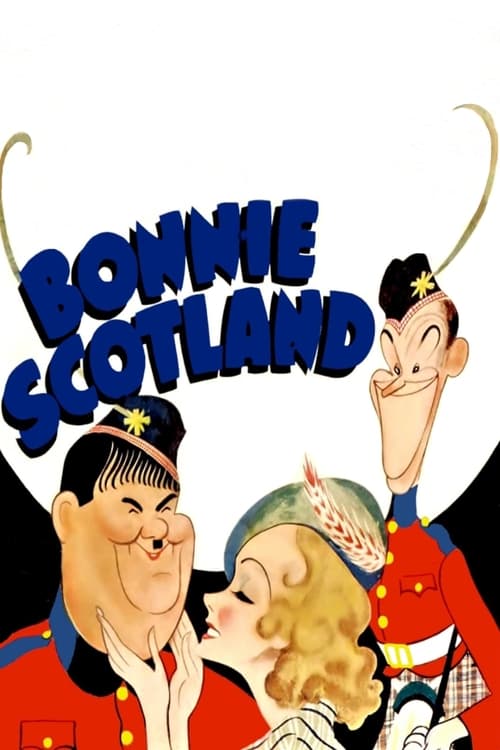
Bonnie Scotland
1935
No user ratings available yet
Diversity score: 2.3 out of 10
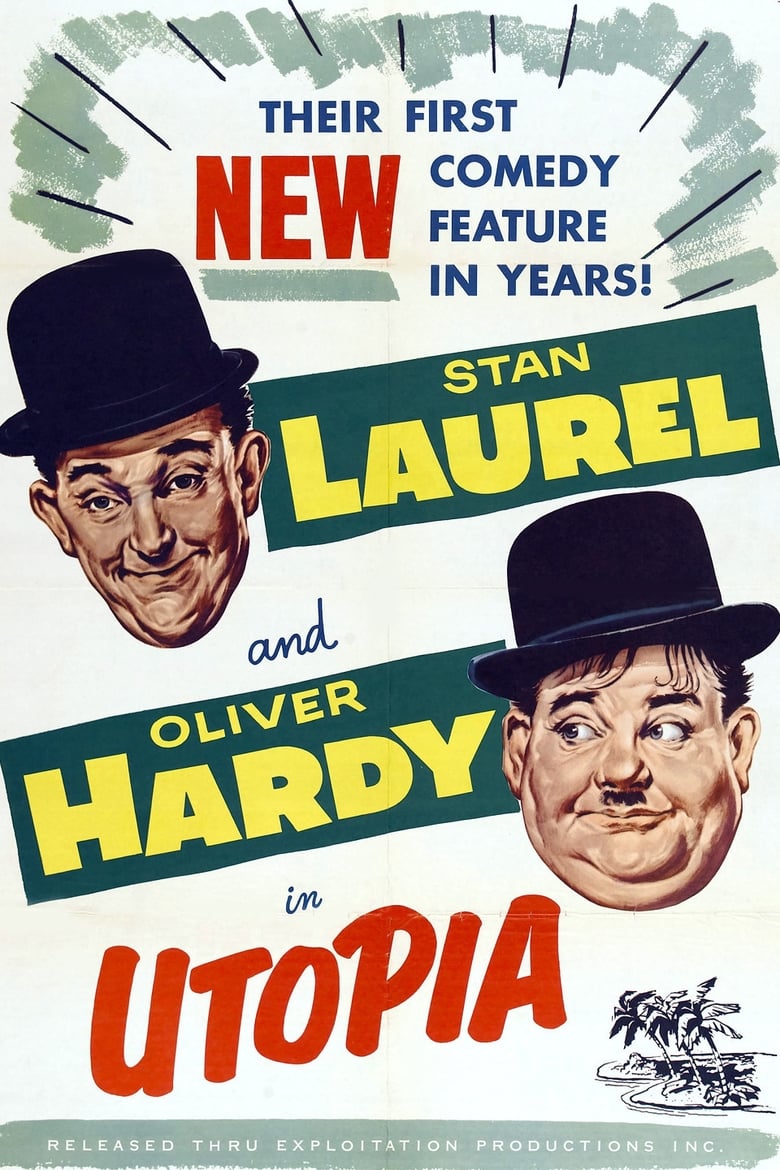
1951
NRDirector
Léo Joannon
Runtime
82 minutes
Average Rating
No ratings yetSynopsis
Stan and Ollie are marooned on an island in the south pacific ocean.
Overall Score
Limited
Category Breakdown
LGBTQ+ Representation
The film contains no discernible LGBTQ+ characters or narratives. The story focuses on traditional male-centric survival tropes common to mid-century adventure cinema.
Gender Representation
The narrative is heavily skewed toward a male-dominated survival plot. Female agency is virtually non-existent, reinforcing traditional gender hierarchies through a masculine lens of isolation.
Racial & Ethnic Diversity
Representation relies on the 'native inhabitant' archetype typical of 1950s colonial cinema. While non-white actors appear, characters lack agency and function primarily as an 'othered' presence.
Religious & Cultural Diversity
The film follows a standard Western survivalist trajectory without offering secularist or anti-Western critiques. It adheres to traditional mid-century values and linear narrative structures.
Disability Representation
There is no evidence of characters with visible or invisible disabilities being portrayed with agency. The focus remains strictly on physical survival and standard archetypes.
Strengths
Areas for Improvement
AI Analysis
Robinson Crusoeland is a product of its historical era, functioning as a traditional adventure comedy that adheres to mid-century cinematic conventions. It lacks intentional subversion of social hierarchies, instead relying on established tropes of the period. The film's structure prioritizes a masculine experience of survival and conquest. This focus results in a significant lack of female agency and a reliance on colonial-era archetypes for racial representation. Ultimately, the work serves as a standard example of mid-century Western adventure, offering minimal complexity regarding identity or cultural critique.
1935
1953
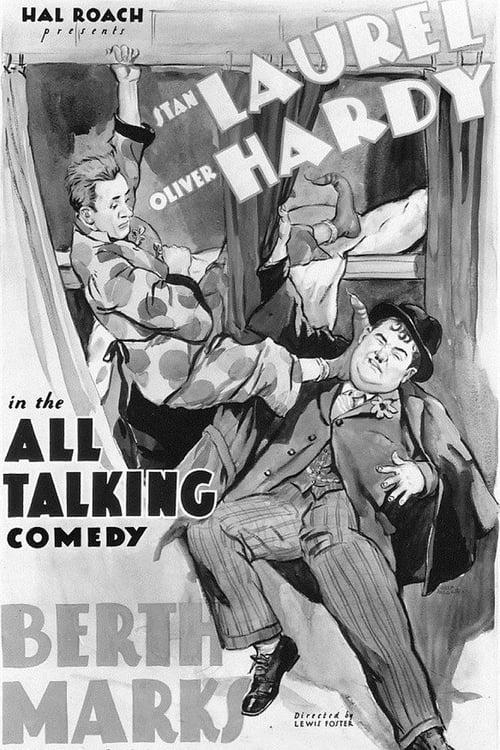
1929
1928
1933
1944
1931
1952
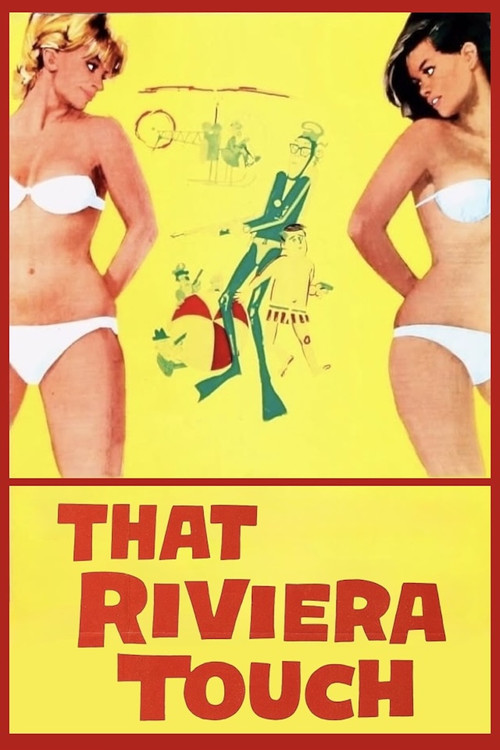
1966
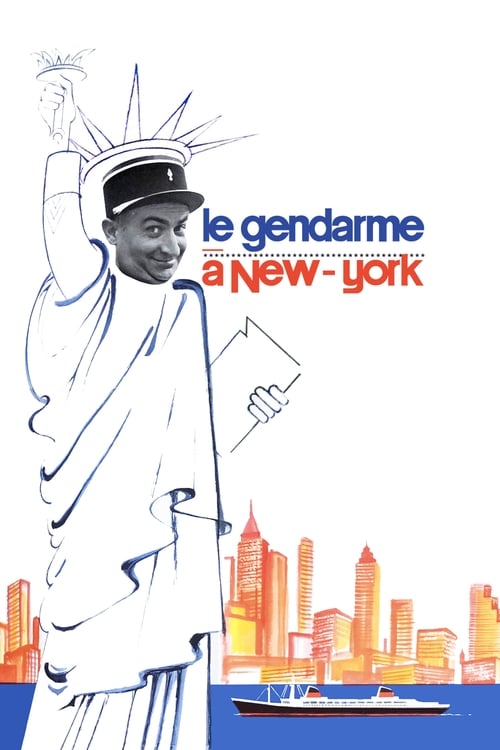
1965

1955
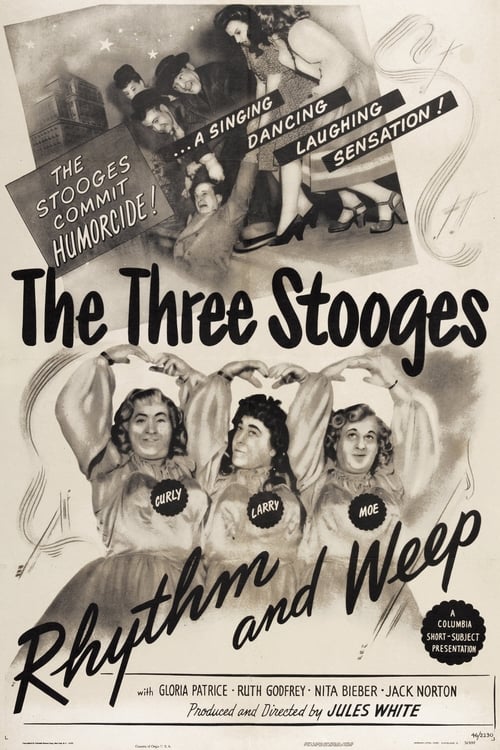
1946
No reviews yet. Be the first to share your thoughts on this movie!
Use the rating form above to leave a star rating and optional review.