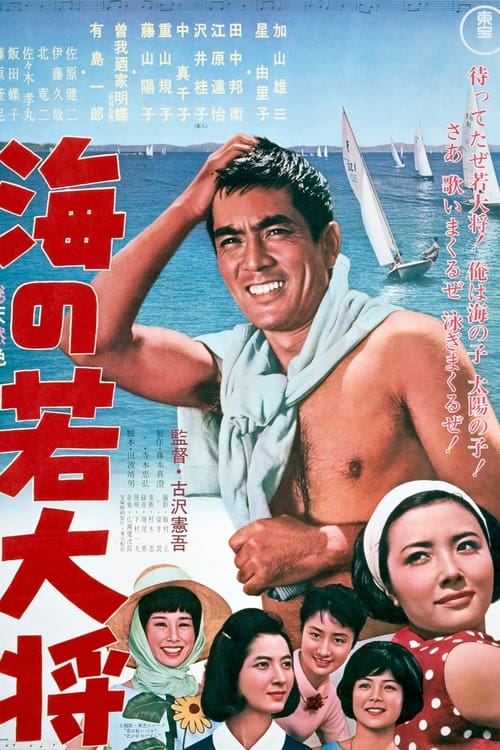
Young Guy at Sea
1965
No user ratings available yet
Representation score: 3.2 out of 10
Representation Score
Limited
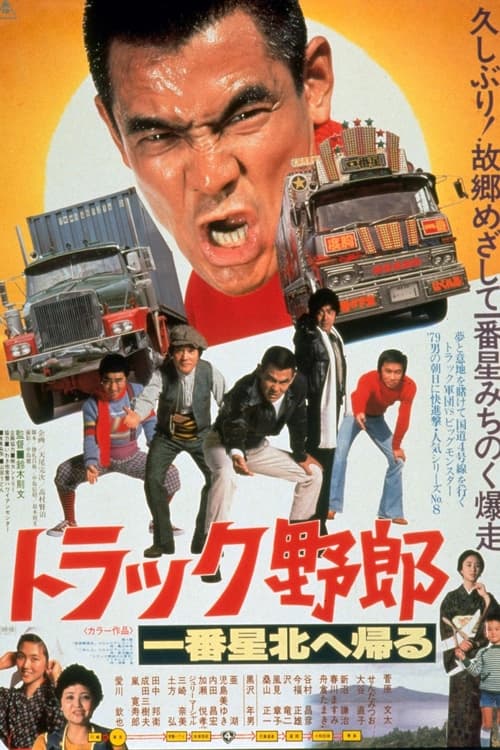
1978
TV-MADirector
Norifumi Suzuki
Runtime
110 minutes
Average Rating
No ratings yetNew Showbiz Analysis
This film is a product of 1970s Japanese populist cinema, emphasizing the blue-collar, masculine traditions of the era. It prioritizes the 'lone wanderer' archetype and the itinerant working class. While the protagonist's nomadic lifestyle subtly critiques rigid, state-driven social hierarchies, the film lacks complexity in representing diverse social identities. The representation remains deeply rooted in the specific cultural and temporal context of its time. Ultimately, the work celebrates traditional masculinity and working-class grit rather than serving as a platform for diverse social identities.
Category Breakdown
The film follows the straight-centered social structures typical of 1970s Japanese action-comedies. There is no indication of non-traditional gender identities or same-sex relationships.
The story focuses on hyper-masculine archetypes and rugged laborers. Female characters are present but are mostly confined to traditional romantic or domestic roles.
The film portrays a largely homogeneous Japanese society. It reflects the domestic social realities of 1978 with little emphasis on multi-ethnic casting.
The narrative emphasizes itinerant individualism and personal autonomy over rigid social hierarchies. Traditional values such as loyalty and grit are highlighted.
There is no significant evidence regarding the portrayal of visible or invisible disabilities in this installment.
Present on Screen
Limited or Absent
Official Synopsis
Eighth movie in the Torakku Yarō series
1965
1975
1991
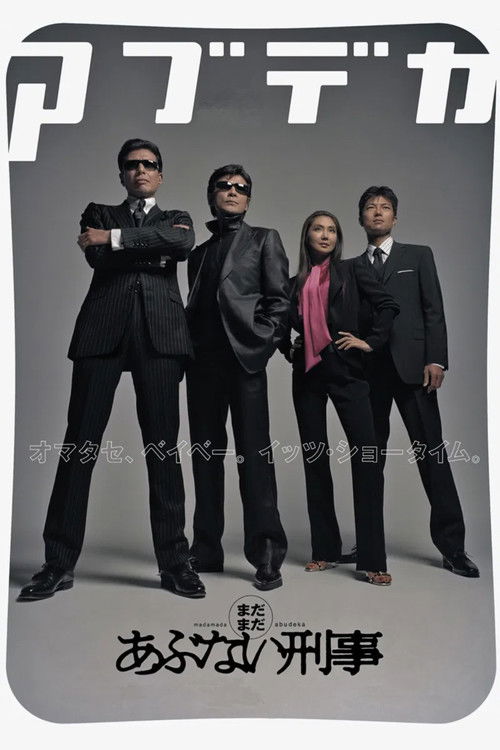
2005
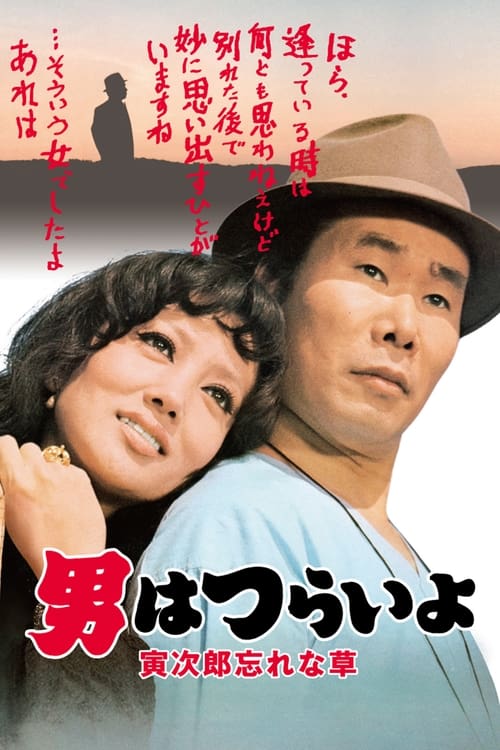
1973

1978

2010

2005
No reviews yet. Be the first to share your thoughts on this movie!
Use the rating form above to leave a star rating and optional review.