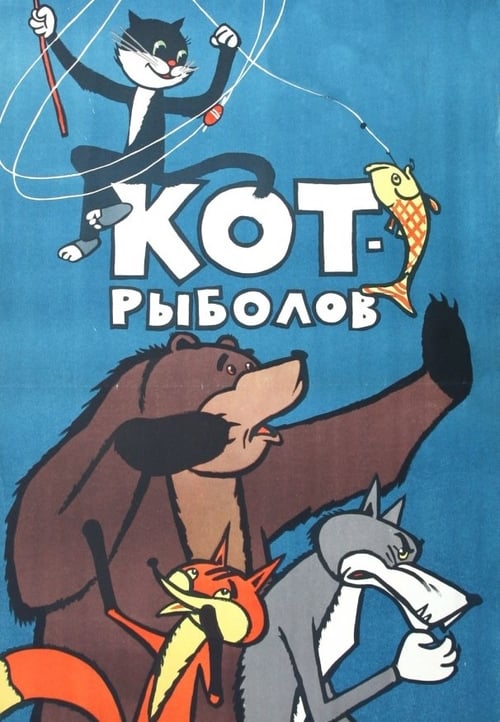
The Fisher Cat
1964
No user ratings available yet
Representation score: 3.8 out of 10
Representation Score
Good
1973
Director
Natalia Chervinskaya
Runtime
17 minutes
Average Rating
No ratings yetNew Showbiz Analysis
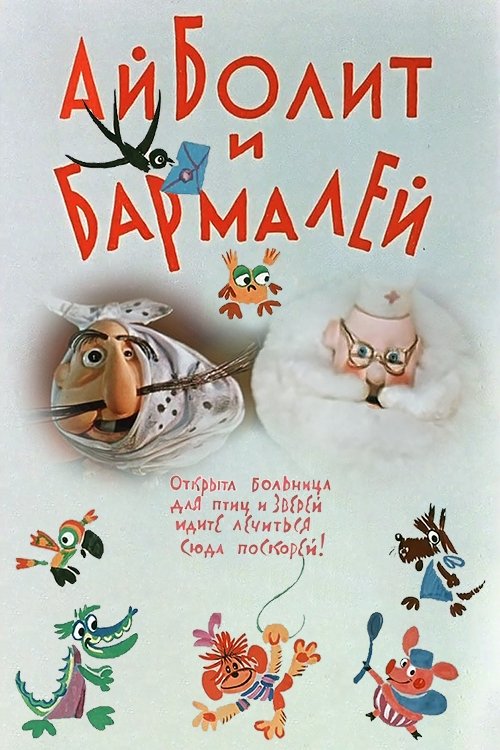
Aibolit and Barmaley is a culturally significant piece of animation that diverges from Western capitalist storytelling structures. Its strength lies in presenting a moral landscape focused on communal care rather than individualistic triumph. However, the film adheres to traditional archetypes common to its era. The absence of explicit representation of diverse identities or character's ability to drive the story keeps the portrayal within a standard, neutral baseline. Ultimately, the film's value is found in its geopolitical context, which enhances its cultural standing by challenging Western storytelling conventions.
Category Breakdown
The film follows a neutral approach typical of Soviet-era family animation. There is no clear depiction of LGBTQ+ identities or challenges to the idea that everyone is straight and cisgender.
The story focuses on traditional roles of a healer and a robber. While director Natalia Chervinskaya's involvement hints at potential nuance, it is unclear if female characters play a significant role in driving the story.
As a localized adaptation, the film does not show signs of multi-ethnic casting or racial symbolism. It presents a standard baseline without specific examples of whitewashing or intentional diversity.
The work stands apart from Western storytelling traditions. It emphasizes communal well-being and moral relativism instead of individualistic or capitalistic hero-versus-villain narratives.
The medical theme around Dr. Aibolit highlights physical vulnerability and restorative care. It is unclear if characters with disabilities are active agents or merely plot devices.
Present on Screen
Limited or Absent
Official Synopsis
About the adventures of the good doctor Aibolit and the evil robber Barmalei.
1964
1963
1971
1969
1984
1970
1983
1980
No reviews yet. Be the first to share your thoughts on this movie!
Use the rating form above to leave a star rating and optional review.