A French Woman
1995
No user ratings available yet
Diversity score: 4.4 out of 10
1978
RDirector
George Kaczender
Runtime
110 minutes
Average Rating
No ratings yetSynopsis
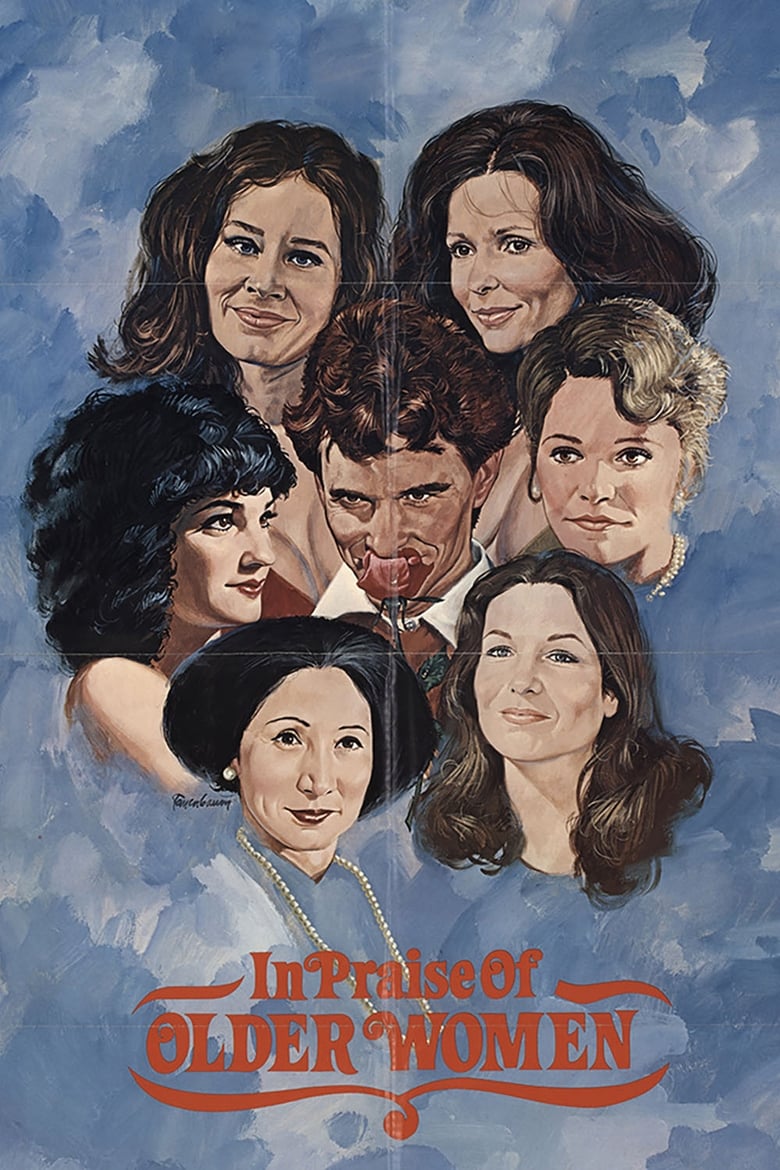
Andras Vayda grows up in a turbulent, war-torn Hungary, where he procures local girls for the occupying G.I.'s during World War II. Disappointed by girls of his age, he meets Maya, a married women in her thirties, who tutors him in the lessons of love and romance. Maya is only the first of many mature women that Andras will meet through his teenage and young adult life.
Overall Score
Fair
Category Breakdown
LGBTQ+ Representation
The film focuses on heteronormative romantic and sexual discovery. It explores unconventional age gaps but lacks queer narratives or non-cisnormative gender identities.
Gender Representation
Women serve as the primary drivers of the protagonist's emotional evolution. By positioning mature women as mentors, the film subverts traditional tropes of the youthful male as the sole romantic agent.
Racial & Ethnic Diversity
The casting reflects the localized demographic of mid-century Hungary. While it provides a culturally specific European lens, the narrative does not expand the racial scope beyond its historical setting.
Religious & Cultural Diversity
The story engages with moral relativism by centering on extramarital and age-disparate relationships. It avoids rigid moralism, focusing instead on individualistic pursuits of experience and human desire.
Disability Representation
There is no discernible focus on visible or invisible disabilities within the narrative.
Strengths
Areas for Improvement
AI Analysis
The film distinguishes itself by disrupting traditional age-based hierarchies in romantic storytelling. Instead of a standard coming-of-age tale, it centers on intergenerational dynamics where women act as the architects of the protagonist's sexual awakening. However, the work remains limited by its historical and heteronormative focus. It does not explore queer identities or diverse racial perspectives, staying strictly within its specific Hungarian context. Ultimately, the film is a transitional piece. It earns credit for subverting gendered power dynamics even as it lacks modern intersectional breadth.
1995
2005
2001

1989
1950

2023

1965
1994

1960

1978
1995
1955
No reviews yet. Be the first to share your thoughts on this movie!
Use the rating form above to leave a star rating and optional review.