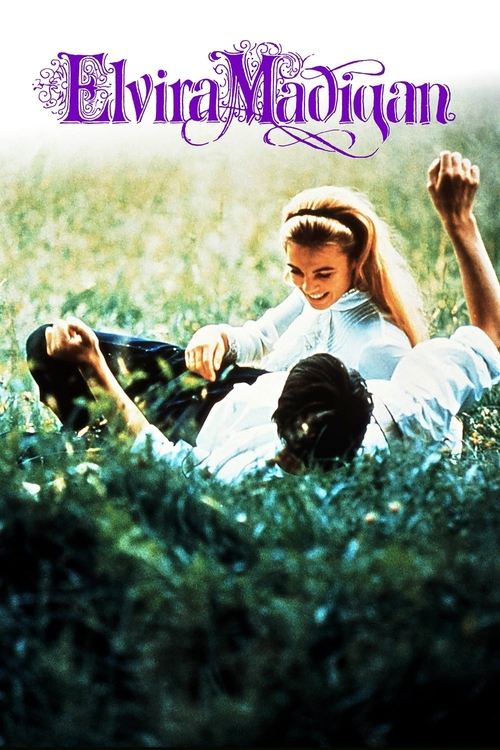
Elvira Madigan
1967
No user ratings available yet
Representation score: 2.5 out of 10

Representation Score
Limited
1995
UnratedDirector
Bo Widerberg
Runtime
125 minutes
Average Rating
No ratings yetNew Showbiz Analysis
Bo Widerberg’s drama succeeds as a character study of individual autonomy against mid-century social constraints. It effectively deconstructs the 'ideal' family structure by highlighting the hypocrisy of traditional institutions. However, the film is limited by its lack of diversity. The setting and casting reflect a very specific, homogeneous Swedish period, offering little representation for racial or LGBTQ+ identities. Ultimately, the film's progressive value lies in its challenge to gender hierarchies and its focus on personal ability to act over societal dictates.
Category Breakdown
The story focuses on a heterosexual relationship and lacks characters with non-binary or transgender identities. It doesn't challenge the assumption that everyone is straight or cisgender.
Viola is portrayed with significant emotional and sexual ability to act. Her rejection of a patriarchal marriage challenges the submissive female roles expected in the mid-century era.
The film reflects the demographic homogeneity of 1940s Malmö. There is no evidence of diverse ethnic groups or actors cast outside traditional expectations.
The narrative critiques rigid, hypocritical moral codes and religious structures. It contrasts the protagonists' lived experiences against the performative morality of the adult community.
There are no prominent depictions of visible or invisible disabilities that serve as central narrative drivers in this work.
Present on Screen
Limited or Absent
Official Synopsis
In 1943 Malmö, 15-year-old Stig is attracted to his teacher Viola, 22 years his senior, who, drawn to his youth and innocence, believes the lad is a God-sent relief from her miserable marriage to a drunken, unfaithful lout.
1967

1970
1978

1953

1965

1997

1986

1988
No reviews yet. Be the first to share your thoughts on this movie!
Use the rating form above to leave a star rating and optional review.