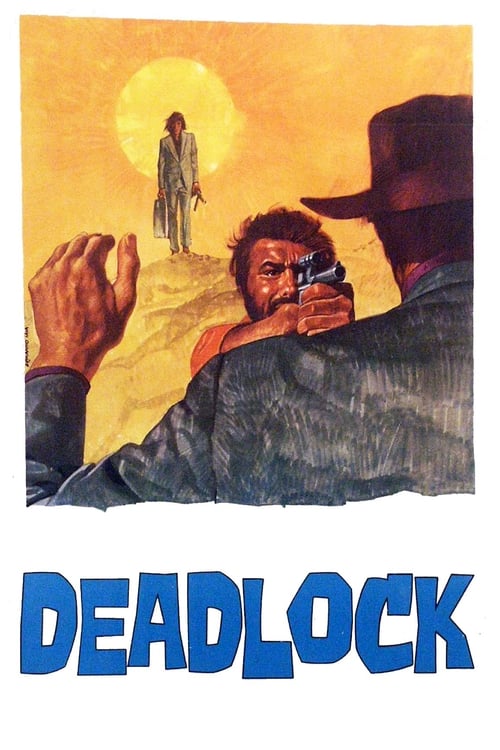
Deadlock
1970
No user ratings available yet
Representation score: 1.8 out of 10
Representation Score
Limited
1970
Not RatedDirector
Cesare Canevari
Runtime
100 minutes
Average Rating
No ratings yetNew Showbiz Analysis
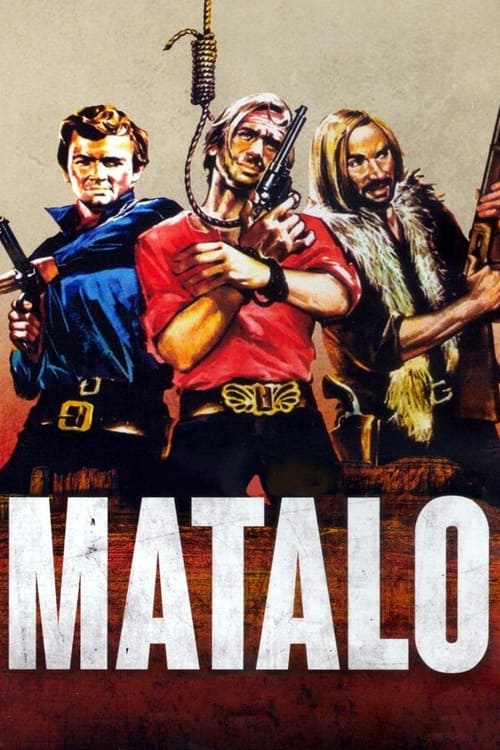
Matalo! (Kill Him) is a quintessential Spaghetti Western that prioritizes genre clichés over social complexity. The narrative is driven by individualistic survival, gold robbery, and betrayal, which keeps the focus strictly on masculine archetypes and nihilistic conflict. The film adheres to the established conventions of 1970s Italian exploitation cinema. It lacks intentionality regarding multi-layered representation, instead leaning into the traditional, homogeneous groupings common to the Western genre. Ultimately, the work functions as a standard action-driven piece. It does not seek to disrupt social hierarchies or provide meaningful representation for underrepresented groups.
Category Breakdown
The film does not include any characters with non-straight or non-cisgender identities, nor does it show any same-sex intimacy. It follows a traditional framework that assumes everyone is straight and cisgender.
The story revolves around a group of masculine outlaws. Themes of betrayal and survival emphasize traditional hierarchies of dominance and violence, reinforcing gender roles.
The narrative focuses on a typical group of cattle thieves. While it does not explicitly whitewash the cast, there is no confirmation of a diverse or non-white majority cast.
Characters operate within a framework of moral relativism and genre-standard nihilism. The plot uses crime and betrayal as drivers rather than critiquing systemic institutions.
There is no mention of characters with visible or invisible disabilities. No representation of disability is present in the narrative.
Present on Screen
Limited or Absent
Official Synopsis
A gang of cattle thieves rescue a criminal from the gallows, and later rob a stagecoach loaded with gold. When they get the loot, he is betrayed and left dying in the middle of the desert. In the escape they reach a mysterious ghost town, where they perceive there is something strange about ...
1970
1973
1967
1967
1970
1969
1971
1948
No reviews yet. Be the first to share your thoughts on this movie!
Use the rating form above to leave a star rating and optional review.