
Personnel
1976
No user ratings available yet
Representation score: 5.4 out of 10
Representation Score
Limited
1966
Director
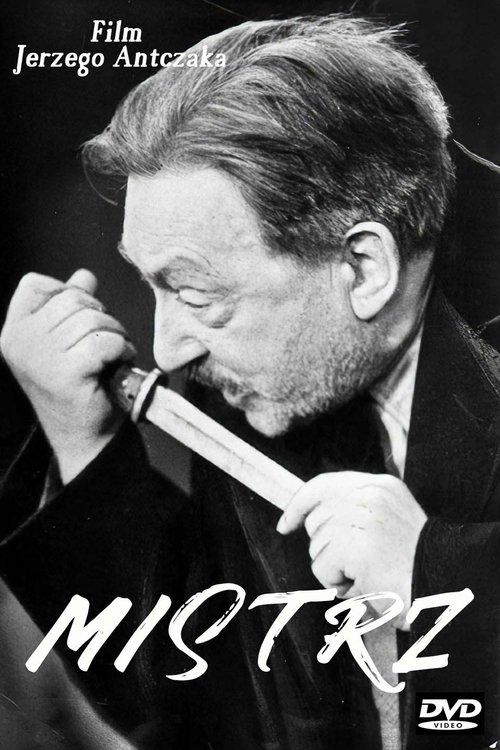
Jerzy Antczak
Runtime
77 minutes
Average Rating
No ratings yetNew Showbiz Analysis
Master is a psychological character study that prioritizes internal landscapes over broad demographic representation. It successfully deconstructs traditional heroic narratives by intertwining Shakespearean performance with the fragmentation of wartime memory. However, the film remains confined within the limitations of its era's cinematic norms. It features a predominantly homogeneous cast and focuses heavily on masculine archetypes, leaving little room for diverse perspectives or characters who reflect more than one aspect of diversity. Ultimately, the work prioritizes intellectual depth and the exploration of subjective truth and wartime trauma over contemporary identity markers.
Category Breakdown
The film examines a psychological bond between a mentor and protégé. Although the relationship may carry potential homoerotic undertones typical of mid-century European cinema, there is no explicit indication of non-straight relationships.
The narrative centers around a male-dominated theatrical environment. It emphasizes masculine archetypes and traditional power struggles, offering little evidence of female characters playing significant roles.
As a 1966 Polish production, the film features a historically homogeneous European cast. The story prioritizes localized wartime memories rather than ethnic diversity or varied casting.
The film provides a sophisticated critique of cultural and institutional stability. It employs Shakespearean themes to deconstruct traditional heroism through a lens of trauma and existentialism.
There is no evident portrayal of physical or neurodivergent disabilities within the film's narrative.
Present on Screen
Limited or Absent
Official Synopsis
A young actor preparing for the part of Macbeth recalls his wartime memories connected with his mentor.
1976
1989

1979
1962

2005

1973
1984

1954
No reviews yet. Be the first to share your thoughts on this movie!
Use the rating form above to leave a star rating and optional review.