Hamlet
1969
No user ratings available yet
Representation score: 4.1 out of 10
Representation Score
Limited
1973
Director
Anthony Page, Samuel Beckett
Runtime
13 minutes
Average Rating
No ratings yetNew Showbiz Analysis
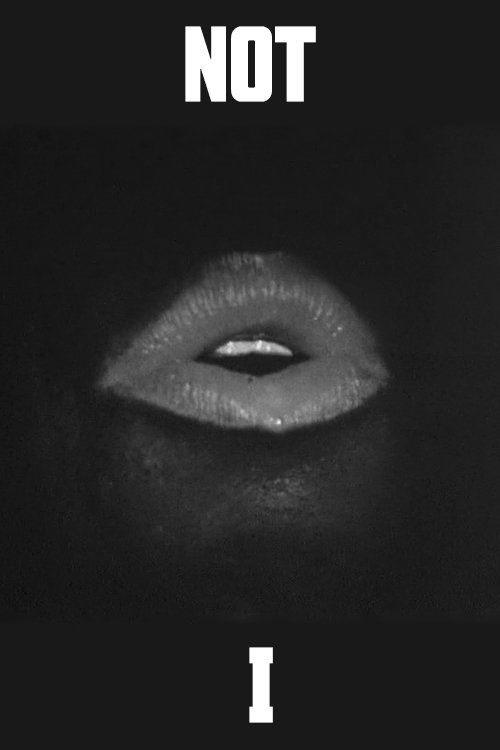
Not I is a highly specialized work of avant-garde theater that prioritizes abstract existentialism over social representation. Its minimalist, fragmented aesthetic focuses on the instability of the human subject rather than interpersonal dynamics. While the film succeeds in disrupting traditional narrative structures and rejecting institutional truths, its narrow scope limits its diversity. The focus on a singular, isolated consciousness precludes the exploration of varied identities or cultural intersections. Ultimately, the production functions as a philosophical exercise, trading broad categorical representation for a deep, postmodern investigation into the dissolution of the self.
Category Breakdown
The production is a solo monologue focused on a single consciousness. It does not depict any LGBTQ identities or interpersonal relationships.
The work centers entirely on a female subject, breaking away from traditional gender hierarchies. However, it deconstructs identity into fragmented parts rather than offering conventional empowerment.
The minimalist setting and singular performer provide no evidence of a diverse cast. The focus remains on fractured consciousness rather than specific racial or ethnic identities.
The film embraces existential relativism and challenges Western epistemological traditions. It prioritizes secular, subjective inquiry over religious or institutional morality.
The character's struggle with speech and memory mirrors experiences of cognitive fragmentation. These elements serve as philosophical metaphors rather than character-driven representations of disability.
Present on Screen
Limited or Absent
Official Synopsis
Performed at the Royal Court Theatre on 16th January 1973
1969

1963

1975
1961
1964
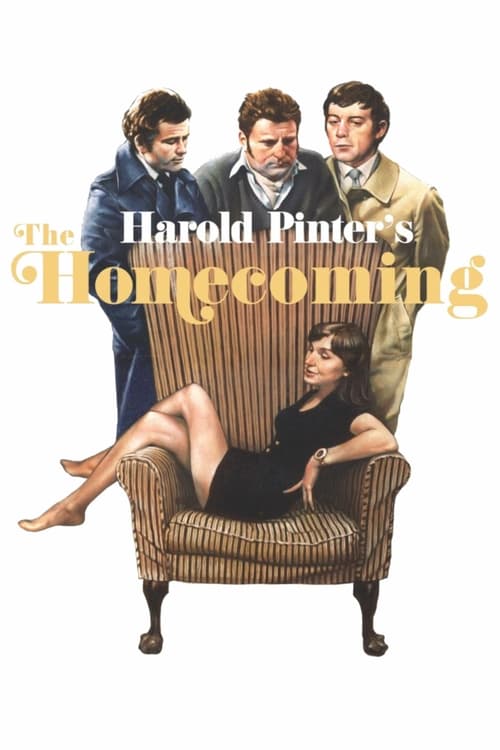
1973
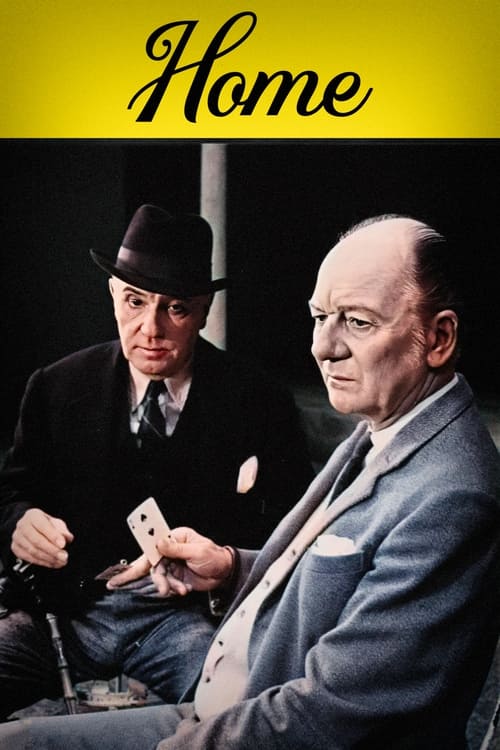
1972

1981
No reviews yet. Be the first to share your thoughts on this movie!
Use the rating form above to leave a star rating and optional review.