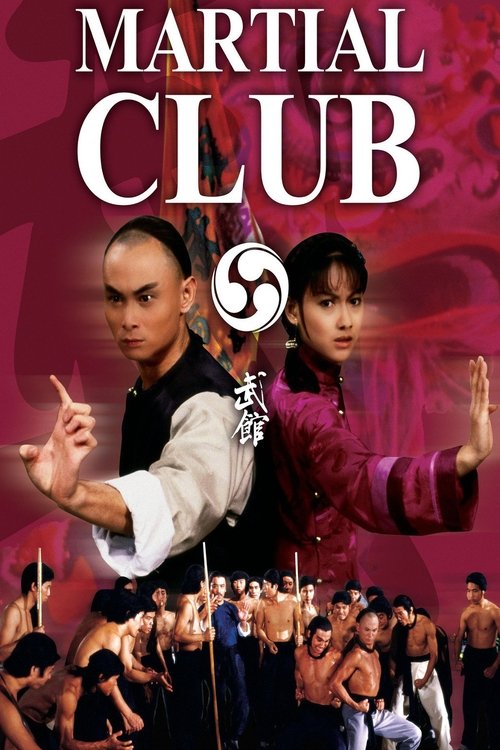
Martial Club
1981
No user ratings available yet
Representation score: 3.7 out of 10

Representation Score
Limited
1976
Director
Tsai Yang-Ming
Runtime
100 minutes
Average Rating
No ratings yetNew Showbiz Analysis
Young Hero of Shaolin is a classic martial arts film that prioritizes genre clichés and physical spectacle. The narrative follows a traditional hero's journey, focusing on the development of friendship and combat skills between male protagonists. While the film offers a culturally significant non-Western perspective, it lacks complexity in representing diverse identities. The story is built around masculine archetypes and does not feature diverse identity representation or gender subversion. Ultimately, the film functions as a localized cultural narrative. It succeeds in presenting traditional martial arts values but lacks the progressive representation found in more diverse modern cinema.
Category Breakdown
The film focuses on a martial arts rivalry and a close friendship between two male fighters. There is no indication of non-straight relationships or same-sex intimacy.
The story centers on male characters and their physical prowess. It lacks female characters and operates within a traditional masculine framework where conflict is driven by male combatants.
As a Hong Kong production, the film features a predominantly Chinese cast. It provides a non-Western perspective centered on traditional martial arts heritage.
The story explores themes of justice and challenges to corrupt authority. It remains rooted in traditional genre storytelling rather than explicit secularist or political critiques.
There is no evidence of characters with visible or invisible disabilities. Disability is not used as a narrative device in this work.
Present on Screen
Limited or Absent
Official Synopsis
This film is about Fong Sai-yu going under cover as a servant in the villain's mansion. He is a famous fighter that fights for justice. While at the mansion he met the great Kow Lee played by Tao-Liang Tan also a great fighter that works there for the villain. He recognize Fong Sai-Yu right away and challenge him to a fight because he wanted to match his fighting skill with the famous fighter. At first Fong Sai-Yu declined but eventually agreed after the great Kow Lee threatens to reveal his identity. They met on top of a mountain where they fought to a draw and then became great friends. The great Kow Lee later help Fong Sai-Yu at the end of the film to defeat the villain who was very tough to beat.
1981
1967
1976
1976
1980
1973
1978
1978
No reviews yet. Be the first to share your thoughts on this movie!
Use the rating form above to leave a star rating and optional review.