Les joyeux lurons
1972
No user ratings available yet
Representation score: 2.6 out of 10
Representation Score
Fair
1973
Director
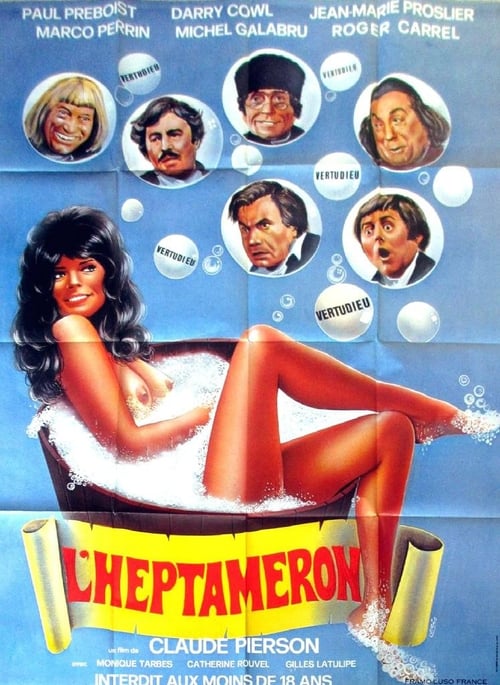
Claude Pierson
Runtime
84 minutes
Average Rating
No ratings yetNew Showbiz Analysis
Claude Pierson’s comedy primarily serves as a satirical critique of religious asceticism. It examines the tension between spiritual devotion and human impulses by focusing on characters who hold moral authority but act on carnal desires. Though the film lacks breadth in racial or LGBTQ+ representation, it achieves a moderate score through narrative subversion of religious authority. It effectively challenges the perceived sanctity of Western spiritual institutions through comedic deconstruction. The work highlights the fallibility of traditional social hierarchies by disrupting clerical roles to drive its satirical message.
Category Breakdown
The film does not include any explicit representations of LGBTQ+ identities or same-sex relationships. The story revolves around traditional heterosexual romance within a village setting.
The story challenges traditional gender roles by showing monks actively pursuing female companionship. A village woman serves as a catalyst, highlighting the active role of women in driving the plot.
The production likely mirrors the homogeneous demographics typical of 1973 European cinema. There is no indication of significant ethnic diversity or varied casting.
The film critiques Western religious institutions by depicting spiritual figures through the lens of secular pleasure. It uses moral relativism to highlight the hypocrisy of organized religion.
There is no evidence in the available records to suggest the inclusion of characters with visible or invisible disabilities.
Present on Screen
Limited or Absent
Official Synopsis
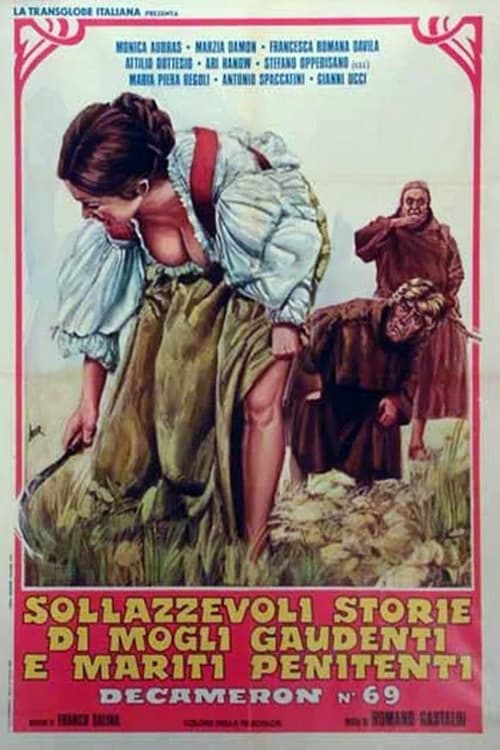
Two monks come to a small village to lead a simple life but their first act of charity is to try and seduce one of the village women.
1972
1973
1972
1971
1983

1973
1973
1972
No reviews yet. Be the first to share your thoughts on this movie!
Use the rating form above to leave a star rating and optional review.