House Hunting Mice
1947
No user ratings available yet
Representation score: 0.9 out of 10
Representation Score
Limited
1954
ApprovedDirector
Robert Cannon
Runtime
7 minutes
Average Rating
No ratings yetNew Showbiz Analysis
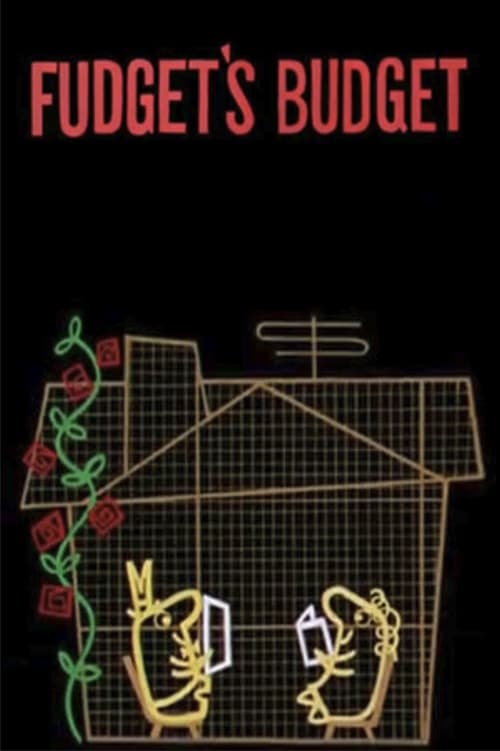
Fudget's Budget is a mid-century animated short that explores the domestic economics of a nuclear family. While the UPA studio's modernist aesthetic often provided a platform for social satire, the film's core subject matter remains rooted in the traditional structures of the 1950s. The narrative focuses heavily on the management of a family budget, reinforcing Western capitalist values and the stability of the nuclear family unit. This focus limits the scope for diverse perspectives or storytelling that reflects multiple aspects of identity. Ultimately, the film functions as a period piece that reflects the social and economic homogeneity of its era. It prioritizes traditional archetypes over progressive representation or diverse casting.
Category Breakdown
The film does not include any characters with LGBTQ+ identities or queer narratives. It adheres to the assumption that everyone is straight or cisgender, which was common in 1954.
The focus on a nuclear family reinforces traditional gender roles. However, the UPA studio's history of satire might subtly challenge some domestic stereotypes.
The depiction likely reflects the homogeneous, Western-centric casting standards of the mid-century animation industry. There is no indication of racial diversity within the core family unit.
The narrative centers on capitalist structures and the maintenance of the traditional Western family unit. It operates within mid-century social stability without challenging economic models.
There is no evidence to suggest the inclusion of characters with visible or invisible disabilities.
Present on Screen
Limited or Absent
Official Synopsis
UPA cartoon about a nuclear family trying to live within a family budget.
1947
1970
1952
1946

1953
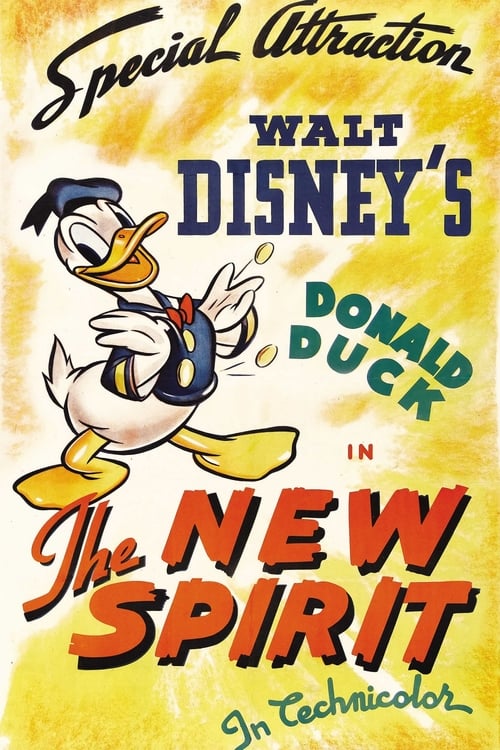
1942

1955
1940
No reviews yet. Be the first to share your thoughts on this movie!
Use the rating form above to leave a star rating and optional review.