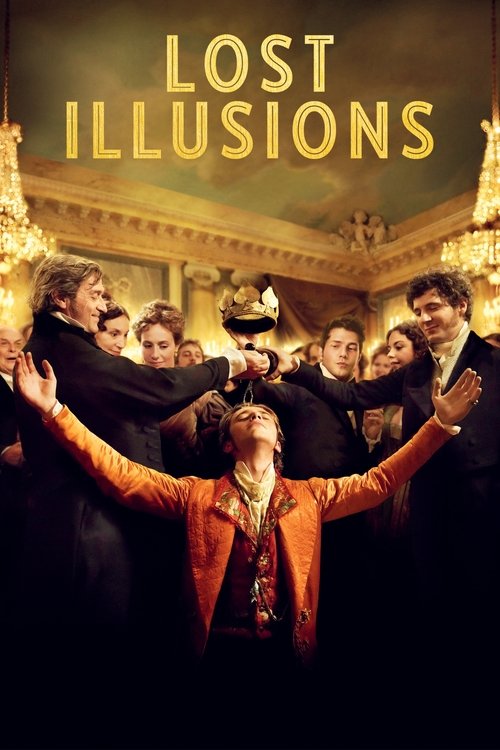
Lost Illusions
2021
No user ratings available yet
Representation score: 6.1 out of 10
Representation Score
Fair
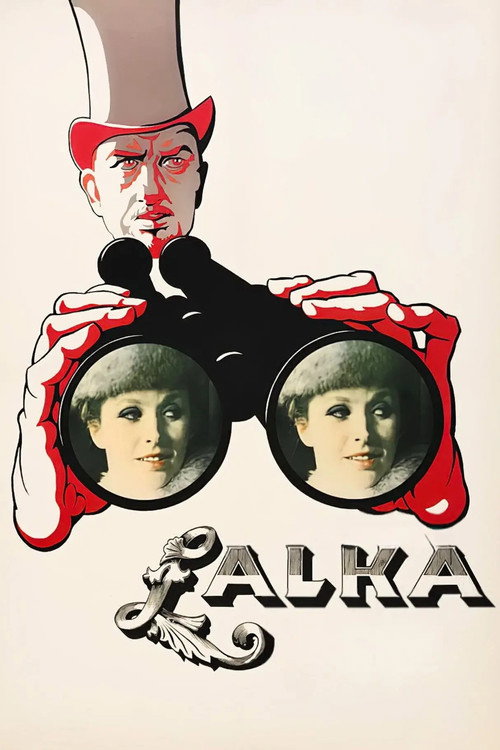
1968
Director
Wojciech Has
Runtime
152 minutes
Average Rating
No ratings yetNew Showbiz Analysis
Wojciech Has’s adaptation is a surrealist exploration of class conflict and social hierarchy in 19th-century Warsaw. Its main strength lies in its structural critique of decaying institutions and the tension between meritocracy and inherited status. However, the film lacks modern demographic inclusion. It adheres to the homogeneous ethnic and conventions that assume everyone is straight of its historical setting, offering little in the way of characters who reflect more than one aspect of diversity. Ultimately, the film's progressive value is found in its subversion of social orders through a fragmented, postmodern lens rather than through diverse casting.
Category Breakdown
The story focuses on the romantic obsession between Wokulski and Izabela Łęcka. There are no representations of LGBTQ+ identities or queer subtext in the plot.
Izabela is shown as a symbol of an unattainable social ideal rather than just a romantic interest. The film highlights how women are objectified by the male gaze.
The film reflects the homogeneous ethnic makeup of 19th-century Poland. It does not intentionally include racial diversity, focusing instead on the social class divisions in Warsaw.
The film provides a sophisticated critique of the aristocracy, presenting the landed gentry as a stagnant, parasitic class. It emphasizes subjective experiences over strict social or religious rules.
There are no explicit depictions of physical or neurodivergent disabilities. The surrealist style serves as a metaphor for psychological instability rather than character-driven representation.
Present on Screen
Limited or Absent
Official Synopsis
Set in the 19th century Warsaw. The indolence of aristocrats who, secure with their pensions, are too lazy to undertake new business risks, frustrates Wokulski. His ability to make money is respected but his lack of family and social rank is condescended to. Because of his "help" (in secret) to "the doll's" impecunious but influential father, the girl becomes aware of his affection.
2021

1961
1976
1949
1967

1958
1973
1973
No reviews yet. Be the first to share your thoughts on this movie!
Use the rating form above to leave a star rating and optional review.