Fabian: Going to the Dogs
2021
No user ratings available yet
Representation score: 8.3 out of 10
Representation Score
Good
2021
Director
Xavier Giannoli
Runtime
149 minutes
Average Rating
No ratings yetNew Showbiz Analysis
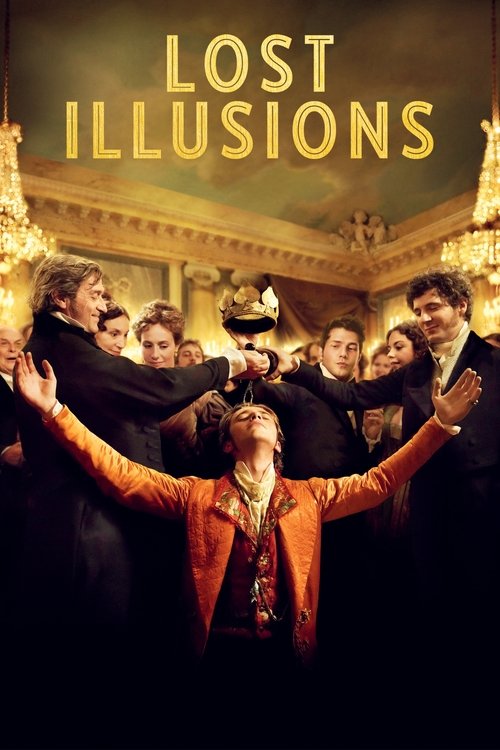
Lost Illusions is a sophisticated deconstruction of the romantic artist myth, focusing on the transactional nature of social mobility. It succeeds in critiquing systemic corruption and the predatory nature of capitalism within the publishing industry. However, the film remains tethered to the historical limitations of its period setting, lacking modern markers of diversity such as racial and LGBTQ+ visibility. Ultimately, the film's strength lies in its subversion of the 'great man' cliché, offering a cynical look at how institutional power shapes identity rather than relying on diverse character archetypes.
Category Breakdown
The film focuses on social climbing and romantic entanglements within a heterosexual context. It does not center on LGBTQ+ identities or queer-coded subtext as primary plot drivers.
Women are portrayed through their intellectual and social maneuvering within literary salons. However, they often operate within traditional era-specific constraints and social graces.
The cast and setting are predominantly homogeneous, reflecting the Eurocentric social hierarchies of 19th-century France. There is a lack of visible racial diversity.
The narrative offers a cynical critique of Western institutions and the media industry. It challenges romanticized ideals of meritocracy by framing fame as a corrupting force.
Characters are defined by social class and moral failings rather than physical or neurodivergent traits. There is no significant representation of disability in the narrative.
Present on Screen
Limited or Absent
Official Synopsis
Lucien de Rubempré, a young, lower-class poet, leaves his family's printing house for Paris. Soon, he learns the dark side of the arts business as he tries to stay true to his dreams.
2021

2019

2000

2018
2018
2000
2010

1996
No reviews yet. Be the first to share your thoughts on this movie!
Use the rating form above to leave a star rating and optional review.