Little Beau Porky
1936
No user ratings available yet
Diversity score: 1.5 out of 10
1944
NRDirector
Frank Tashlin
Runtime
8 minutes
Average Rating
No ratings yetSynopsis
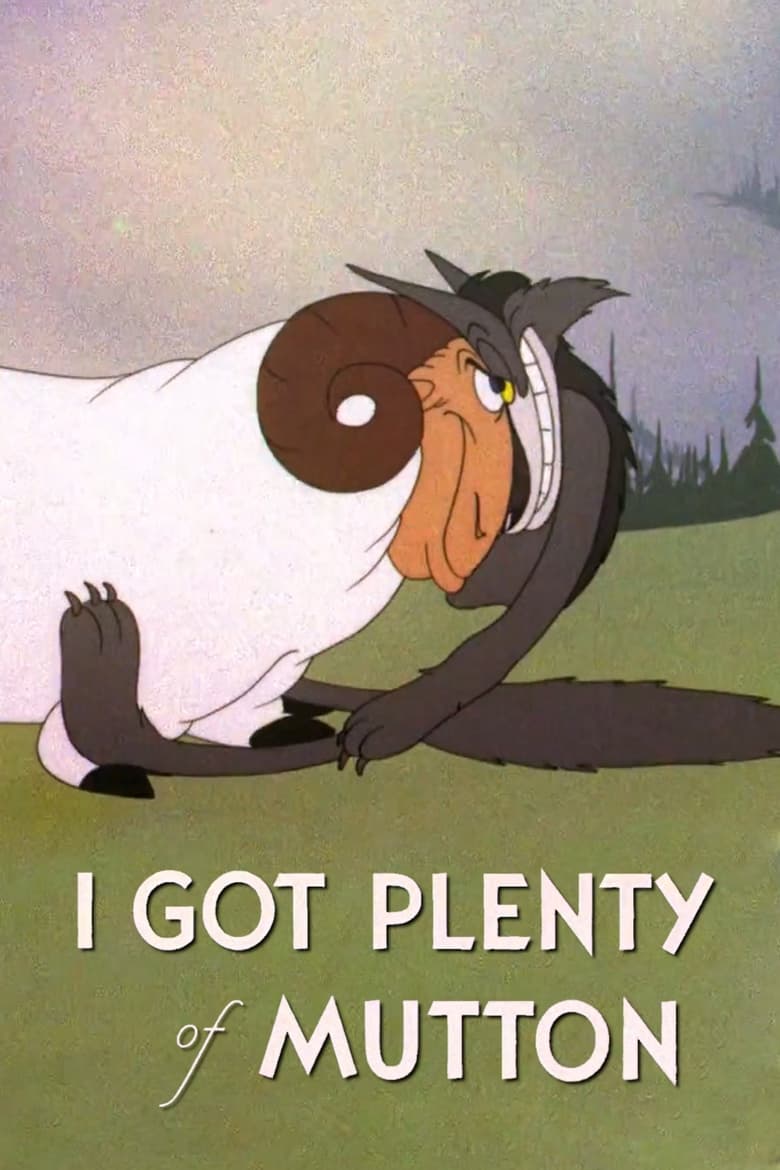
A wolf, deprived of meat by war rationing and starving, sees an article in the newspaper about a sheepdog leaving his flock to join the army and thinks it will be easy pickings. However, if he had read the rest of the article, he would know that the flock is now guarded by the ram Killer Diller, a most formidable foe.
Overall Score
Limited
Category Breakdown
LGBTQ+ Representation
The story centers on a predatory-prey conflict between a wolf and sheep. No non-cisnormative identities or same-sex intimacy are present.
Gender Representation
Anthropomorphic characters abstract social hierarchies, yet the film reinforces traditional masculine archetypes. The ram acts as a strong protector without subverting leadership tropes.
Racial & Ethnic Diversity
The cast consists entirely of animal archetypes. There is no use of diverse ethnic casting or intersectional character depth within this closed ecosystem.
Religious & Cultural Diversity
War rationing serves as a comedic catalyst for the plot. The film focuses on survival struggles rather than critiquing religious or capitalist structures.
Disability Representation
The characters operate within standard physical parameters. There are no depictions of neurodivergence, physical disabilities, or chronic illnesses.
Strengths
Areas for Improvement
AI Analysis
Frank Tashlin’s short is a technically proficient piece of mid-1940s animation that relies on rhythmic timing and slapstick. The narrative is driven by the external pressure of wartime scarcity, using meat rationing as a primary plot device for the wolf's hunger. While the film effectively utilizes the socioeconomic realities of its era, it remains a closed ecosystem of animal archetypes. It lacks intentionality regarding intersectional representation or the subversion of social hierarchies, adhering instead to conventional comedic tropes of the period.
1936
1945
1945
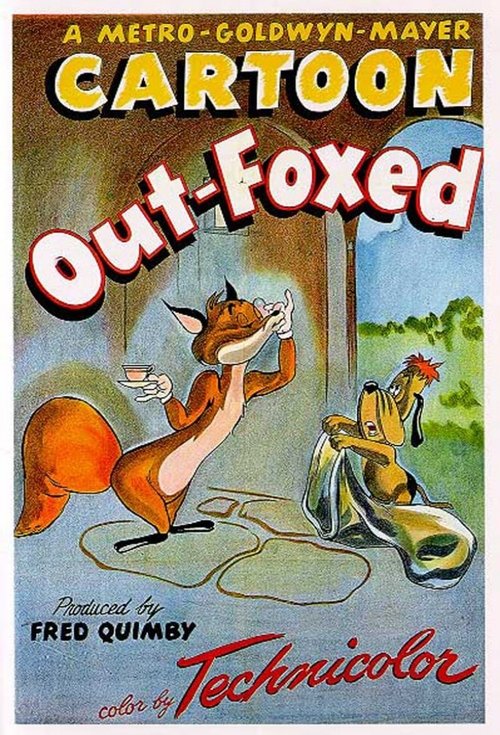
1949
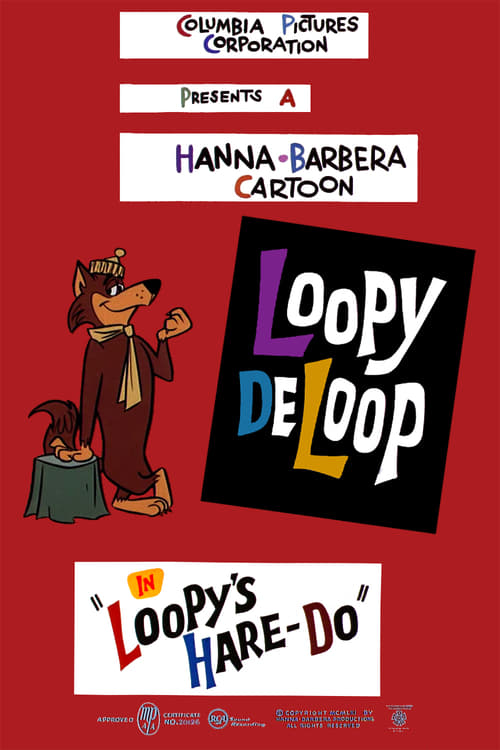
1961
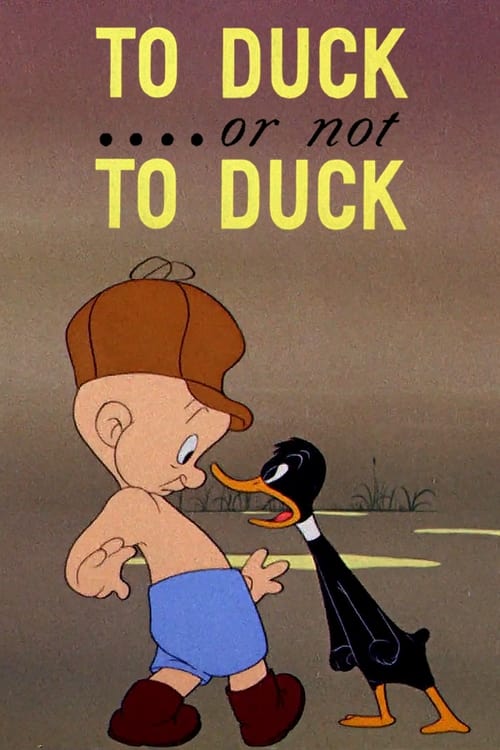
1943
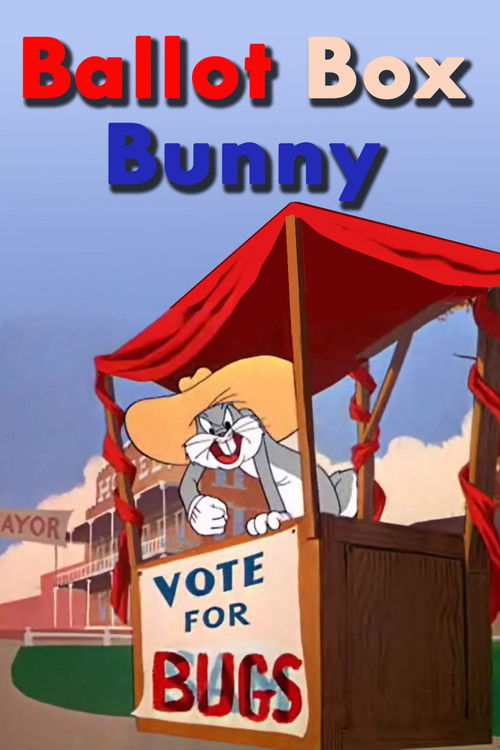
1951
1943
1943
1955
1942
1958
No reviews yet. Be the first to share your thoughts on this movie!
Use the rating form above to leave a star rating and optional review.