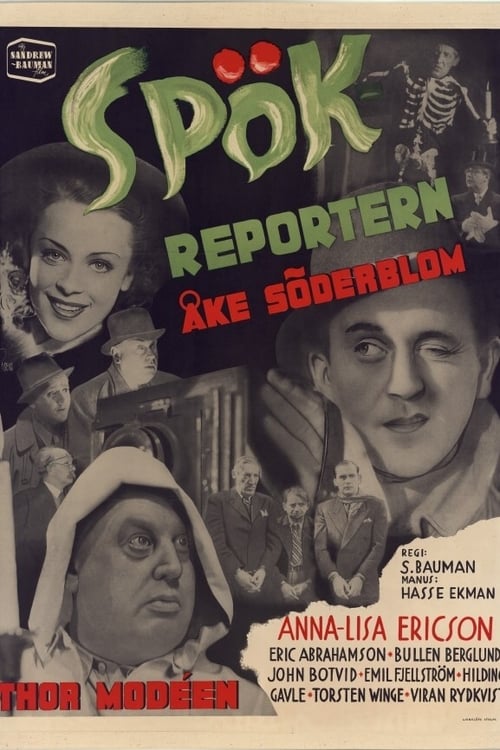
The Ghost Reporter
1941
No user ratings available yet
Representation score: 1.6 out of 10
Representation Score
Minimal
1946
BtlDirector
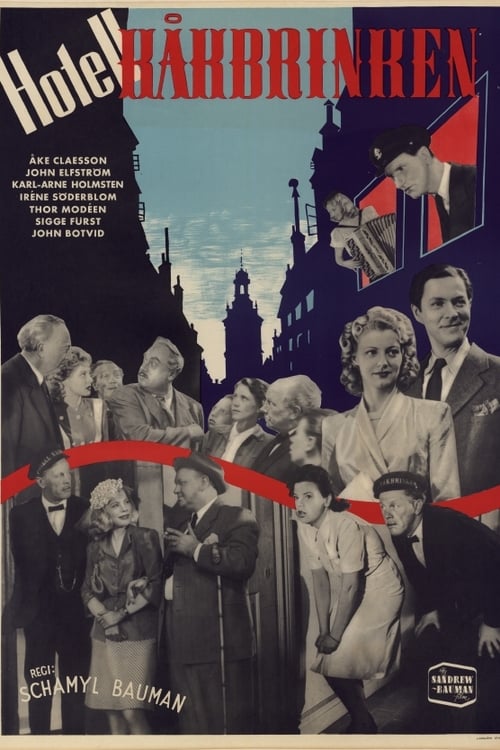
Schamyl Bauman
Runtime
95 minutes
Average Rating
No ratings yetNew Showbiz Analysis
Hotell Kåkbrinken is a period-specific comedy that prioritizes situational humor over social representation. The narrative focuses on a localized conflict between a hotel porter and a wholesaler, following a traditional 'preservation versus progress' formula. The film reflects the demographic and social constraints of 1946 Sweden, focusing on a homogeneous cast and a male-centric professional hierarchy. Ultimately, the work functions as a conventional character study of its era, lacking the identity-driven frameworks or diverse perspectives found in modern cinema.
Category Breakdown
The film does not include any LGBTQ+ characters or narratives, adhering strictly to the assumption that everyone is straight or cisgender.
The story centers around male protagonists, particularly the porter and the wholesaler, highlighting a male-dominated professional environment.
The setting implies a homogeneous cast typical of mid-century Sweden, with no indication of intentional racial diversity.
The story explores the tension between tradition and modernity, functioning as a localized situational comedy rather than a progressive critique of social institutions.
There is no evidence that disability or neurodivergence is a central theme or character trait within the film.
Present on Screen
Limited or Absent
Official Synopsis
Laban Lundström is the porter at Hotell Kåkbrinken. The hotel is threatened by wholesaler Sjökvist, who wants to pull down the house and build a new and modern house instead.
1941
1991
1938

2014

2016
1956
1940
1934
No reviews yet. Be the first to share your thoughts on this movie!
Use the rating form above to leave a star rating and optional review.