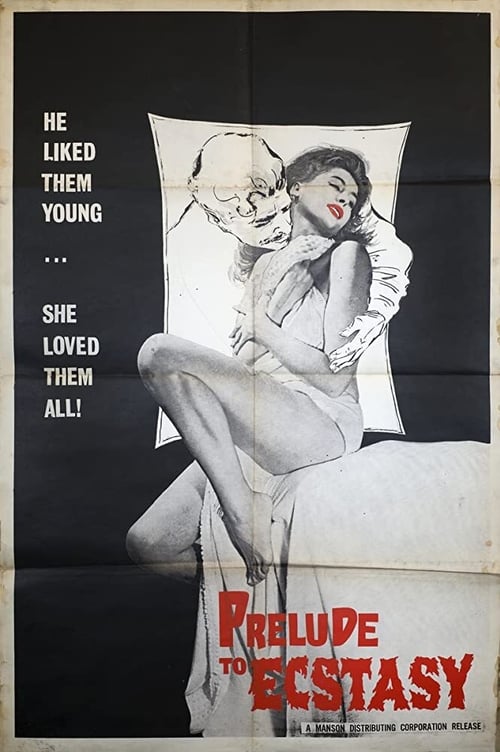
Preludes to Ecstasy
1961
No user ratings available yet
Representation score: 3.4 out of 10
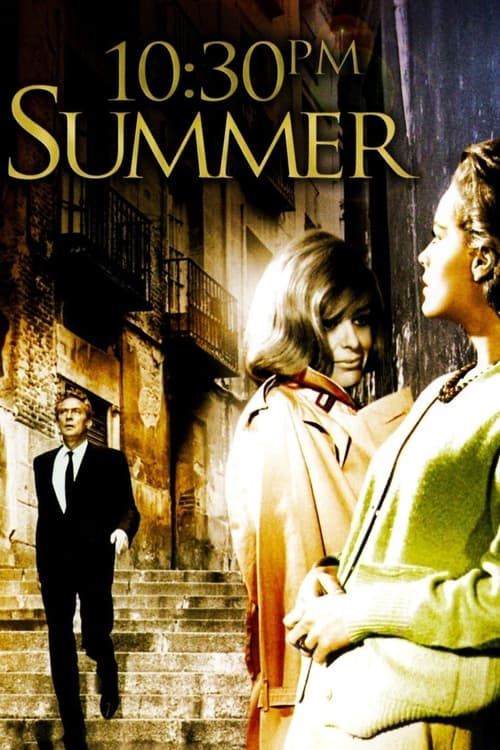
Representation Score
Limited
1966
NRDirector
Jules Dassin
Runtime
85 minutes
Average Rating
No ratings yetNew Showbiz Analysis
Jules Dassin's drama adheres to the traditional structures of mid-century romantic cinema. While the narrative moves beyond passive female clichés by giving the protagonist a leading role through seduction, it remains rooted in conventional domestic conflicts. The film lacks complexity in representing multiple aspects of identity, focusing instead on individual moral failings and the breakdown of a marriage. It reflects the era's standard casting and social perspectives, offering limited diverse representation. Ultimately, the work serves as a character study of human frailty rather than a progressive exploration of identity or social structures.
Category Breakdown
The film centers around heterosexual relationships and infidelity. There is no indication of non-binary gender identities or critiques of heteronormativity.
A female character uses her influence to disrupt a marriage through seduction. However, the portrayal of an alcoholic wife reinforces traditional stereotypes.
The casting likely reflects the homogeneity typical of 1960s Western dramas. There is no sign of a racially diverse or non-Anglo-Saxon majority cast.
The story examines marital problems and substance abuse to challenge the idealized family unit. It primarily focuses on individual moral failings.
The film does not include characters with physical, neurodivergent, or mental health disabilities who have significant roles.
Present on Screen
Limited or Absent
Official Synopsis
A female traveling companion seduces a married man and his alcoholic wife.
1961
1943
1966
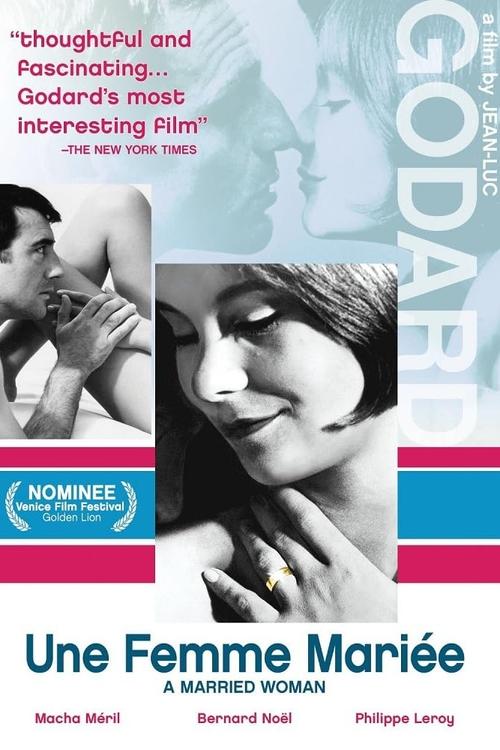
1964
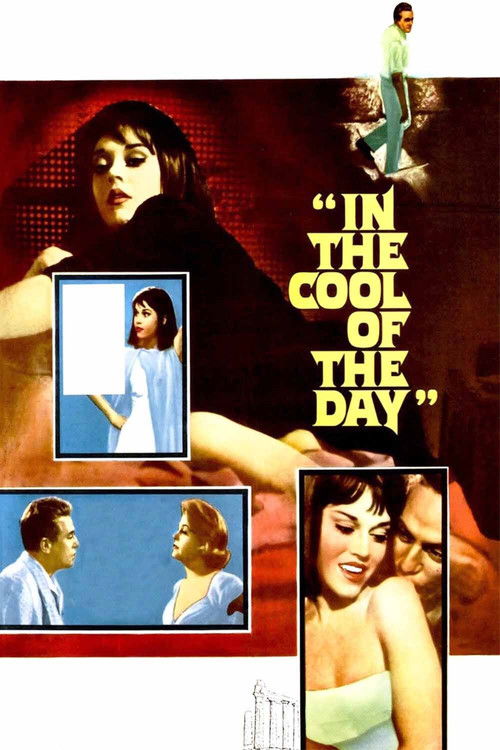
1963
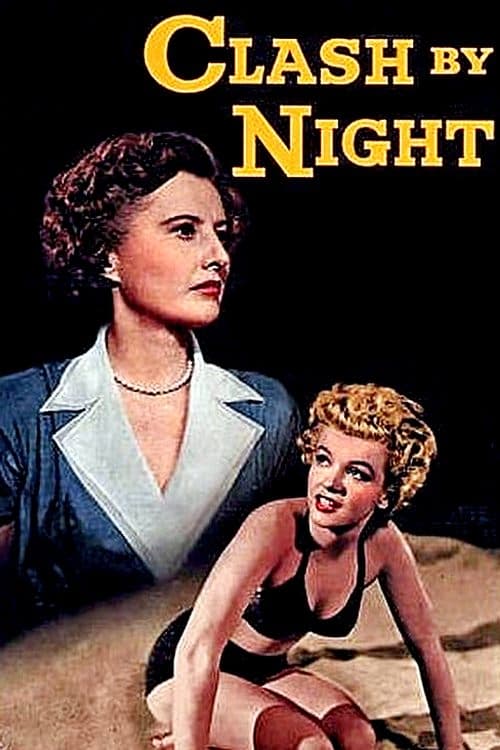
1952
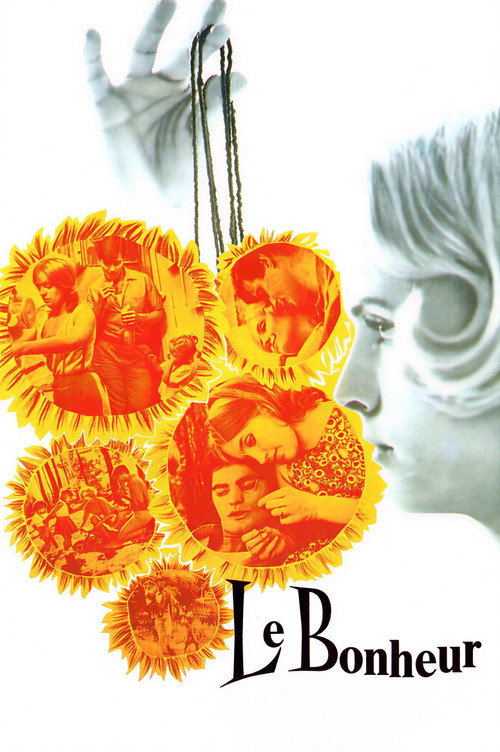
1965
1946
No reviews yet. Be the first to share your thoughts on this movie!
Use the rating form above to leave a star rating and optional review.