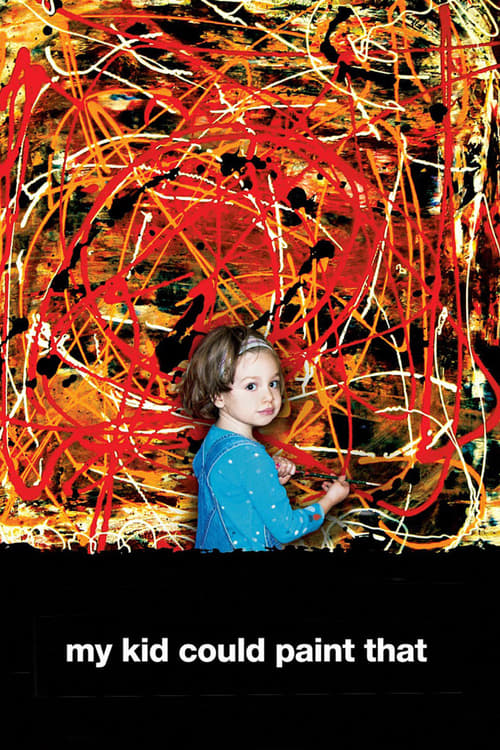
My Kid Could Paint That
2007
No user ratings available yet
Diversity score: 5.0 out of 10
2010
Director
David Sieveking
Runtime
96 minutes
Average Rating
No ratings yetSynopsis
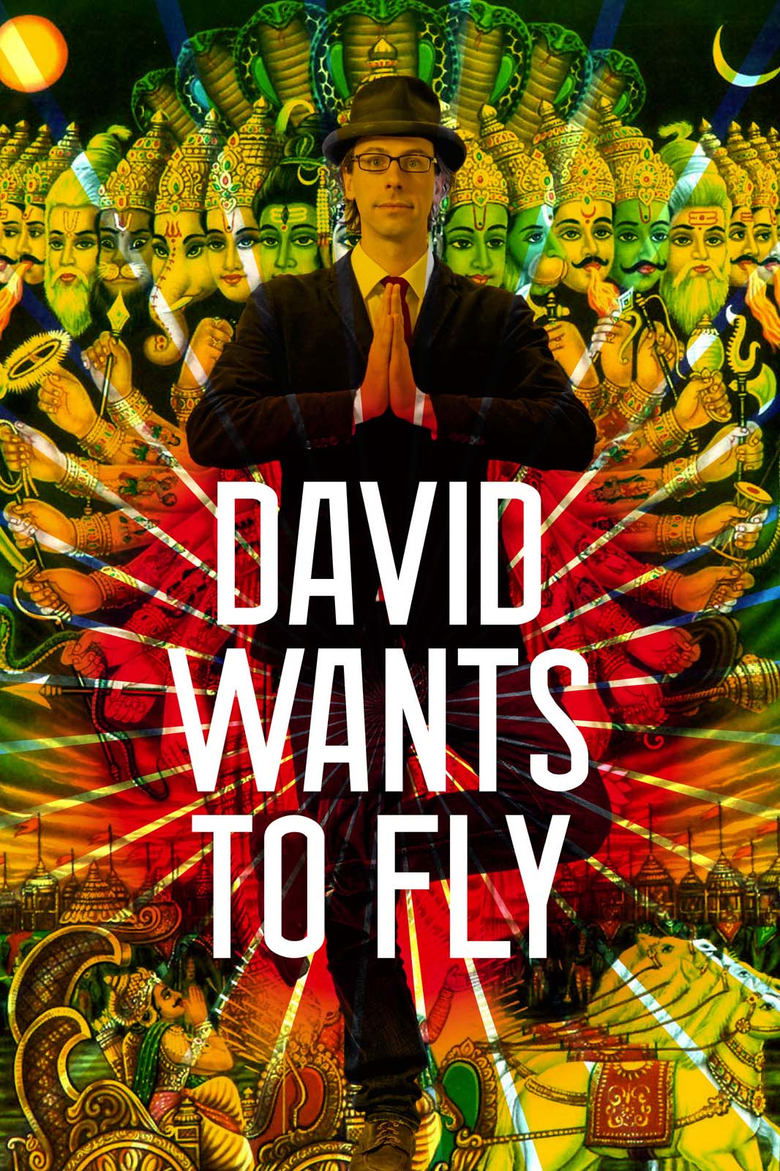
A documentary. David Sieveking takes the advice of his idol, David Lynch and tries out Maharishi Mahesh Yogi's transcendental meditation technique.
Overall Score
Fair
Category Breakdown
LGBTQ+ Representation
The film contains no explicit LGBTQ+ characters or themes. The narrative focuses on the protagonist's personal longing and social connections without queer-coded subtext.
Gender Representation
This character study centers on adolescent male identity. While it avoids traditional masculine dominance tropes by highlighting vulnerability, it remains focused on a singular male perspective.
Racial & Ethnic Diversity
The production presents a relatively homogeneous social environment. It lacks a focus on racial or ethnic pluralism, appearing as a localized British study.
Religious & Cultural Diversity
The film challenges secular-materialist norms by prioritizing spiritual exploration and transcendental meditation. It shifts the focus from external achievement to internal states of being.
Disability Representation
The film excels by centering a protagonist with cerebral palsy. It grants him significant agency, avoiding 'inspiration porn' by focusing on his lived experience and autonomy.
Strengths
Areas for Improvement
AI Analysis
David Wants to Fly is a nuanced character study that prioritizes the lived experience of physical disability. By focusing on the protagonist's psychological pursuit of autonomy, the film avoids the sentimentalism often found in medicalized narratives. However, the film's scope is quite narrow. It lacks breadth in terms of racial, gender, and LGBTQ+ intersectionality, functioning more as an individualistic study than a systemic critique. Ultimately, the documentary succeeds through its sophisticated portrayal of neurodivergence and disability, even while remaining a relatively homogeneous production in other social categories.
2007
2017

2009
2016

2020
2018
2014

1998

2003
2014
1976

1981
No reviews yet. Be the first to share your thoughts on this movie!
Use the rating form above to leave a star rating and optional review.