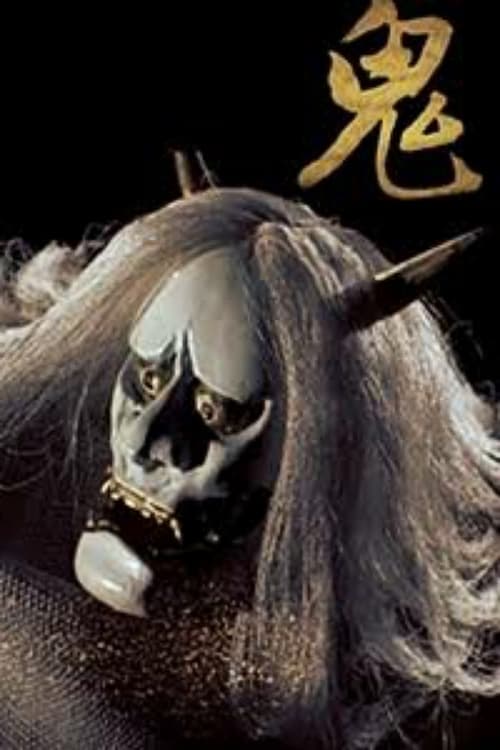
The Demon
1972
No user ratings available yet
Representation score: 1.8 out of 10
Representation Score
Limited
1994
Director
Takao Kato
Runtime
120 minutes
Average Rating
No ratings yetNew Showbiz Analysis
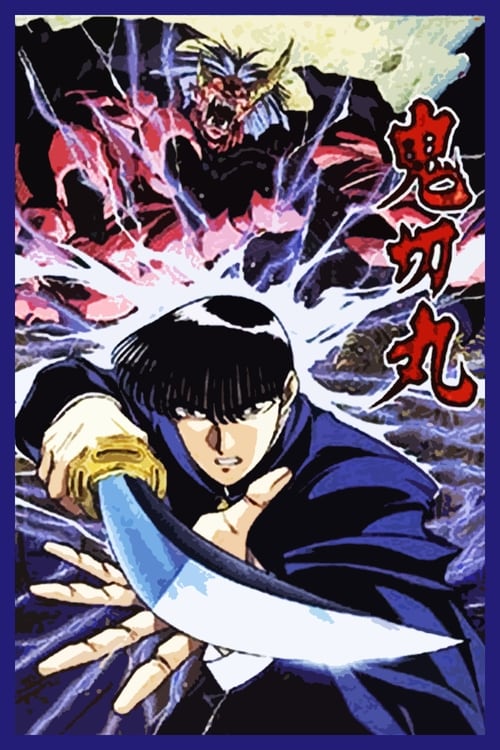
Ogre Slayer is a tragic myth that examines the tension between biological identity and the aspiration for social integration. The protagonist's journey to become human by eliminating his own kind offers a nuanced exploration of belonging. Though the film lacks characters who reflect more than one aspect of diversity or modern social frameworks, it steers clear of a straightforward hero narrative. The protagonist's dual identity as both an ogre and a human-like figure creates a compelling study of identity. Ultimately, the film relies on conventional genre formulas. It serves primarily as a character-driven exploration of ontological transformation rather than a focus on diverse social representation.
Category Breakdown
The film does not include any representation of LGBTQ+ identities or same-sex relationships. The story revolves around a mythical journey focusing on the conflict between different species.
The main character is male-coded, and while an ogre mother is mentioned, there is little evidence of female empowerment or challenging gender hierarchies.
Set in a Japanese mythological context, the film uses the protagonist's mixed heritage as a symbol for assimilation. It delves into the struggle to fit into a human society.
The story adheres to a traditional mythic structure. It presents a morally complex scenario where the hero's quest involves the systematic elimination of an entire species.
The film does not feature any characters with visible or invisible disabilities. The narrative does not address neurodivergence or chronic illnesses.
Present on Screen
Limited or Absent
Official Synopsis
There was once an ogre mother who gave birth to human looking child. Instead of an ogre's horn, this child was born with a sword in hand called the Onigirimaru (Ogre Slayer). He has no name and is only referred to by the name of his sword. Though he appears human, he is pure ogre. Believing that he will become human once all of his kind vanished from the world of humans, he sets out on his destiny to slay all of his kind. Even now, in the mother world of Japan, he is still out there slaying ogres.
1972
1988
2003
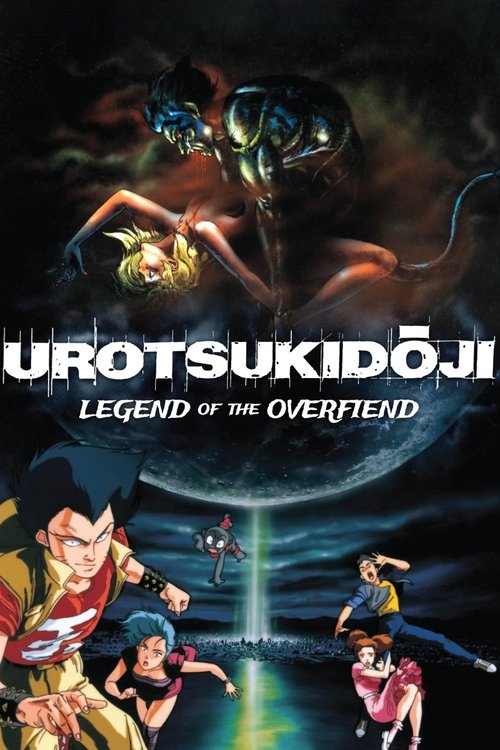
1989
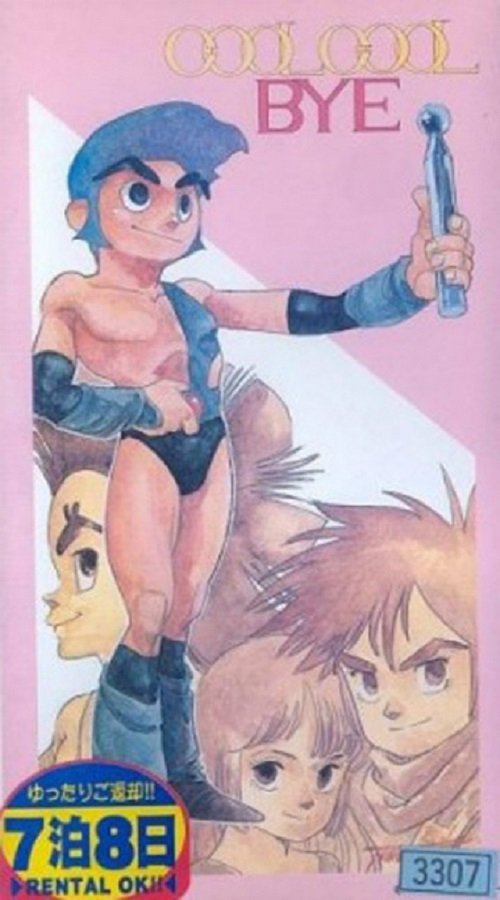
1986
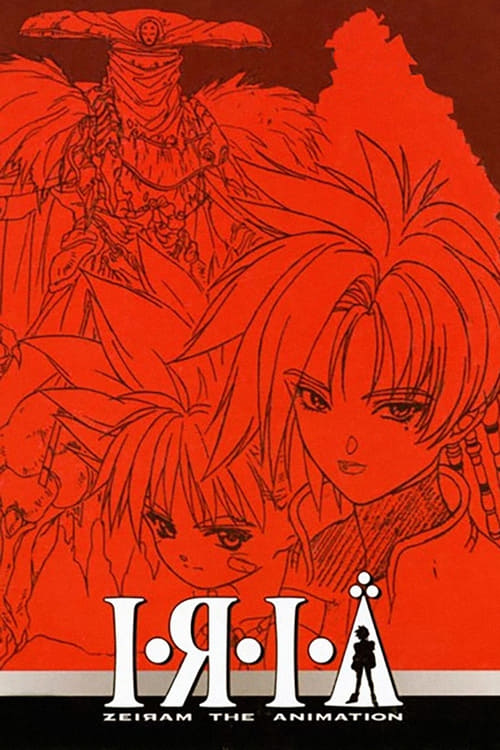
1994
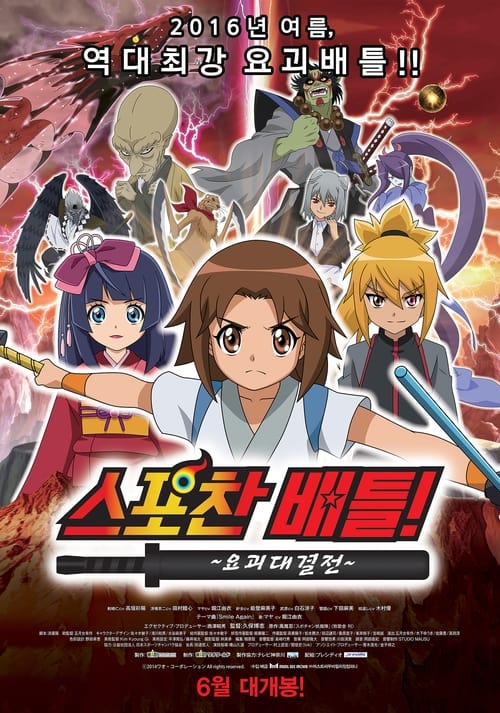
2014
1989
No reviews yet. Be the first to share your thoughts on this movie!
Use the rating form above to leave a star rating and optional review.