
My Steady Is a Witch
1986
No user ratings available yet
Representation score: 3.2 out of 10
Representation Score
Fair
2002
Director
Osamu Kobayashi
Runtime
11 minutes
Average Rating
No ratings yetNew Showbiz Analysis
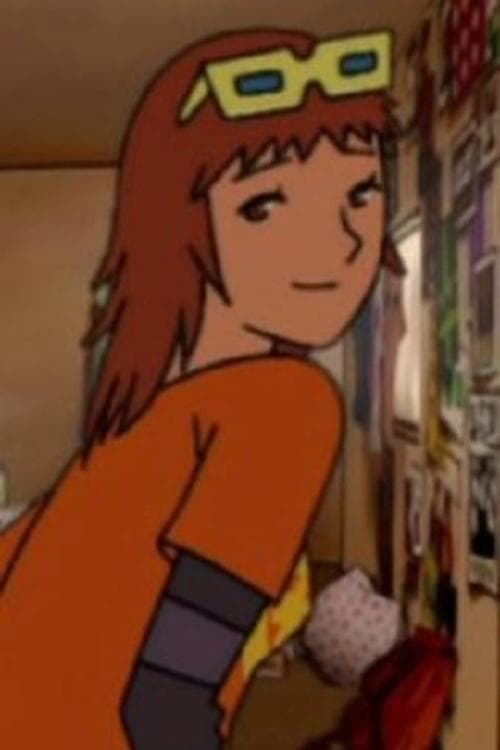
End of the World is a character-driven animation that prioritizes women's ability to drive the story and systemic critique. By focusing on a female-led journey, the film challenges conventional power structures and explores the complexities of identity through a speculative lens. The narrative uses science fiction to examine themes of belonging and rebellion. The protagonist's anti-authoritarian mission provides a framework for questioning established hierarchies and the nature of existence. While the film excels in subverting gender roles and exploring outsider perspectives, it lacks explicit detail regarding racial diversity or disability representation.
Category Breakdown
Kazumi and Yuko have a strong bond based on their shared sense of displacement. Though the film doesn't label their relationship explicitly, their deep connection hints at a queer intimacy formed through mutual isolation.
The story emphasizes women's ability to drive the story and autonomy. Yuko actively works to dismantle systemic power, shifting the narrative focus away from traditional male leadership.
The film uses extra-dimensional identities as metaphors for the outsider experience. This speculative approach explores themes of belonging and 'otherness' beyond traditional racial categories.
Yuko’s mission to eliminate a dimension's creator serves as a critique of centralized authority. The punk subculture setting underscores a rejection of mainstream societal norms.
There is no information available regarding the portrayal of physical or neurodivergent disabilities in this work.
Present on Screen
Limited or Absent
Official Synopsis
Kazumi is at a punk concert and bumps into Yuko. Yuko is a girl from another dimension. Kazumi invites Yuko over to her apartment. There Yuko's robotic sidekick and stead Face comes from out of the t.v. The wall opens up and Yuko and Face enter into different dimension. Yuko seeks to kill the creator of the dimension to end the suffering of it's people. Yuko meets Kazumi, who claims not to be from Earth, at a rock concert, and they become instant friends. Yuko invites her new friend to come live with her. However, onces Kazumi gets to Yuko's apartment, she leaves through the wall with her trusty cybernetic steed and into another dimension to face evil.
1986
1989

2009

2006
1994
2006
2005

2007
No reviews yet. Be the first to share your thoughts on this movie!
Use the rating form above to leave a star rating and optional review.