The Skull
1965
No user ratings available yet
Representation score: 2.5 out of 10
Representation Score
Limited
1961
ApprovedDirector
Julian Roffman
Runtime
83 minutes
Average Rating
No ratings yetNew Showbiz Analysis
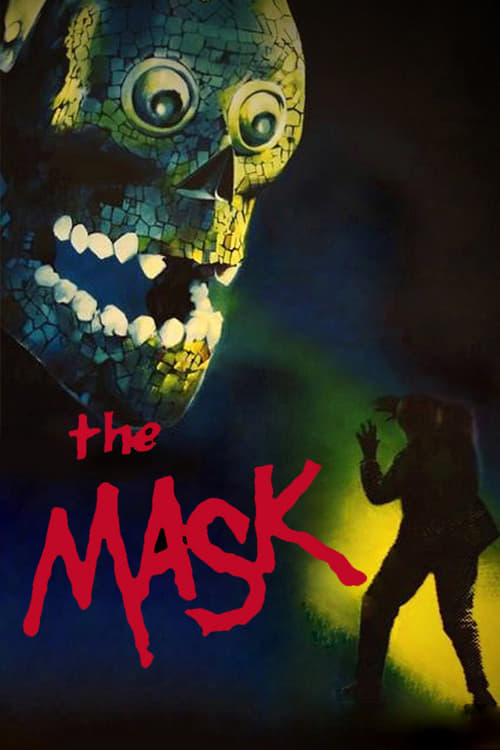
The Mask is a surrealist horror film that emphasizes psychological fragmentation over social commentary. Its narrative structure relies heavily on the clichés of its 1961 era, focusing on individual madness and traditional power dynamics. While the film's experimental style offers a departure from mainstream moralism, it does not engage deeply with systemic identity or multi-layered issues. Non-Western iconography is used superficially, serving the plot's supernatural elements rather than cultural depth. Ultimately, the film functions as a character study of instability. It lacks the subversion of patriarchal or institutional structures necessary to move beyond the standard horror frameworks of its time.
Category Breakdown
The film focuses on a relationship between a psychiatrist and his girlfriend, which fits a heterosexual norm. There are no LGBTQ+ subtexts or non-cisgender identities explored.
Traditional gender roles are prominent, with the female lead mainly serving as a catalyst for the male protagonist's psychological issues or as a victim of his hallucinations.
An Aztec mask is a key plot element but is used more as a horror tool than for cultural exploration. The cast is predominantly Anglo-Saxon.
The film examines a psychiatrist's descent into madness but does not critique broader Western institutions or explore anti-capitalist themes.
Mental health is portrayed through outdated clichés where instability leads to violence. Psychological decline drives the horror without exploring neurodivergence.
Present on Screen
Limited or Absent
Official Synopsis
A young archaeologist believes he is cursed by a mask that causes him to have weird nightmares and possibly to murder. Before committing suicide, he mails the mask to his psychiatrist, Dr. Barnes, who is soon plunged into the nightmare world of the mask.
1965
1970
1978

1964
1971

1978
1982
1943
No reviews yet. Be the first to share your thoughts on this movie!
Use the rating form above to leave a star rating and optional review.