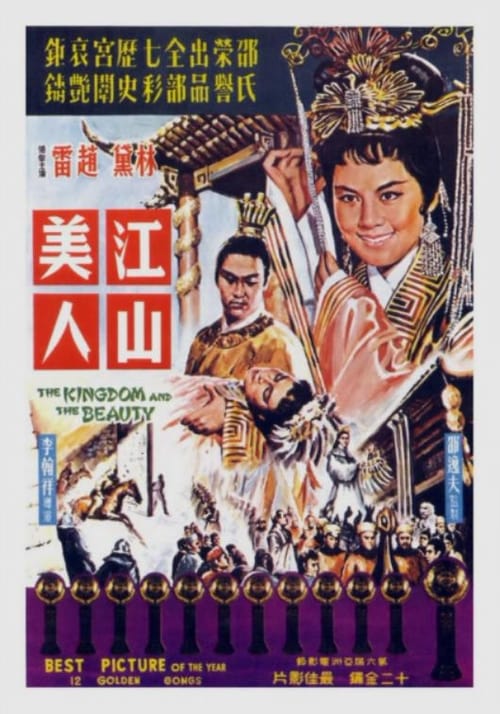
The Kingdom and the Beauty
1959
No user ratings available yet
Representation score: 1.0 out of 10
No Poster Available
Representation Score
Minimal
1951
Director
Wang Yin
Average Rating
No ratings yetNew Showbiz Analysis
The film operates within the traditional framework of 1950s martial arts cinema. It adheres to established genre clichés of heroism and lineage rather than offering progressive social deconstruction. Due to the lack of detailed plot and character descriptions, the film cannot demonstrate multi-layered ability to act. The production reflects the cultural and ethnic homogeneity typical of its era. Ultimately, the work functions as a baseline example of its genre, prioritizing traditional mastery and physical prowess over diverse or subversive storytelling.
Category Breakdown
The film does not include any characters with non-straight sexual orientations or gender identities. There are no narratives that question the assumption that everyone is straight or cisgender.
While the film includes strong female combatants, it is unclear whether these roles challenge traditional gender hierarchies or simply follow the conventions of 1950s action films.
The cast is ethnically uniform, reflecting the mid-century Chinese cinematic context. There is no indication of intentional multi-layered casting or disruption of Anglo-centric norms.
The narrative likely centers on traditional values and Confucian-aligned social structures. It lacks evidence of anti-institutional or secularist themes.
There is no information regarding the portrayal of physical disabilities or neurodivergence.
Present on Screen
Limited or Absent
Official Synopsis
No known plot
1959
1983
1979
1958
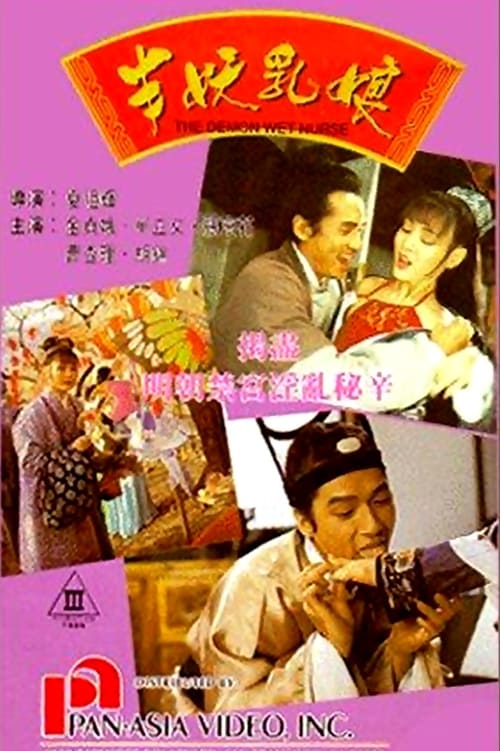
1992
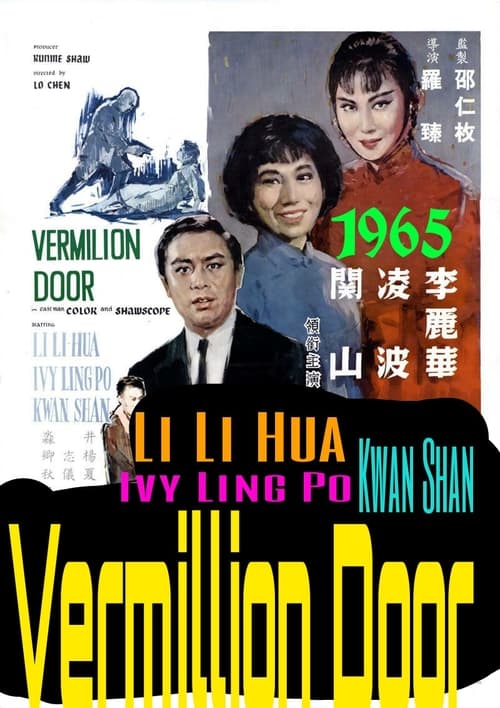
1965

1894
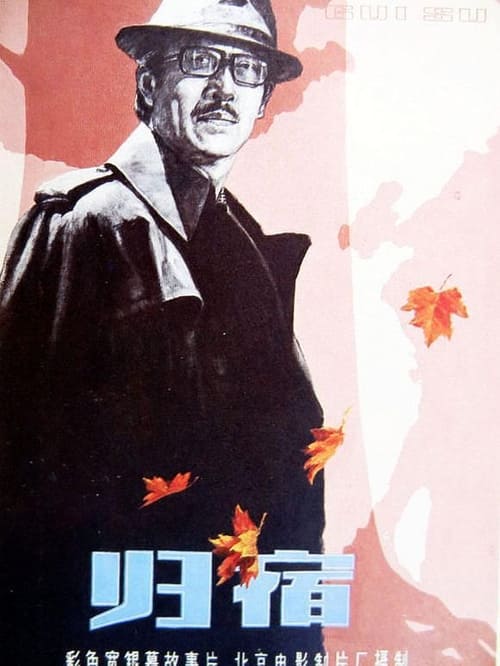
1981
No reviews yet. Be the first to share your thoughts on this movie!
Use the rating form above to leave a star rating and optional review.