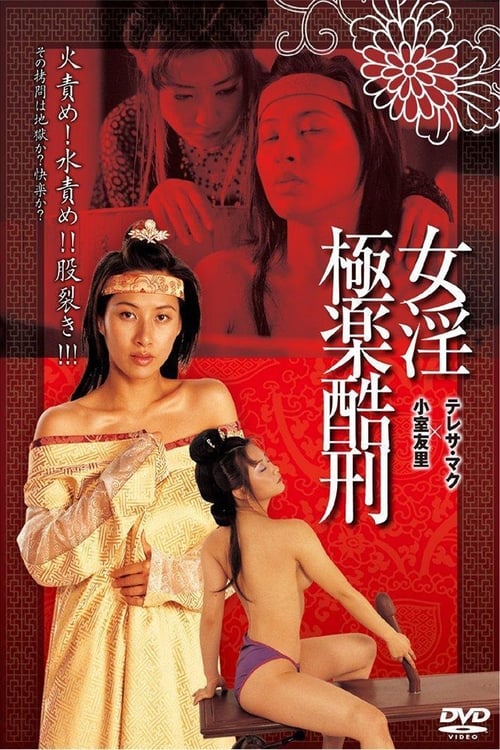
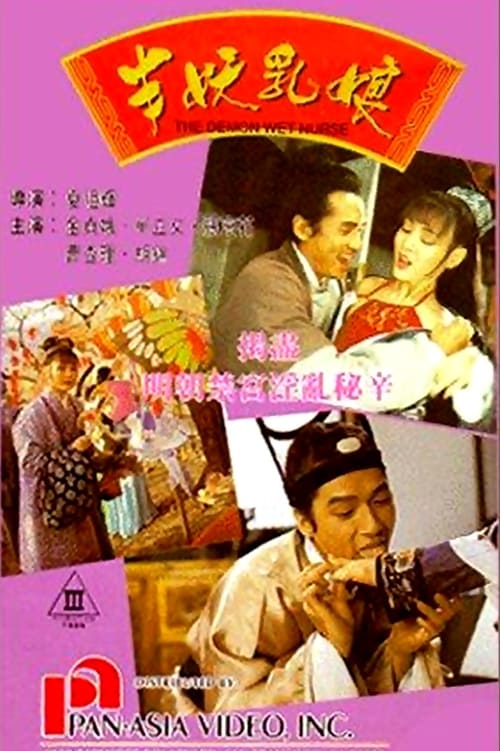
Tortured Sex Goddess of Ming Dynasty
2003
No user ratings available yet
Representation score: 4.5 out of 10
Representation Score
Fair
1992
Director
Hsia Tsu-hui
Runtime
95 minutes
Average Rating
No ratings yetNew Showbiz Analysis
The film functions as a transgressive period drama that critiques institutional corruption through moral ambiguity. It avoids didactic storytelling by presenting characters who operate in ethical gray areas rather than adhering to traditional Confucian morality. While the narrative provides a non-Western perspective and centers on women's ability to drive the story, it remains constrained by the patriarchal structures of the imperial setting. The lack of explicit identity-based representation limits its modern diversity reach. Ultimately, the work succeeds in deconstructing idealized social structures, even as it struggles with narrative cohesion and plot holes.
Category Breakdown
The film does not explicitly depict LGBTQ+ identities or non-straight relationships. A eunuch in training is part of the palace staff, but the story focuses on traditional relationships and power dynamics.
Ru Yee serves as a strong female lead, navigating dangerous imperial power structures. However, she remains subject to the violent machinations of male characters within a patriarchal system.
Set in an imperial Chinese context, the film offers a culturally specific perspective. It avoids Western-centric storytelling by focusing on internal social strata and historical settings.
The narrative avoids idealized morality, instead highlighting systemic corruption and institutional dysfunction. The destruction of the family unit challenges traditional, virtuous portrayals of the domestic sphere.
There is no specific evidence regarding the portrayal of physical or neurodivergent disabilities. A sick husband is mentioned, but his illness appears to be a plot device.
Present on Screen
Limited or Absent
Official Synopsis
This Category III period drama featuring power struggles and naughty things within the imperial palace walls definitely has effort put forth but immense chunks of plot holes are nowhere near filled up. Much seem missing in the story of poor Ru Yee who applies to be the nurse maid of the Emperor’s son. She gets help to gain access by Wei (Tan Lap-Man) and soon they are both heavily involved inside the palace. She as the nurse maid and he as a eunuch in training. Wei also finds time to murder Ru Yee’s sick husband and child… a fact barely mentioned after it’s happened.
2003
2013
1986
2006
1993

1986

1996
1994
No reviews yet. Be the first to share your thoughts on this movie!
Use the rating form above to leave a star rating and optional review.