
Gypsy
2011
No user ratings available yet
Representation score: 5.3 out of 10
Representation Score
Good
2014
Director
Petr Václav
Runtime
103 minutes
Average Rating
No ratings yetNew Showbiz Analysis
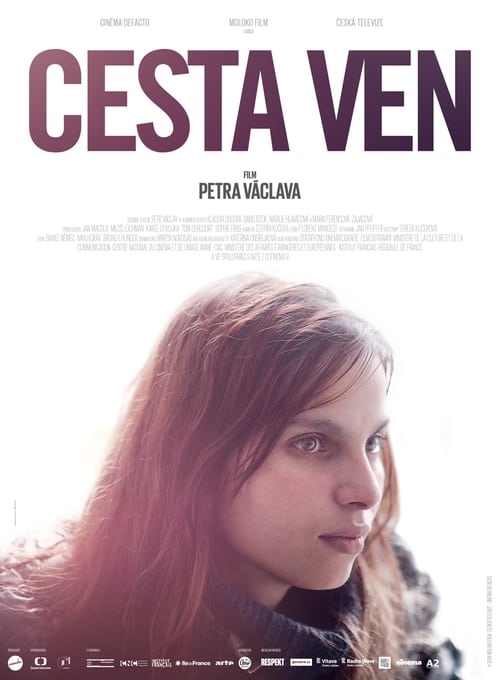
The Way Out is a work of social realism that centers on the Romani experience to critique systemic barriers. It avoids sanitized depictions of minority life, focusing instead on the 'social trap' of racism and exclusion. The film's strength lies in its character dynamics, particularly the contrast between David's criminal impulses and Zaneta's resilient ability to act. This elevates the film from a standard crime drama to a complex study of identity and survival. While the film excels in ethnic and cultural depth, it lacks representation for LGBTQ+ identities and disability, resulting in a specialized but narrow demographic focus.
Category Breakdown
The film focuses on a traditional Romani family unit. There are no visible queer themes or non-straight identities in the narrative.
Zaneta subverts passive female roles by providing the story's moral strength and inner resilience. This contrasts with David, who follows destructive, traditional masculine paths.
The narrative centers the Romani experience, using it to critique systemic racism and social exclusion. It provides a nuanced look at the community's struggles.
The story explores the tension between traditional ethnic values and modern societal pressures. It portrays Western institutions as sources of exclusion and oppression.
The provided material contains no information regarding characters navigating physical or mental health disabilities.
Present on Screen
Limited or Absent
Official Synopsis
The Way Out tells a story of a young Romani couple, Zaneta and David, the parents of little Janicka. Their efforts to live a decent and dignified life run up against the "Romani social trap," which is racism, the society's prejudices, exclusion from opportunities to obtain legal work, the lack of necessary qualifications, difficult communication with officials, debts and the miserable life conditions connected with the environment, lifestyle and traditional values of their ethnicity. David wants to protect his family, even at the expense of committing a crime. But Zaneta finds inner strength to defy the unfavorable situation in a different way. Will they overcome the existential problems that start to take apart their relationship? Is it worthwhile for them to continue to Honor their own values and family traditions? And will their "way out" be only another "escape" for them, or a promise to change their lives?
2011
2017
2022
1994
2016
1996
2023
2015
No reviews yet. Be the first to share your thoughts on this movie!
Use the rating form above to leave a star rating and optional review.