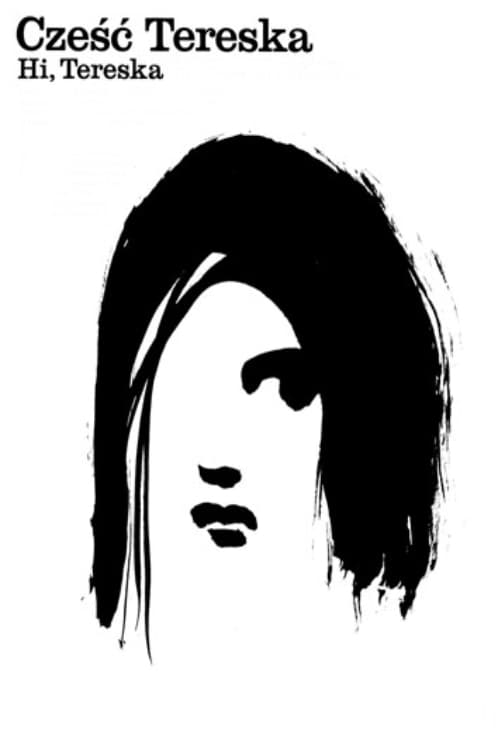
Hi, Tereska
2001
No user ratings available yet
Representation score: 4.8 out of 10

Representation Score
Fair
2011
Director
Martin Šulík
Runtime
100 minutes
Average Rating
No ratings yetNew Showbiz Analysis
Martin Šulík’s drama is a compelling exploration of ethnic identity and social stratification. By putting a Romany protagonist at the center, the film goes beyond the 'outsider' stereotype to show the real-life struggles of a underrepresented community with great empathy. The film's strength lies in its authentic portrayal of the Romany experience and its ability to highlight individual hardships as part of a larger oppressive system. However, the film remains limited in its scope regarding other forms of diversity. It sticks to traditional gender roles and lacks representation for LGBTQ+ identities or characters with disabilities.
Category Breakdown
The film doesn't include explicit LGBTQ+ identities or relationships that challenge traditional norms. Relationships are shown through typical family and friendship dynamics without any hidden LGBTQ references.
The story focuses mainly on male experiences, especially rites of passage and physical challenges. While Julka provides emotional support, the roles remain traditional.
The film excels by highlighting the Romany experience as the main focus. It avoids including characters just to meet diversity quotas and instead gives authentic voices to those facing systemic discrimination.
The story offers a detailed look at the conflicts between underrepresented communities and traditional institutions. It examines the impact of social and economic systems on these groups.
There is no significant depiction of physical or neurological disabilities in the film.
Present on Screen
Limited or Absent
Official Synopsis
For 14-year-old Adam, the world of his poor Romany village has only two joys: boxing and Julka, a friend his same age. But after the violent death of his father, the boy experiences life’s harsher side: his mother remarries and his stepfather demands obedience without seeking to deserve Adam’s respect. Gradually everything the boy was attached to starts to fall apart around him, and if his dead father hadn’t visited him he wouldn’t even know which path to take. The inexperience of youth, loneliness, and impulsiveness prevent him from using reason and cool consideration to face the obstacles in his way, and he even sometimes provokes those who stand by him. And thus he finds himself in a situation for which there is only one solution.
2001
2017
1996
2015
2001
2000
2014

2003
No reviews yet. Be the first to share your thoughts on this movie!
Use the rating form above to leave a star rating and optional review.