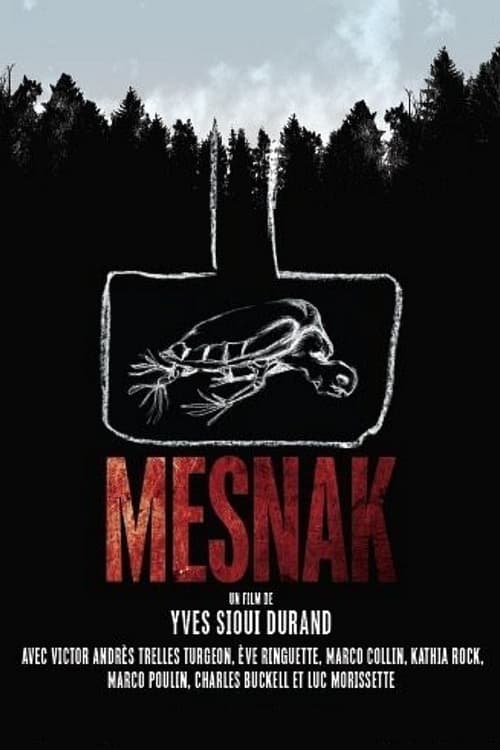
Mesnak
2011
No user ratings available yet
Representation score: 6.4 out of 10
Representation Score
Good
2016
Director
Chloé Leriche
Runtime
98 minutes
Average Rating
No ratings yetNew Showbiz Analysis
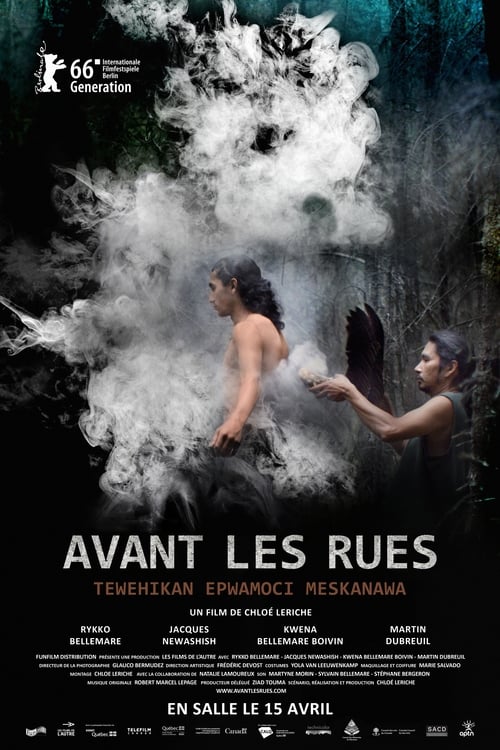
Before the Streets is a significant piece of storytelling that centers Indigenous identity and cultural conflict. It goes beyond simple inclusion by framing the protagonist's actions as symptoms of systemic cultural dislocation rather than mere criminality. The film's strength lies in its ability to challenge Western moral hierarchies. By prioritizing a connection to ancestors over compliance with state authority, it offers a sophisticated look at identity-driven survival. However, the film's narrow focus on the protagonist's specific cultural struggle results in a lack of representation for LGBTQ+ identities and disabilities.
Category Breakdown
The film does not explicitly depict LGBTQ+ identities or same-sex relationships. The story focuses on the protagonist's relationship with his mother and her partner.
The story centers on a male protagonist but avoids traditional masculine clichés by showing Shawnouk as a vulnerable and emotionally troubled individual. The mother plays a key role in the domestic setting.
The film intentionally highlights the Atikamekw people and the Manawan reservation. It uses ancestral music and the forest to explore cultural continuity and resistance against assimilation.
The narrative critiques Western institutional influence by presenting a policeman as a source of tension. It emphasizes Indigenous knowledge and spiritual reconnection over Western legal frameworks.
There is no specific depiction of physical or neurodivergent disabilities in the film.
Present on Screen
Limited or Absent
Official Synopsis
Menacing smoke rises over the forests of Manawan. Shawnouk has lost touch with the traditions of the Atikamekw people, and he struggles with daily life on the reservation. His mother's boyfriend is a policeman, and though he means well, Shawnouk won't accept him as part of the family. There's so much missing in his life. One night, Shawnouk gets involved in a break-in. When the home-owner turns up, Shawnouk pushes himself between the man and the gun. In the end, he is the one with blood on his hands. He goes into hiding in the vast forests of Québec. In the search for his roots, he faces regret, pain and anger. Fire and smoke, the ancient trees, and the music of his ancestors help Shawnouk to face his biggest challenge: the confrontation with himself.
2011
2015

2021
2017
2023
2019
2013
1998
No reviews yet. Be the first to share your thoughts on this movie!
Use the rating form above to leave a star rating and optional review.