
When Time Ran Out...
1980
No user ratings available yet
Representation score: 2.9 out of 10
Representation Score
Minimal
1969
GDirector
Bernard L. Kowalski
Runtime
131 minutes
Average Rating
No ratings yetNew Showbiz Analysis
Krakatoa, East of Java is a survivalist spectacle that emphasizes environmental disaster over sociological depth. While the Indonesian setting offers a diverse visual backdrop, the film upholds mid-century cinematic hierarchies rather than challenging them. The narrative structure is driven by a male-dominated ensemble, leaving little room for women's ability to drive the story or diverse identity-driven arcs. The inclusion of local performers adds aesthetic variety but does not provide them with independent character development or structural power. Ultimately, the film functions as a traditionalist adventure, utilizing its setting to ground the story but remaining firmly rooted in Western clichés of leadership and social order.
Category Breakdown
The film does not include any LGBTQ+ characters or romantic subplots. The storyline focuses solely on the survival of the shipwrecked crew, leaving no room for queer themes.
Narrative ability to act is almost entirely centered around a male ensemble. Female characters follow conventional gender roles of the era, lacking the intellectual or physical strength to challenge established gender norms.
The cast features both Western actors and local Asian performers to represent the setting. However, ability to act remains tied to Western protagonists, with local populations serving mainly as part of the background.
The film operates within a typical Western adventure framework. It lacks critical examination and presents a traditional view of social order rather than deconstructing colonial or capitalist structures.
There are no prominent depictions of visible or invisible disabilities. Characters are defined by their physical ability to survive the volcanic eruption, excluding explorations of neurodivergence or chronic illness.
Present on Screen
Limited or Absent
Official Synopsis
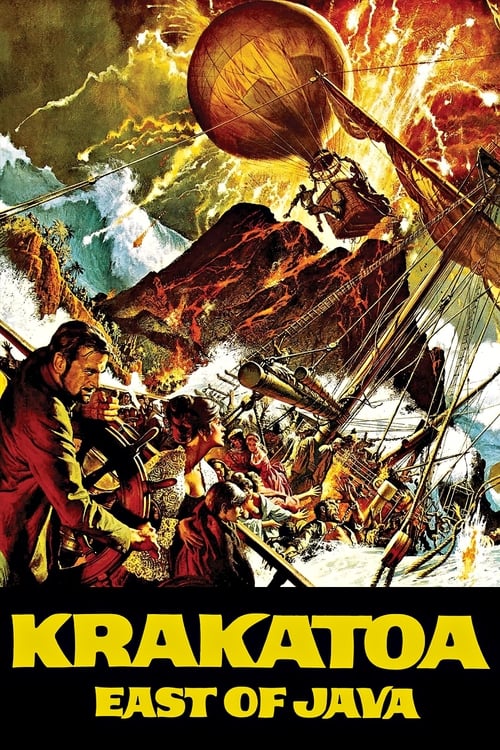
A team of maritime salvage workers are about to embark on a recovery dive. However the 1883 Krakatoa Volcano eruption provides more pressing problems.
1980

1997

1977
1997

1980

2002

1983
2006
No reviews yet. Be the first to share your thoughts on this movie!
Use the rating form above to leave a star rating and optional review.