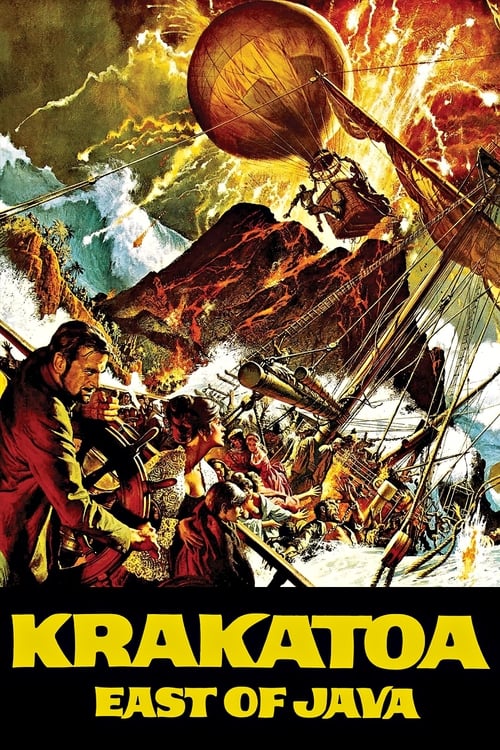
Krakatoa, East of Java
1969
No user ratings available yet
Representation score: 1.1 out of 10

Representation Score
Limited
1980
PGDirector
James Goldstone
Runtime
121 minutes
Average Rating
No ratings yetNew Showbiz Analysis
James Goldstone’s adventure film adheres strictly to the commercial and social norms of 1980s cinema. The narrative structure focuses on professional competency and institutional stability, rather than identity or systemic issues. The film relies on conventional formulas where masculine leadership drives the plot. This approach prioritizes survival and technical problem-solving over diverse social perspectives or post-colonial dynamics.
Category Breakdown
The film does not include any visible LGBTQ+ characters or non-binary identities. It operates within a traditional framework that assumes everyone is straight and cisgender.
Male characters hold decision-making authority and technical expertise. Female roles are mostly secondary or supportive, reinforcing traditional gender hierarchies.
The cast is primarily white and male, reflecting the demographic homogeneity of period disaster films. The South Pacific setting serves as a backdrop without exploring racial dynamics.
The narrative emphasizes institutional responses, such as scientific and military authority, to manage the crisis. It lacks a critique of Western institutions, presenting them as stabilizing forces.
There is no meaningful portrayal of physical or neurodivergent disabilities. Characters are defined by their professional roles rather than lived experiences of disability.
Present on Screen
Limited or Absent
Official Synopsis
An active volcano threatens a south Pacific island resort and its guests as a power struggle ensues between the property's developer and a drilling foreman.
1969
1974
2002

1997

1977
1997
1983

2019
No reviews yet. Be the first to share your thoughts on this movie!
Use the rating form above to leave a star rating and optional review.