Volcano
1997
No user ratings available yet
Representation score: 1.5 out of 10
Representation Score
Minimal
1997
PG-13Director
Roger Donaldson
Runtime
108 minutes
Average Rating
No ratings yetNew Showbiz Analysis
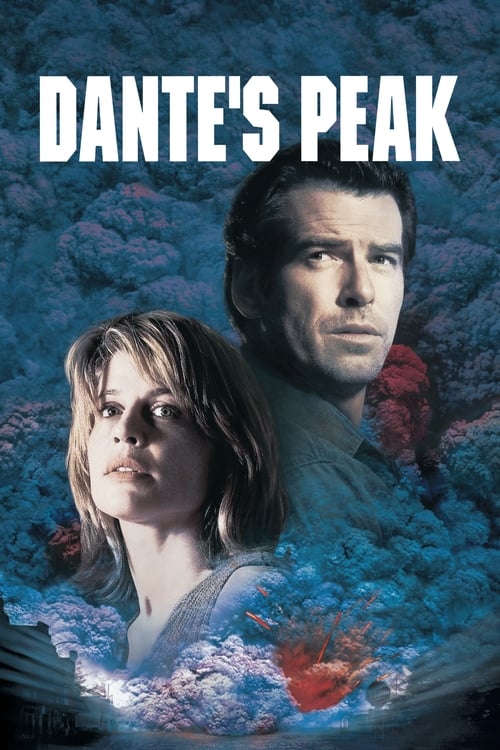
Dante's Peak functions as a typical 1990s disaster thriller, emphasizing survival mechanics over diverse representation. The narrative leans on conventional clichés, focusing on the interplay between scientific knowledge and local economic priorities. While the film provides a strong role for its female lead, it does not challenge traditional masculine leadership or racial hierarchies. The demographic composition remains consistent with the time period, offering a localized critique of institutional interests.
Category Breakdown
The film does not feature any visible LGBTQ+ characters or non-cisgender identities.
Rachel Wando is portrayed as a strong, independent business owner who plays a significant role in driving the story. However, the narrative still centers on Harry Dalton’s authority.
The cast is mainly white and Anglo-Saxon, reflecting the demographic makeup of the Oregon setting. There is a lack of significant minority representation in key roles.
The story highlights the tension between scientific truth and economic interests, framing the conflict around tourism and public safety.
The film does not depict any characters with visible or invisible disabilities, focusing instead on their physical abilities during the volcanic eruption.
Present on Screen
Limited or Absent
Official Synopsis
Volcanologist Harry Dalton comes to the sleepy town of Dante's Peak to investigate the recent rumblings of the dormant volcano the burg is named for. Before long, his worst fears are realized when a massive eruption hits, and immediately, Harry, the mayor and the townspeople find themselves fighting for their lives amid a catastrophic nightmare.
1997
1972
2006
1974
2000

1990
1974
2000
No reviews yet. Be the first to share your thoughts on this movie!
Use the rating form above to leave a star rating and optional review.