
Pompeii: The Last Day
2003
No user ratings available yet
Representation score: 1.1 out of 10
Representation Score
Minimal
2006
Director
Sam Miller
Runtime
87 minutes
Average Rating
No ratings yetNew Showbiz Analysis
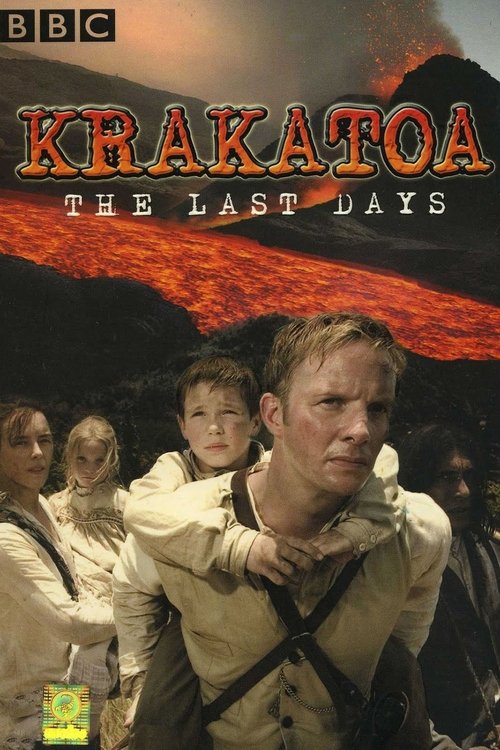
Krakatoa: The Last Days primarily serves as a historical reconstruction of the 1883 eruption. The narrative is centered around the disaster and historical accuracy rather than challenging social or cultural norms. While the Indonesian setting introduces ethnic diversity, the film does not provide evidence of characters reflecting multiple aspects of identity. The focus remains on the disaster and historical accuracy rather than exploring progressive narrative themes. Overall, the film adopts a conventional documentary-drama approach. It emphasizes the catastrophe itself over the exploration of diverse social identities or the subversion of colonial-era clichés.
Category Breakdown
The film does not include any LGBTQ+ characters or narratives. It does not address or critique the assumption that everyone is straight or cisgender.
The story likely adheres to traditional gender roles typical of 19th-century historical dramas. There is no indication that the film challenges these conventions or portrays non-traditional gender dynamics.
Given its Indonesian setting, the film includes indigenous populations. However, it is unclear if these characters have significant roles in the story or are portrayed through a colonial perspective.
The film focuses on reconstructing the historical event of the 1883 eruption. It does not show any explicit critique of systemic power structures or cultural institutions.
Survivors in the film suffer from burns, but there is no evidence that the film explores disability through intentional character arcs or roles.
Present on Screen
Limited or Absent
Official Synopsis
A historical drama documentary depicting the eruption of Krakatoa volcano in 1883. The volcano was located in the Sunda strait in Indonesia and its eruption resulted in tsunami, rains of coals and ash, and ended with a very hot tsunami. The eruption killed more than 36,000 people and those survived were left with burns.
2003
2022
1990
2016
1991

2010
1902
2022
No reviews yet. Be the first to share your thoughts on this movie!
Use the rating form above to leave a star rating and optional review.