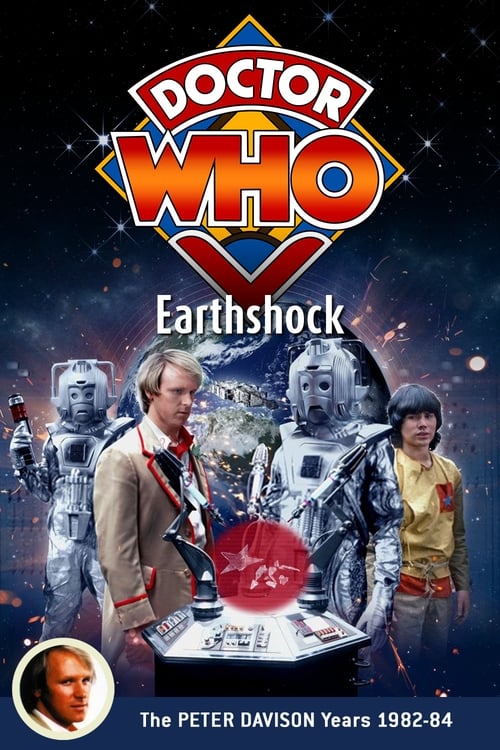
Doctor Who: Earthshock
1982
No user ratings available yet
Representation score: 5.1 out of 10

Representation Score
Good
1975
TV-GDirector
David Maloney
Runtime
143 minutes
Average Rating
No ratings yetNew Showbiz Analysis
This production uses science fiction to examine systemic collapse and the dangers of ideological purity. While literal demographic diversity is limited, the story excels through sophisticated allegorical storytelling. It mirrors real-world struggles of 'othering' and genocide through its non-human conflicts. The characterization of Sarah Jane Smith offers a moderate subversion of gender archetypes, providing a female lead with professional autonomy. Meanwhile, the treatment of Davros offers a complex, non-sentimental look at how physical frailty can shape a character's drive for power. Ultimately, the work's strength lies in its ability to critique totalitarianism and social hierarchies through a lens of moral ambiguity and temporal interference.
Category Breakdown
The story does not include any LGBTQ+ characters or explore non-straight relationships. The plot focuses entirely on the biological and geopolitical war between the Kaled and Thal factions.
Sarah Jane Smith demonstrates professional independence and intellectual autonomy as a journalist. However, the narrative emphasizes the Doctor's authority, maintaining a traditional leadership structure.
The human cast is ethnically uniform, but the conflict between species serves as a powerful allegory for racialized genocide. This metaphorical approach adds significant thematic depth regarding identity-based struggle.
The series critiques corrupt power structures and extremist ideologies. It challenges established hierarchies by portraying the Kaled state as inherently unstable and driven by dangerous, totalitarian purity.
Davros's dependence on a life-support chair is central to his psychological motivations. The narrative uses his physical condition to drive his villainous actions rather than relying on clichés.
Present on Screen
Limited or Absent
Official Synopsis
The Time Lords dispatch the Doctor to the past of the planet Skaro on his deadliest adventure yet — to prevent the creation of the Daleks.
1982
1954

1965
1978
1978

1996
1975
1979
No reviews yet. Be the first to share your thoughts on this movie!
Use the rating form above to leave a star rating and optional review.