
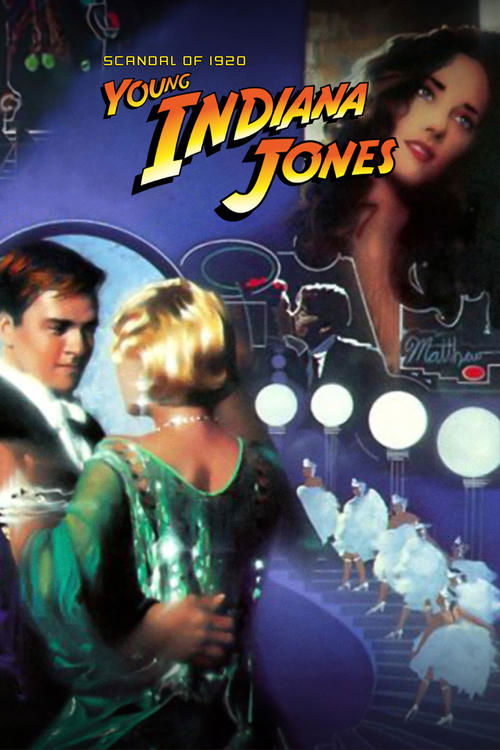
The Adventures of Young Indiana Jones: Hollywood Follies
1994
No user ratings available yet
Representation score: 2.5 out of 10
Representation Score
Limited
1999
TV-GDirector
Sydney Macartney
Runtime
90 minutes
Average Rating
No ratings yetNew Showbiz Analysis
Scandal of 1920 functions as a traditional period piece that prioritizes historical accuracy and conventional romantic storytelling. While it captures the intellectual energy of the 1920s, it maintains a conservative approach to representation. The narrative centers on a homogeneous social class and traditional gender roles. It avoids challenging systemic hierarchies, opting instead to explore the complexities of fame and scandal within the established social order of the time.
Category Breakdown
The film does not feature any identifiable LGBTQ+ characters or explore non-straight relationships. The story revolves around the protagonist's romantic entanglements within a traditional framework.
Female characters engage intellectually through the Algonquin Round Table, but the story mainly focuses on the male protagonist's actions and the social consequences women face regarding their reputations.
The film portrays a predominantly homogeneous social environment centered on Broadway and London high society. There is a notable lack of diverse ethnic perspectives or multi-layered casting.
The story is deeply rooted in Western cultural institutions and early 20th-century high society. It reinforces traditional social hierarchies and the importance of reputation within established class structures.
No visible or invisible disabilities are integrated into the character arcs. Characters with disabilities are not used as central plot elements or granted narrative ability to act.
Present on Screen
Limited or Absent
Official Synopsis
On summer break from college, Indy stage-manages a new Broadway musical revue composed by George Gershwin. Indy also trades quips with the razor wits of the famed Algonquin Round Table - when not soothing temperamental stars, worrying over suspicious backstage malfunctions, and romancing three women simultaneously.
1994
2002

1999
2000

2000

2000
2000
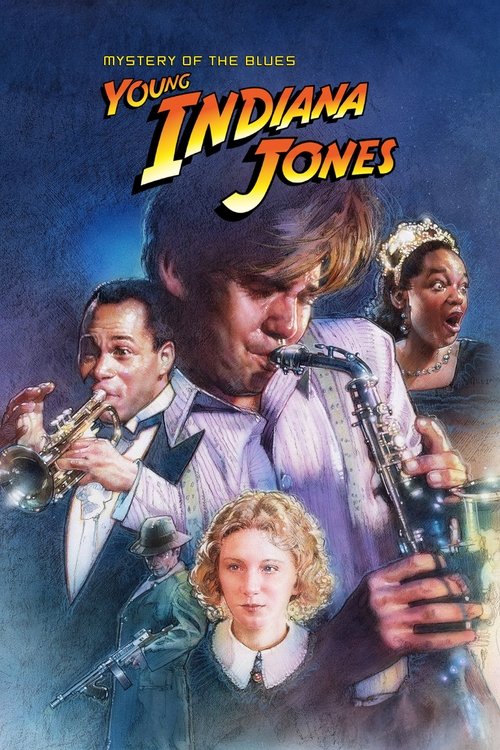
1999
No reviews yet. Be the first to share your thoughts on this movie!
Use the rating form above to leave a star rating and optional review.