
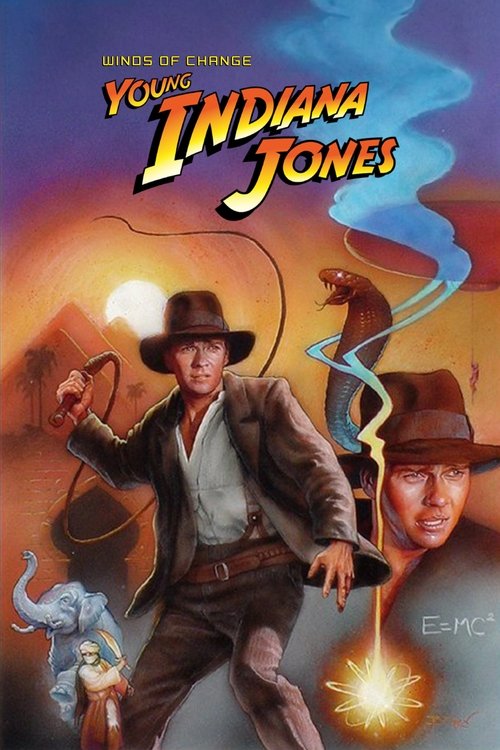
The Adventures of Young Indiana Jones: Hollywood Follies
1994
No user ratings available yet
Representation score: 2.5 out of 10
Representation Score
Limited
2000
Director
David Hare, Michael Schultz
Runtime
97 minutes
Average Rating
No ratings yetNew Showbiz Analysis
The film stands out as a historical inquiry by going beyond typical adventure stories to explore geopolitical changes. It offers intellectual depth through its focus on non-Western historical figures and a critique of Western dominance. However, the film is limited by its adherence to the social norms of its time. The absence of LGBTQ+ representation and characters with disabilities leaves gaps in diversity. Overall, the film's strength lies in its nuanced portrayal of racial and cultural dynamics, setting it apart from typical period pieces despite its patriarchal tendencies.
Category Breakdown
The film does not include any LGBTQ+ identities or themes, sticking to the assumption that everyone is straight or cisgender.
The film portrays a society where men hold power, reflecting early 20th-century hierarchies. Women have limited influence in both aristocratic and political settings.
The film breaks away from Anglo-centric stories by focusing on figures like Prince Faisal and Ho Chi Minh. It explores how systemic racism affects Paul Robeson.
The film criticizes Western institutions by showing the Paris Peace Conference as cynical. It highlights the growth of various national identities.
The film does not depict any characters with visible or invisible disabilities, nor does it represent neurodivergence or physical impairments.
Present on Screen
Limited or Absent
Official Synopsis
Following World War I, Indy - now fluent in several languages - works as a translator at the controversial Paris Peace Conference, where he once more meets Lawrence of Arabia, and encounters the Arab Prince Faisal and a young Ho Chi Minh. Disillusioned by the hard and cynical realpolitik of international deal-making, he returns home to Princeton, New Jersey after a three-year absence, where he finds his father as cold and distant as ever, and discovers a detrimental change in his boyhood friend, Paul Robeson, caused by bigotry.
1994
1997

1995

1999
1995

1999
1999

2000
No reviews yet. Be the first to share your thoughts on this movie!
Use the rating form above to leave a star rating and optional review.