
The Stepmother
1973
No user ratings available yet
Representation score: 1.9 out of 10
Representation Score
Limited
1978
Director
Ayan Shakhmaliyeva
Runtime
74 minutes
Average Rating
No ratings yetNew Showbiz Analysis
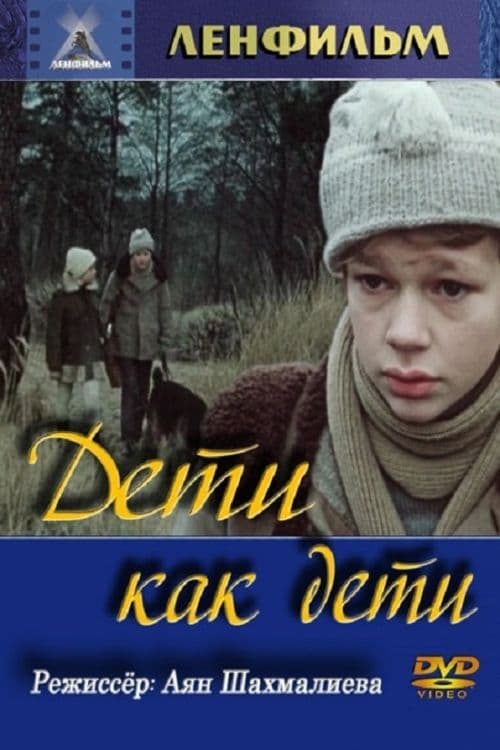
Ordinary Children (1978) is a psychological character study focused on realistic family life. It avoids the cliché of the 'perfect' family, instead showing the instability caused by infidelity and the creation of blended families. However, the film lacks diversity. The story is limited to a homogeneous social setting, offering little representation of different races, ethnicities, or LGBTQ+ identities. The focus stays on the interpersonal conflicts within a traditional family setup. Ultimately, while the film offers emotional depth about family breakdown, it does not serve as a platform for broader identity or systemic representation.
Category Breakdown
The film focuses on the restructuring of a family unit that assumes everyone is straight or cisgender. There are no LGBTQ+ characters or stories about non-cisgender identities.
The plot centers on the emotional fallout after a man cheats on his partner. Female characters play a key role in reacting to the situation, but the conflict arises from traditional male behavior.
The film seems to have a mostly white cast. There is no mention of how different races interact or non-white actors in main roles.
The story challenges the idea of a perfect family by focusing on marriage breakdown. It looks at the complexities of blended families and honest emotions.
There are no characters with visible or invisible disabilities in the story.
Present on Screen
Limited or Absent
Official Synopsis
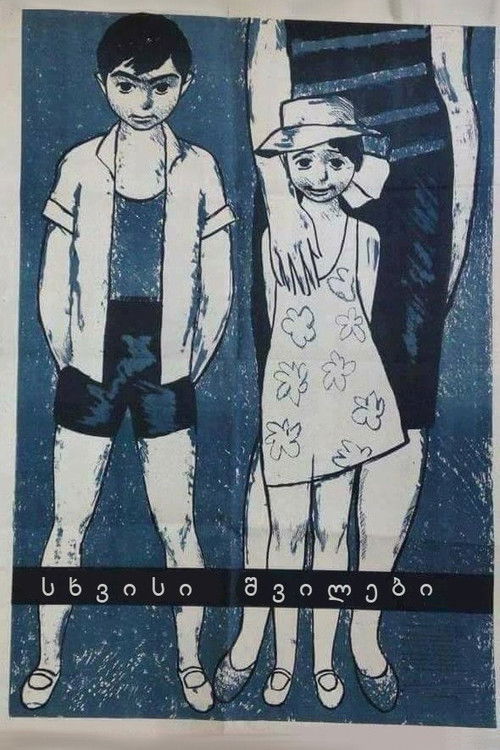
Four years ago, Igor, Olya's father, fell in love with another woman, Tatyana, and left his wife. Tatyana has a son, Dima, whom Igor is adopting. And one day Igor can not meet Olya, and sends Dima instead. Children get acquainted. There is a paradox. Olya hates Dima and his mother, he is friendly. Children have to cross the line of love and hate.
1973
1989
1958
1961
1958

1999

1984
1958
No reviews yet. Be the first to share your thoughts on this movie!
Use the rating form above to leave a star rating and optional review.