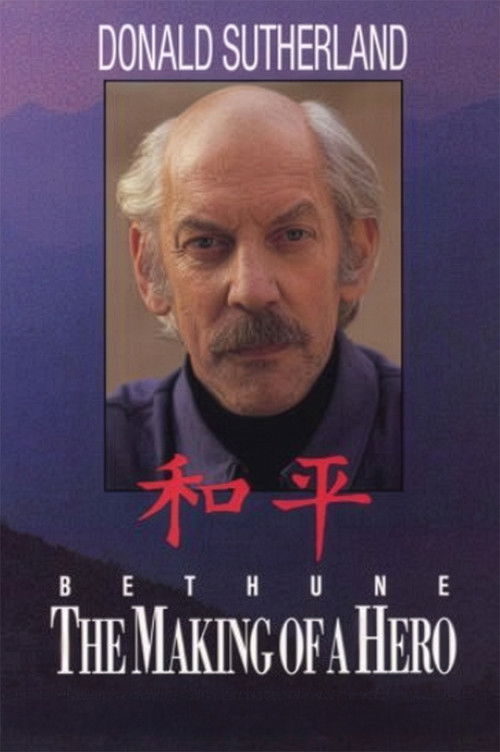
Bethune: The Making of a Hero
1993
No user ratings available yet
Representation score: 4.8 out of 10

Representation Score
Fair
1946
Director
Shantaram Rajaram Vankudre
Runtime
124 minutes
Average Rating
No ratings yetNew Showbiz Analysis
Dr. Kotnis Ki Amar Kahani stands out as a significant piece of anti-colonial cinema. By centering an Indian doctor's involvement in the Chinese resistance, it disrupts the Eurocentric war narratives common in mid-century film. The story successfully uses a humanitarian mission to explore themes of Pan-Asian solidarity and systemic resistance against imperial aggression. However, the film remains tethered to the social norms of its time. Gender roles are largely traditional, with female characters serving as emotional anchors rather than independent agents. Additionally, disability is treated through a clinical lens of medical necessity rather than as a distinct identity. Ultimately, the film's strength lies in its ability to de-center Western perspectives, offering a powerful metaphor for cross-cultural cooperation during a global crisis.
Category Breakdown
The film adheres to the traditional cinematic conventions of 1946, focusing on a standard romantic relationship between the male protagonist and a Chinese woman. There are no queer narratives present.
The story centers on the professional role of the male doctor. While women play important emotional roles, they primarily occupy traditional supportive roles within the resistance.
This film is highly progressive for its era, centering an Indian professional within a Chinese movement. It effectively de-centers Western perspectives by prioritizing a Pan-Asian viewpoint on global conflict.
The narrative emphasizes internationalist and anti-imperialist frameworks. It portrays the struggle against fascism as a collective humanitarian effort, highlighting the value of transnational cooperation and social solidarity.
Representation is tied to the medical plot involving a population affected by plague. The focus remains on the necessity of medical treatment rather than the lived experiences of disabled individuals.
Present on Screen
Limited or Absent
Official Synopsis
During the Japanese invasion of China, a young Indian doctor joins the Chinese resistance, meets and courts a Chinese girl, cures a virulent plague, and is captured by a Japanese platoon...
1993
1959

2017
1961

2015

1975
1947

1974
No reviews yet. Be the first to share your thoughts on this movie!
Use the rating form above to leave a star rating and optional review.