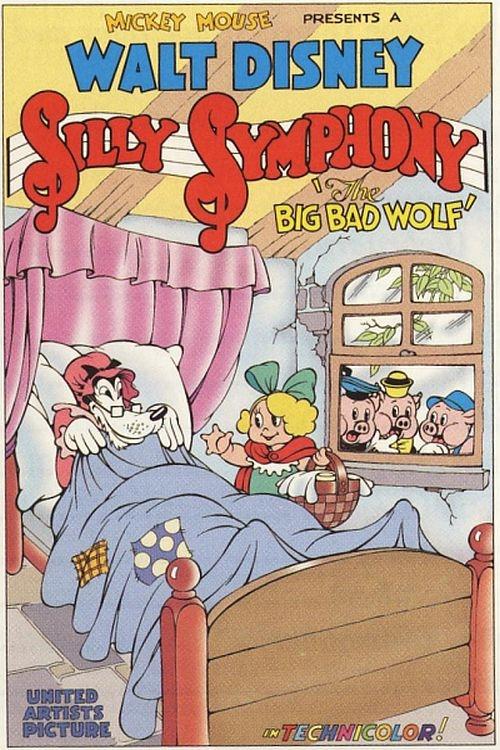
The Big Bad Wolf
1934
No user ratings available yet
Representation score: 0.3 out of 10
Representation Score
Minimal
1932
NRDirector
Burt Gillett
Runtime
8 minutes
Average Rating
No ratings yetNew Showbiz Analysis
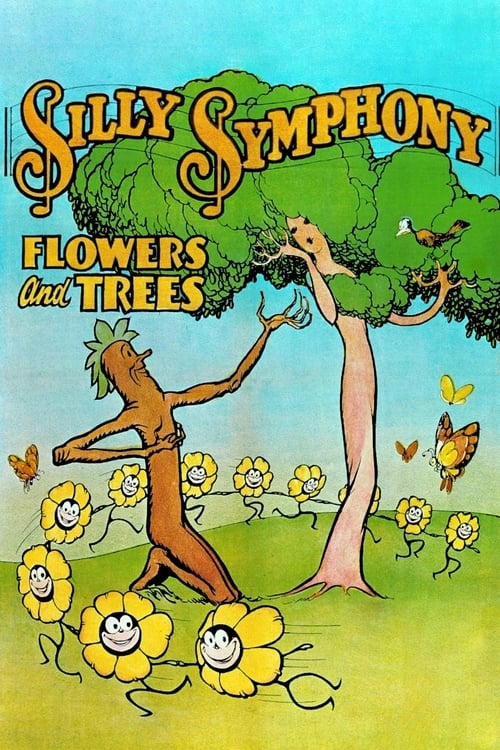
Flowers and Trees is a landmark technical achievement in animation, known for its pioneering use of three-strip Technicolor. However, its narrative structure is deeply rooted in traditionalist frameworks of its time. The film prioritizes visual innovation and rhythmic, synchronized musicality over social complexity. This focus results in a story that relies on conventional clichés and lacks diverse perspectives. Ultimately, the work serves as a sentimentalized pastoral fantasy. While visually groundbreaking, it offers no deconstruction of social hierarchies or inclusion of underrepresented identities.
Category Breakdown
The story focuses on a courtship between two specific trees, with no indication of queer subtext or non-cisgender identities.
Female characters serve as romantic interests, while a malevolent, jealous force drives the conflict, reflecting early 20th-century social norms.
Since the film features no human characters, there is no racial or ethnic representation. The cast consists entirely of homogeneous, anthropomorphic plants.
The story promotes a romanticized, pastoral idealism and traditionalist views of social harmony. It avoids complex moral relativism and critiques of Western institutions.
There are no characters depicted with physical, sensory, or neurodivergent disabilities. The cast is defined by their ability to participate in synchronized dance and music.
Present on Screen
Limited or Absent
Official Synopsis
A jealous stump threatens two trees that are in love by starting a forest fire. When the rain comes and puts out the fire the forest revives and celebrates the wedding.
1934
1938
1935
1950
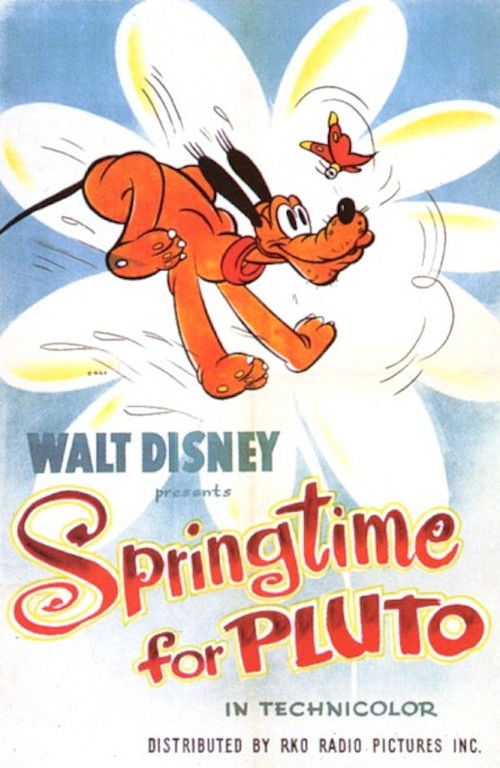
1944
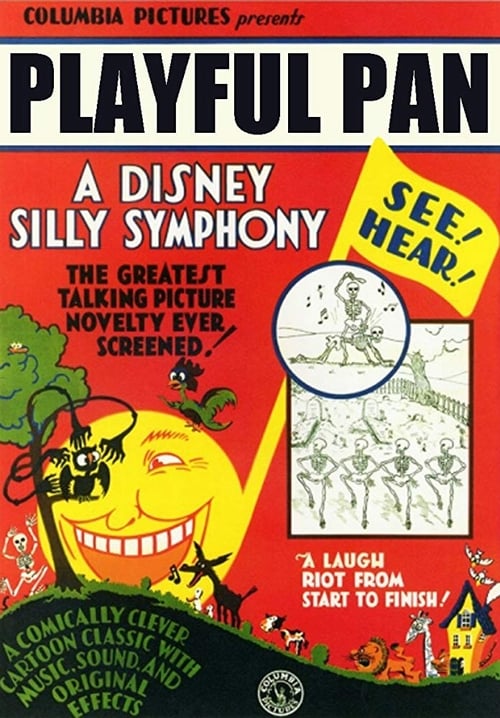
1930
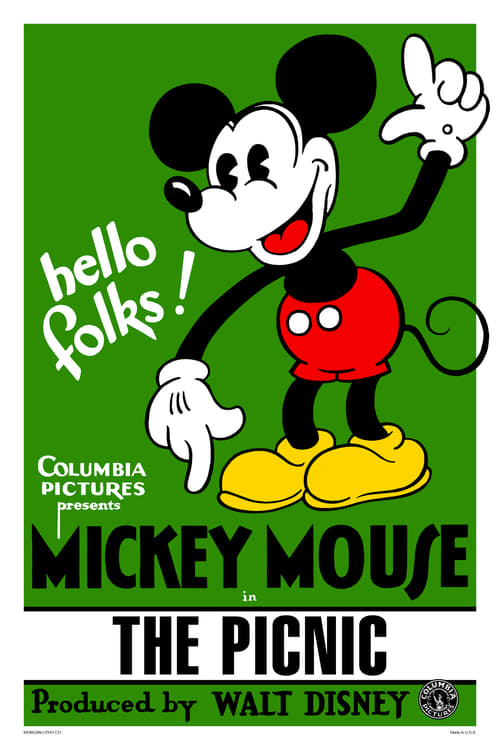
1930
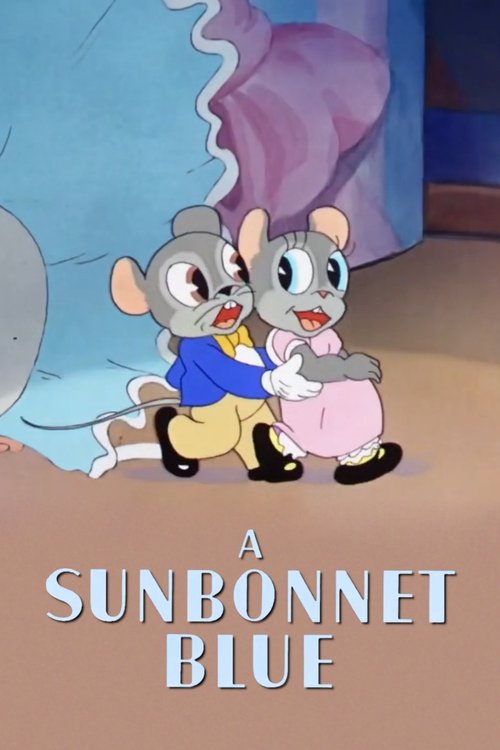
1937
No reviews yet. Be the first to share your thoughts on this movie!
Use the rating form above to leave a star rating and optional review.