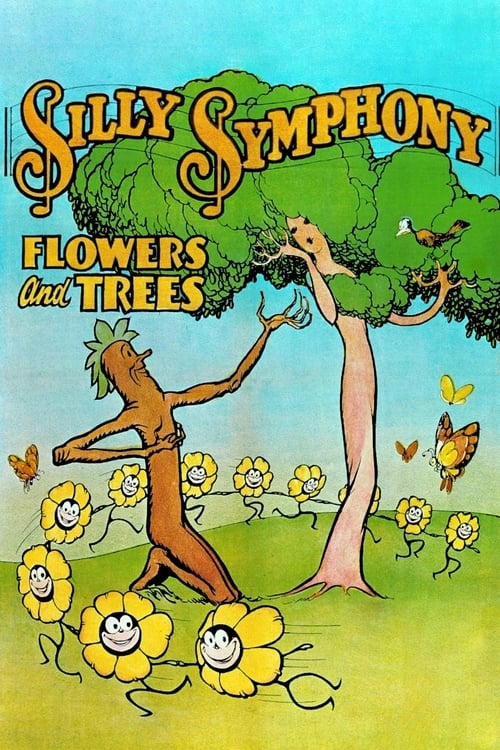
Flowers and Trees
1932
No user ratings available yet
Representation score: 0.2 out of 10

Representation Score
Minimal
1934
NRDirector
Burt Gillett
Runtime
9 minutes
Average Rating
No ratings yetNew Showbiz Analysis
The Big Bad Wolf relies on established folklore to maintain a traditional and conservative narrative structure. It prioritizes moral clarity and archetypal clichés over any attempt to disrupt social hierarchies or introduce diverse perspectives. While the film succeeds as a foundational piece of early animation, it offers a singular, homogeneous worldview. The characters function as vessels for a predictable moral lesson rather than complex individuals with overlapping identities. Ultimately, the film reinforces the status quo of the 1930s. It lacks any meaningful representation of LGBTQ+ identities, diverse ethnicities, or disabilities, focusing instead on a restorative justice common to period folklore.
Category Breakdown
The film does not depict any non-straight or non-cisgender identities or same-sex relationships. Character dynamics adhere strictly to traditional fairy tale archetypes.
Gender roles follow conventional hierarchies. Little Red Riding Hood is portrayed as a passive, vulnerable figure, while the Grandmother remains in a supporting role.
The animation lacks racial or ethnic diversity. Characters are presented as uniform animal and human archetypes without engaging with diverse cultural identities.
The story adheres to a Western moral binary of good versus evil. It reinforces traditional structures without offering a critical or deconstructive perspective.
There are no visible or invisible disabilities portrayed. Characters are defined solely by their fable roles rather than by any physical or mental conditions.
Present on Screen
Limited or Absent
Official Synopsis
The Big Bad Wolf torments Little Red Riding Hood and the Three Little Pigs.
1932
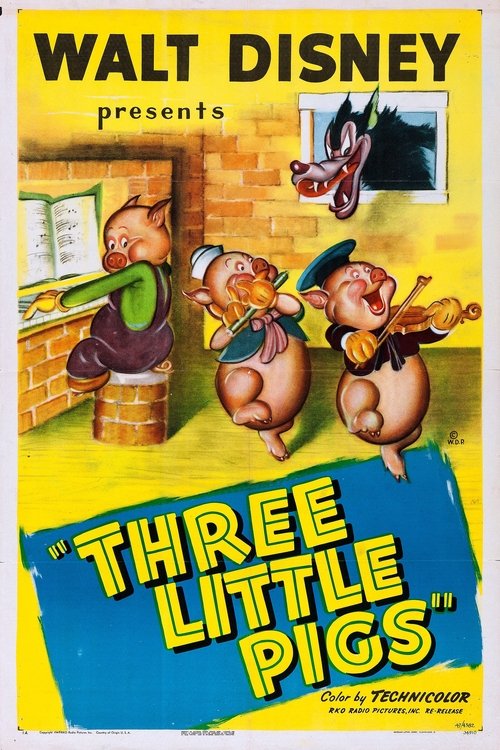
1933
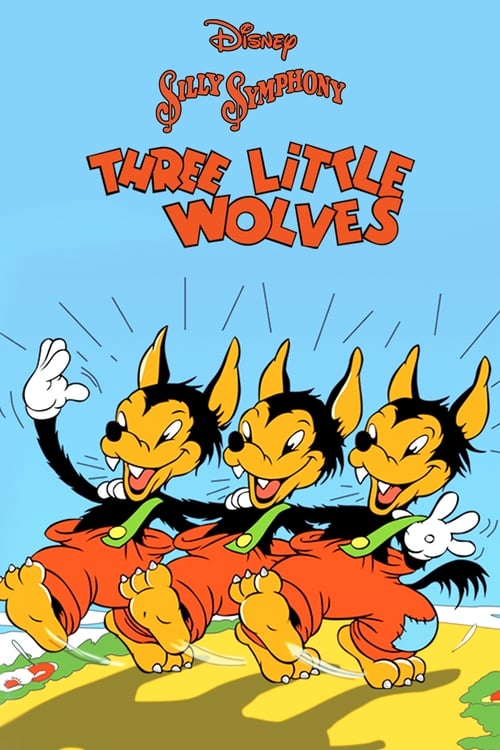
1936
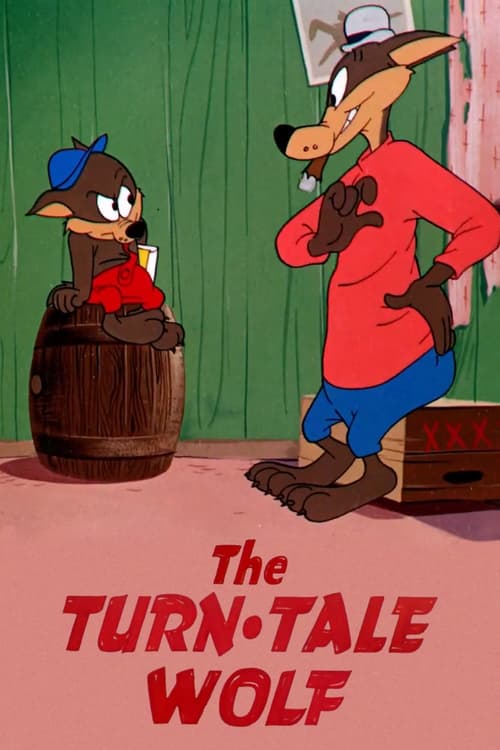
1952
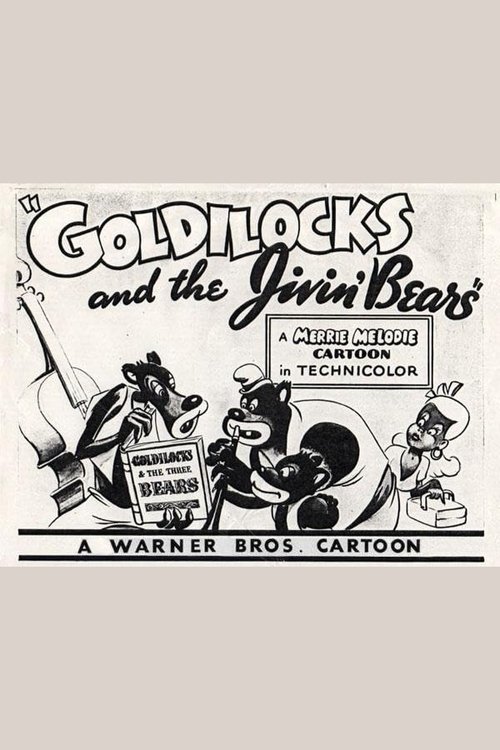
1944
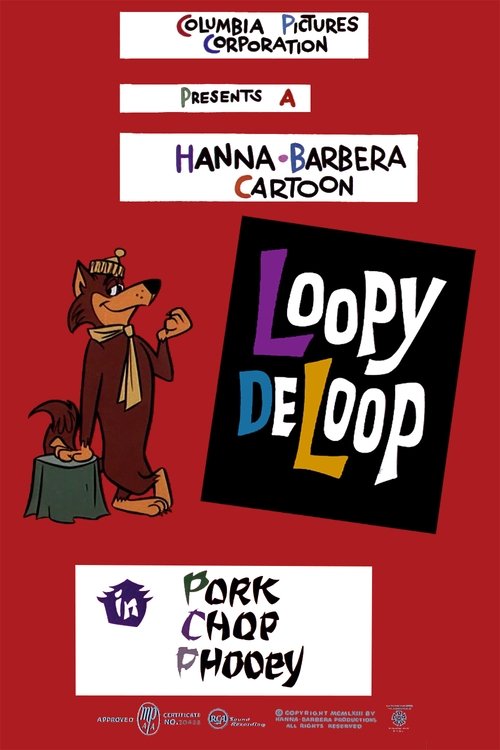
1965
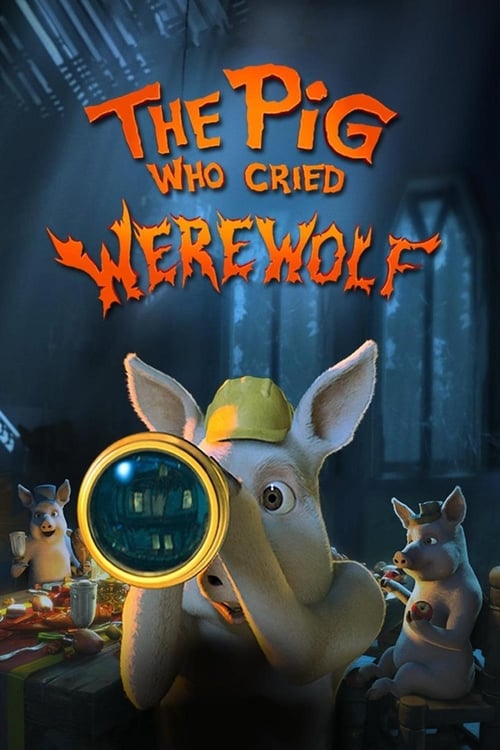
2011
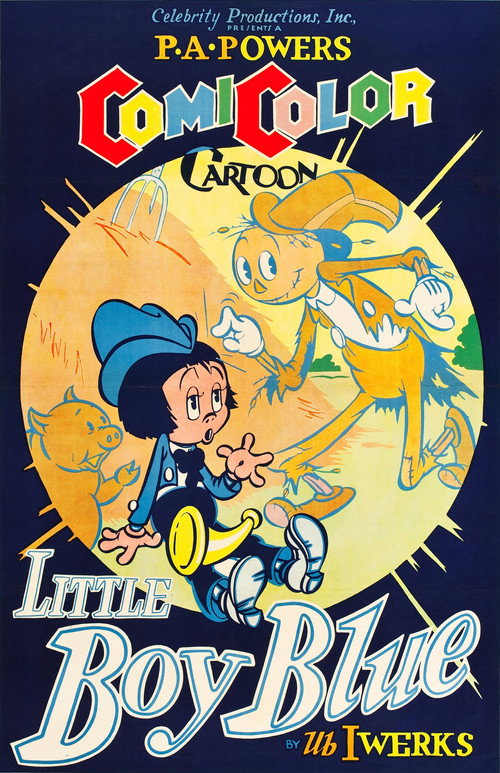
1936
No reviews yet. Be the first to share your thoughts on this movie!
Use the rating form above to leave a star rating and optional review.