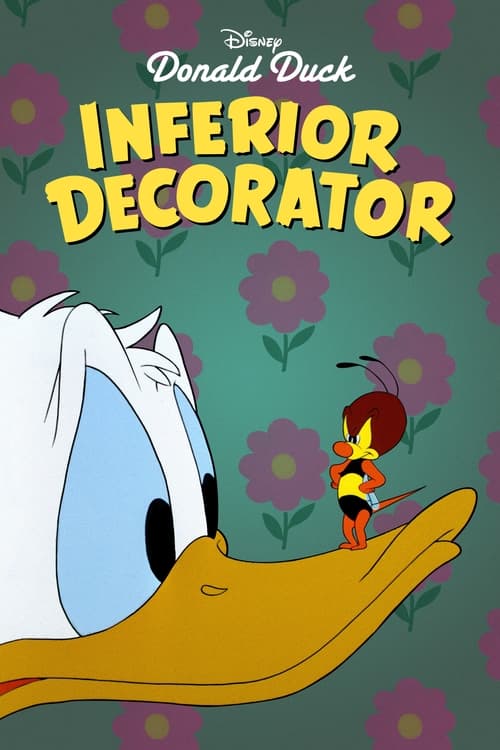
Inferior Decorator
1948
No user ratings available yet
Representation score: 0.4 out of 10
Representation Score
Limited
1944
NRDirector
Charles August Nichols
Runtime
7 minutes
Average Rating
No ratings yetNew Showbiz Analysis
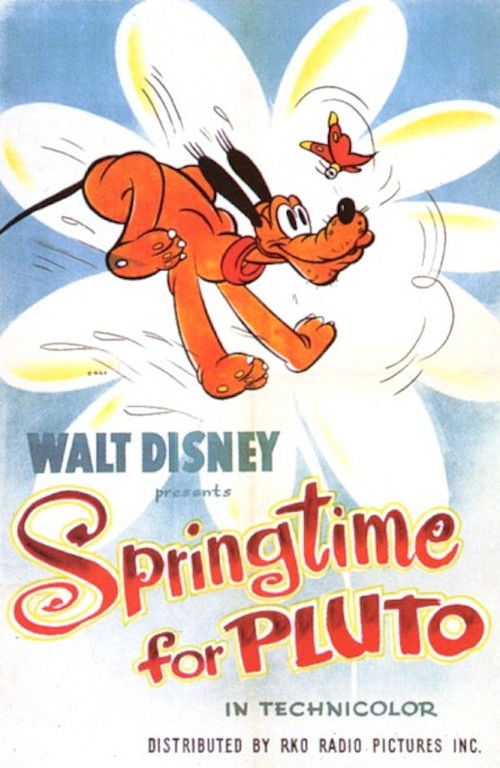
Springtime for Pluto is a traditional 1940s animated short that prioritizes slapstick humor and seasonal motifs over narrative depth. The story follows Pluto's seasonal celebrations and his comedic mishaps with nature, such as bees and hail. The film operates within a narrow framework, focusing on anthropomorphic characters and mythological figures in a stylized setting. This focus naturally excludes human-centric diversity, including racial, ethnic, or complex gender perspectives. Ultimately, the film is a product of its era, functioning as a character-driven vignette. It lacks the intent to address diverse identities or social hierarchies, relying instead on physical comedy.
Category Breakdown
The interaction between Pluto and a mythological satyr serves a purely comedic purpose. It lacks any exploration of LGBTQ+ identities or romantic nuances.
Characters function as archetypes driven by instinct and physical comedy. The film does not delve into complex gender dynamics or challenge established gender roles.
The setting is a stylized natural environment featuring anthropomorphic animals. This focus prevents any depiction of human racial or ethnic diversity.
The narrative centers on seasonal whimsy and the consequences of physical imitation. It maintains a conventional stance without engaging in cultural or religious critiques.
Physical struggles, such as escaping bees or enduring hail, are used as standard slapstick clichés. There is no exploration of neurodivergence or physical impairments.
Present on Screen
Limited or Absent
Official Synopsis
Seduced by a satyr, Pluto celebrates spring. He goes around enjoying the scents, then imitating various animals. But when he imitates the butterfly (that transformed from a caterpillar before our eyes), he gets in trouble. The butterfly had done a little dance with a water droplet; Pluto picks a beehive as his "ball". The bees, of course, attack, and Pluto escapes by diving into some bushes of poison ivy. Then the "gentle" rains of spring come, along with the hail ("hail, hail the rains"), making a mess of Pluto's house. When the rains end and the satyr returns, Pluto gives him the greeting he deserves.
1948

1939
1950
1949
1959

1948

1954
1954
No reviews yet. Be the first to share your thoughts on this movie!
Use the rating form above to leave a star rating and optional review.