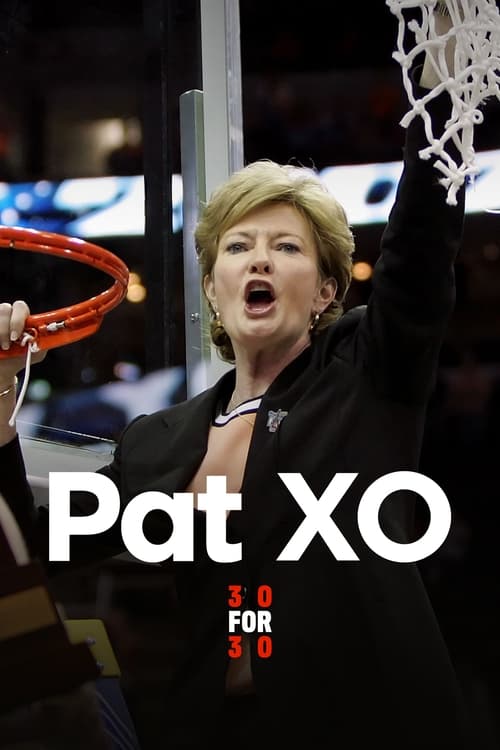
Pat XO
2013
No user ratings available yet
Diversity score: 7.0 out of 10

2010
Director
Lisa Lax, Nancy Stern Winters
Runtime
52 minutes
Average Rating
No ratings yetSynopsis
The first time Chris Evert and Martina Navratilova stepped onto a tennis court together, the world scarcely noticed. Only a few hundred spectators saw the pert 18-year-old beat the scrappy 16-year-old Czech in 1973. “I remember that she was fat,” Evert recalled. “She was very emotional on the court, whining if she didn't feel she was playing well. But I remember thinking, if she loses weight, we’re all in trouble.” Said Navratilova, “My goal was for her to remember my name.” Eighty matches later – amid the extraordinary growth of women’s tennis – Evert not only remembered, but became a tried and true friend and confidante, remarkable considering the two appeared to be polar opposites in upbringing, life styles and personal relationships. Through a series of personal conversations, this documentary will tell the story of one of the greatest one-on-one sports rivalries and capture these two extraordinary athletes’ views on tennis and an ever-changing world.
Overall Score
Fair
Category Breakdown
LGBTQ+ Representation
The film features Martina Navratilova, a foundational icon for LGBTQ+ visibility. While the narrative centers on athletic rivalry, it touches upon identity within a shifting social landscape.
Gender Representation
The documentary elevates female subjects to elite, high-stakes competitors. It disrupts expectations of female passivity by highlighting the intense strength and professional dominance of Evert and Navratilova.
Racial & Ethnic Diversity
The scope is limited to a specific interpersonal dynamic within the tennis circuit. Navratilova’s Czech heritage offers some ethnic diversity, but the film lacks a broad racial spectrum.
Religious & Cultural Diversity
The film explores evolving social norms through professional sports. It examines the transition from rigid 1970s structures to a more modern, subjective understanding of identity and conduct.
Disability Representation
There is no evidence of physical or neurodivergent disability representation in this documentary.
Strengths
Areas for Improvement
AI Analysis
Unmatched provides a powerful look at female agency by centering on two of tennis's most dominant figures. The film successfully moves beyond domestic tropes, instead focusing on the intellectual and physical grit required for professional excellence. However, the biographical focus limits the scope of diversity. While Navratilova's heritage and identity provide important layers, the narrative remains tightly wound around a specific, historically Western-dominated sporting era. Ultimately, the film succeeds as a study of how individual identities intersect with global cultural shifts, even if it does not aim for broad intersectional representation.
2013

2013

2017
2015
1985
2013
2016
2001
2022

2015

2020
2014
No reviews yet. Be the first to share your thoughts on this movie!
Use the rating form above to leave a star rating and optional review.