Breaking Olympia: The Phil Heath Story
2024
No user ratings available yet
Representation score: 0.6 out of 10
Representation Score
Good
1985
NRDirector
George Butler
Runtime
107 minutes
Average Rating
No ratings yetNew Showbiz Analysis
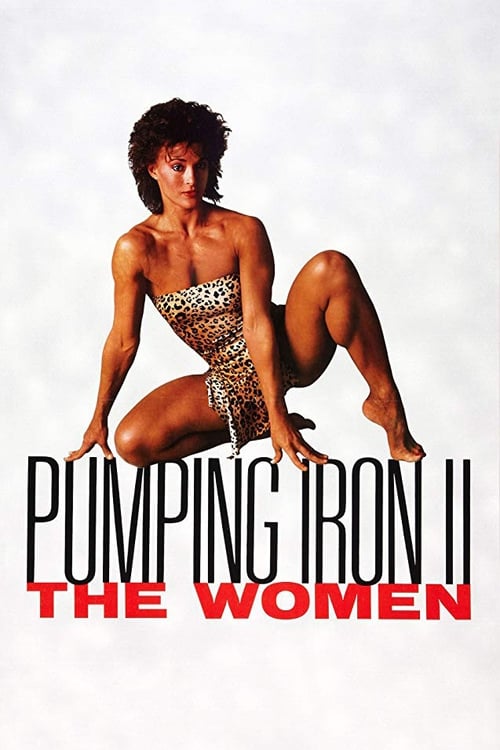
Pumping Iron II: The Women stands as a significant cultural document that challenges traditional gender stereotypes. Its primary strength lies in its disruption of traditional gender aesthetics, providing a platform for women to assert control over their physical identities. The film is progressive for its time, particularly in how it deconstructs the normative female form. By focusing on muscularity and discipline, it moves beyond mere sports documentation to explore the reconfiguration of social norms. While the film lacks explicit LGBTQ+ or disability narratives, its subversion of the patriarchal gaze provides a sophisticated layer of representation. It successfully shifts the focus from traditional femininity to individual bodily autonomy.
Category Breakdown
The film does not explicitly focus on LGBTQ+ identities or romantic orientations. However, the muscular physiques presented challenge traditional expectations of femininity, aligning visually with non-traditional gender expressions.
This documentary challenges traditional gender roles by showcasing women with strength that surpasses conventional feminine stereotypes. The athletes take control of their bodies, demonstrating a strong sense of ability to act and breaking away from the submissive female stereotype.
The film features a diverse cast of athletes, avoiding a homogeneous depiction of the sport. This inclusion offers a more inclusive view of the bodybuilding community compared to typical 1980s media.
The narrative questions Western beauty standards by prioritizing personal definitions of the ideal over societal norms. It highlights a secular, discipline-based pursuit of self-actualization outside traditional domestic or religious structures.
There are no prominent depictions of visible or invisible disabilities. The focus remains on the athletic performance and physical conditioning of the competitors.
Present on Screen
Limited or Absent
Official Synopsis
PUMPING IRON II: THE WOMEN, a film that is changing the way the world views the female physique-creating "a new definition of the female form." Join four women as they prepare for the 1983 Caesars Palace World Cup Championship: the sultry and curvaceous Rachel McLish, the current champion; the super-muscular Bev Francis, Rachel's toughest competition; and newcomers Lori Bowen and Carla Dunlap.
2024
1977

2018
2013
2017

2005

1999

2000
No reviews yet. Be the first to share your thoughts on this movie!
Use the rating form above to leave a star rating and optional review.