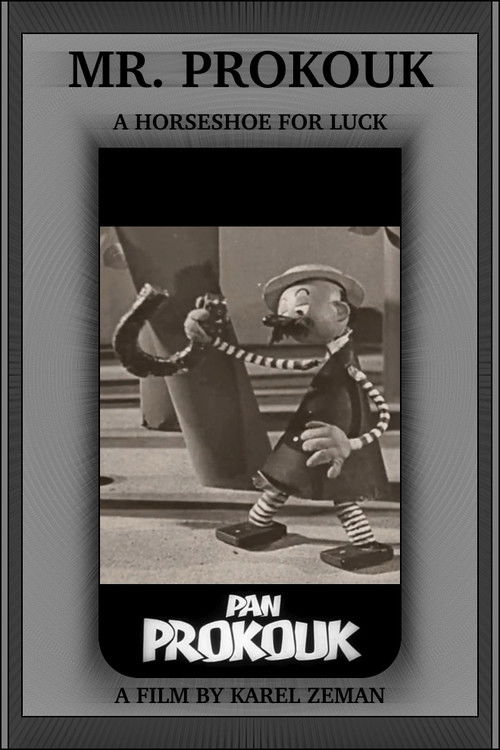
Mr. Prokouk: A Horseshoe for Luck
1946
No user ratings available yet
Representation score: 1.2 out of 10
No Poster Available
Representation Score
Minimal
1943
ApprovedDirector
John Hubley, Paul Sommer
Runtime
8 minutes
Average Rating
No ratings yetNew Showbiz Analysis
Professor Small and Mr. Tall serves as a traditional mid-century comedic short. While director John Hubley is known for later experimental and socially conscious work, this specific film adheres to the social norms of 1943. The narrative focuses almost exclusively on a male-centric duo, lacking multi-layered complexity. The absence of female characters and diverse ethnic representation keeps the story within the demographic norms of its time. Ultimately, the film relies on established clichés and folklore rather than challenging traditional hierarchies or offering diverse perspectives.
Category Breakdown
The film centers on a duo characterized by physical differences and shared adversity. There is no indication of queer identity or non-cisgender gender expression.
The story revolves around a pair of male characters. The absence of female characters reinforces a traditional, male-dominated comedic structure.
The settings of a ghost town and desert feature predominantly white casts typical of the era. The characters seem to adhere to conventional, Anglo-centric designs.
The plot incorporates a superstition-driven narrative about bad luck. It aligns with traditional folklore without challenging Western institutions or promoting secular views.
There is no evidence of characters with physical, sensory, or neurodivergent disabilities.
Present on Screen
Limited or Absent
Official Synopsis
Small and Tall break a mirror on a train trip and their seven years of bad luck start immediately. Stranded by an accident, they have trouble in a ghost town and finally are lost in the desert. The mirror saves them when they piece it back together, and everything is okay until they break the mirror again and their troubles start anew.
1946
1949
1948
1949
1927
1940
1951
1937
No reviews yet. Be the first to share your thoughts on this movie!
Use the rating form above to leave a star rating and optional review.