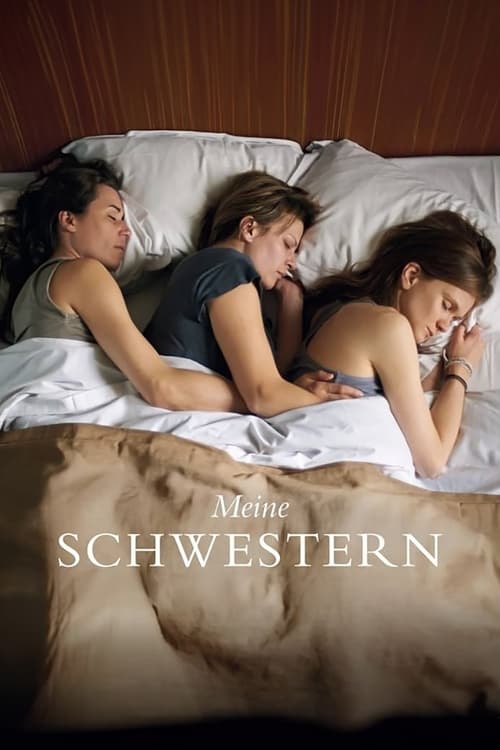
My Sisters
2014
No user ratings available yet
Representation score: 7.8 out of 10

Representation Score
Fair
2015
Director
Sabine Hiebler, Gerhard Ertl
Runtime
93 minutes
Average Rating
No ratings yetNew Showbiz Analysis
Chucks is an intimate, character-driven drama that prioritizes psychological realism over broader social critique. The narrative centers on personal grief and the emotional connection between two individuals facing profound life transitions. While the film explores non-traditional emotional landscapes and the complexities of a broken family, it lacks broader markers of diversity. The focus remains tightly centered on the internal lives of the protagonists. Ultimately, the film offers meaningful representation of illness and women's ability to drive the story but remains silent on racial, ethnic, and queer identities, resulting in a specialized rather than broad diversity profile.
Category Breakdown
The film does not include explicit references to LGBTQ+ identities or relationships. The central relationship between Mae and Paul revolves around shared vulnerability and terminal illness rather than queer identity.
Mae is a strong female protagonist who navigates trauma and professional reintegration. Paul exhibits a sensitive masculinity, but the film does not explicitly challenge traditional gender roles.
There is no information provided about the racial or ethnic makeup of the cast. Therefore, it is unclear whether there is any representation of non-Anglo-Saxon backgrounds.
The story challenges traditional family structures by depicting a broken household and a protagonist who rejects institutional norms. It emphasizes personal, honest narratives over social stability.
Paul’s terminal illness adds significant emotional depth to the story. His character provides a space for Mae to be accepted, offering a nuanced portrayal of chronic illness.
Present on Screen
Limited or Absent
Official Synopsis
Mae quit school and ran away from home. After her brother’s death her family is broken. Only his red shoes (Chucks) remain. Mae has to start working in a social institution where she meets Paul. He is funny, sensitive, takes Mae as she is - and he is terminally ill. In a book named Chucks Mae writes down her own story about growing up between life and death: wild, tender and absolutely honest.
2014

2017
2020
2018

2016

2020
2018
2014
No reviews yet. Be the first to share your thoughts on this movie!
Use the rating form above to leave a star rating and optional review.