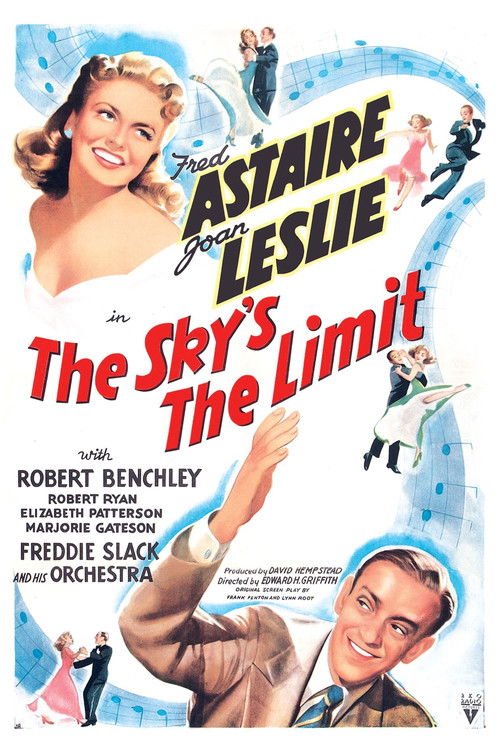
The Sky's the Limit
1943
No user ratings available yet
Diversity score: 2.6 out of 10

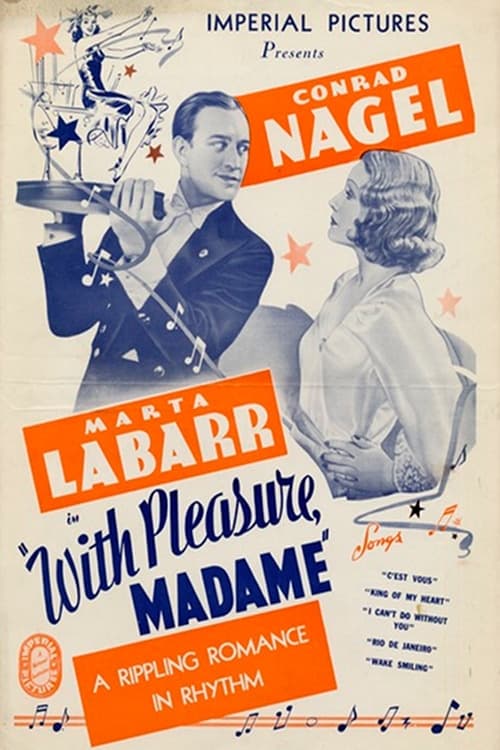
1936
ApprovedDirector
Ralph Staub
Runtime
20 minutes
Average Rating
No ratings yetSynopsis
In this musical short, a shipwrecked sailor is washed up on the shores of a tropical island and falls in love with a beautiful princess.
Overall Score
Limited
Category Breakdown
LGBTQ+ Representation
The film follows a traditional romantic trajectory between a male sailor and a female princess. It lacks any evidence of non-cisnormative identities or narratives that critique heteronormativity.
Gender Representation
The narrative relies on classic tropes where the female character's role is defined by her relationship to the male protagonist. This suggests a traditional gender hierarchy rather than a subversion of social roles.
Racial & Ethnic Diversity
Set on a tropical island, the film likely utilizes exotic settings common to 1930s cinema. This era often relied on caricatured depictions of non-Western cultures and stereotypical islander portrayals.
Religious & Cultural Diversity
The premise aligns with Western escapist traditions, prioritizing romanticized adventure over systemic critique. The narrative reinforces the cultural norms of its time rather than challenging them.
Disability Representation
There is no documented evidence of characters with visible or invisible disabilities in this musical short.
Strengths
Areas for Improvement
AI Analysis
King of the Islands is a 1936 musical short that adheres strictly to the escapist tropes of its era. The plot centers on a shipwrecked sailor and a tropical princess, following a conventional romantic-adventure structure. The film functions as a period piece that prioritizes standard storytelling frameworks over nuanced character agency. It reflects the social constraints of the 1930s, favoring traditional romantic paradigms and established social hierarchies. Ultimately, the work lacks intersectional representation, instead leaning into the romanticized and often caricatured depictions of non-Western cultures typical of mid-20th-century studio-driven comedy.
1943
1936

1947
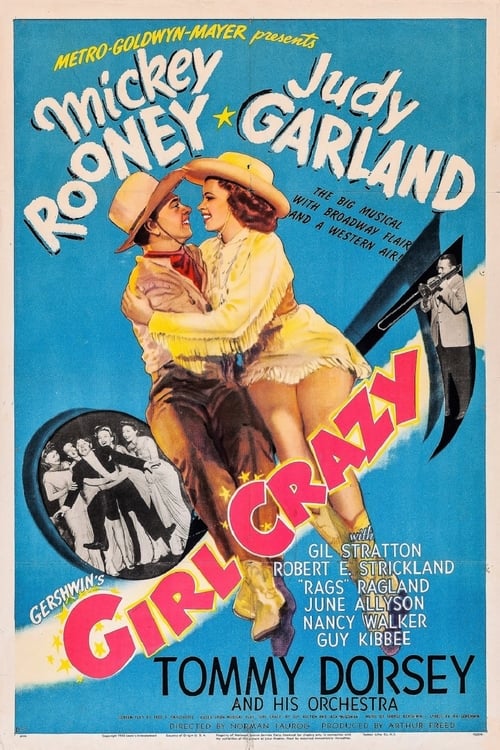
1943
1940
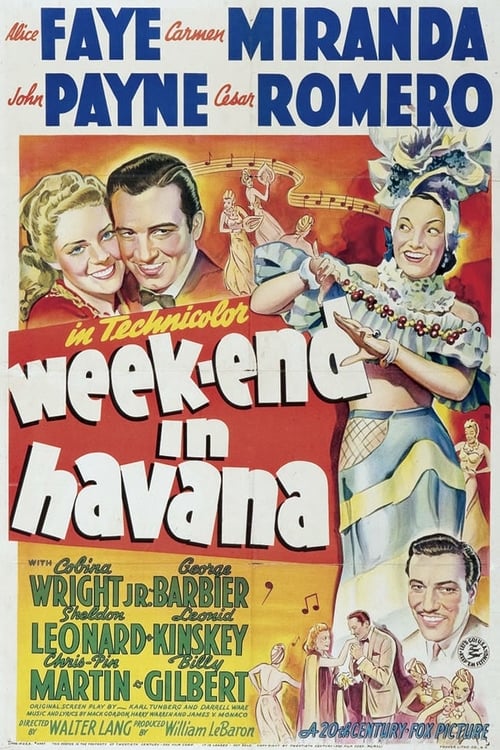
1941
1944
1929
No reviews yet. Be the first to share your thoughts on this movie!
Use the rating form above to leave a star rating and optional review.