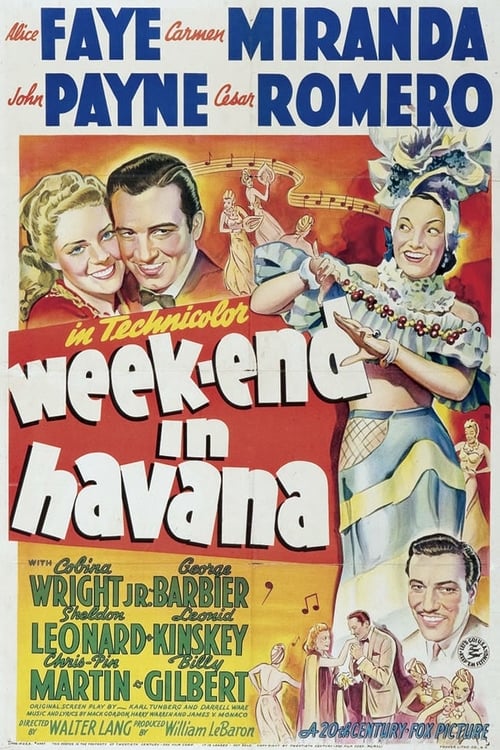
Week-End in Havana
1941
No user ratings available yet
Representation score: 1.1 out of 10
Representation Score
Limited
1944
ApprovedDirector
Joseph Santley
Runtime
91 minutes
Average Rating
No ratings yetNew Showbiz Analysis
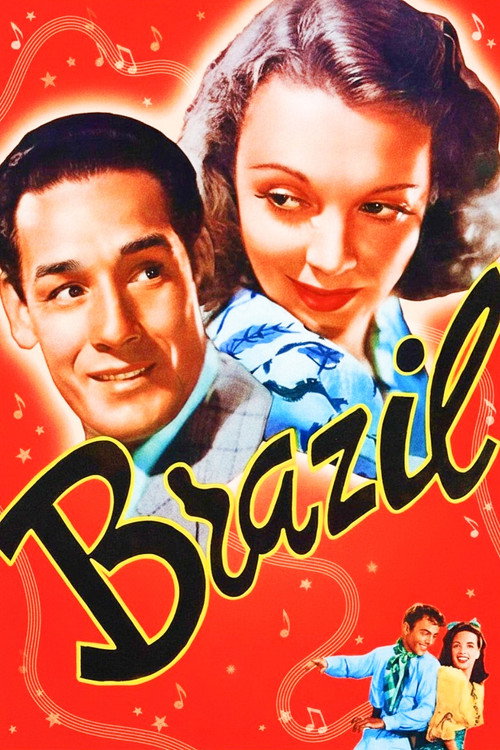
Brazil (1944) is a product of the 'Good Neighbor Policy' era, designed to promote Pan-American relations through idealized, romanticized depictions of South America. It uses a standard screwball comedy structure to create romantic tension through a clash of cultures. While the film offers more ethnic visibility than typical Hollywood fare of the time by featuring a South American lead and a Brazilian setting, it prioritizes lighthearted escapism over deeper exploration. The representation remains highly stylized and commercially appealing. Ultimately, the film operates within the established social and cultural norms of 1940s Hollywood, favoring romantic clichés and musical tourism over nuanced or diverse depth.
Category Breakdown
The film follows the heterosexual and cisgender relationship norms of the 1940s. There is no indication of LGBTQ+ identities or narratives that challenge the era's sexual norms.
The film centers on a female protagonist who has a professional role. However, the plot revolves around romantic tension and the guidance she receives from the male lead.
The film features a South American lead and is set in Rio de Janeiro. This provides ethnic visibility, although it is portrayed through a lens of romanticized exoticism.
The film promotes internationalism through a Western perspective of musical tourism. Brazilian culture is used as a colorful backdrop for a Western protagonist's growth.
There is no representation of physical or neurodivergent disabilities within the narrative.
Present on Screen
Limited or Absent
Official Synopsis
Brazil is perhaps the best of the handful of US films made by singing sensation Tito Guizar. In typical screwball-comedy fashion, the plot is set in motion by authoress Nicky Henderson, who has hit the best-seller charts with her latest tome, Why Marry a Latin? While researching her next book in Rio De Janeiro, she finds out "why" when she meets handsome songwriter Miguel Soares. Upon learning about Nicky's book, Miguel decides to teach her a few lessons in the affairs of the heart. Edward Everett Horton is also on hand, twittering his way through the role of a well-meaning buttinsky. Thanks to the "Good Neighbor" policy of the 1940s, South American musicals were a glut on the market, but Brazil was good enough on its own merits to pay its way at the box office.
1941

1936

1943
1943
1936
1944
1939
1933
No reviews yet. Be the first to share your thoughts on this movie!
Use the rating form above to leave a star rating and optional review.