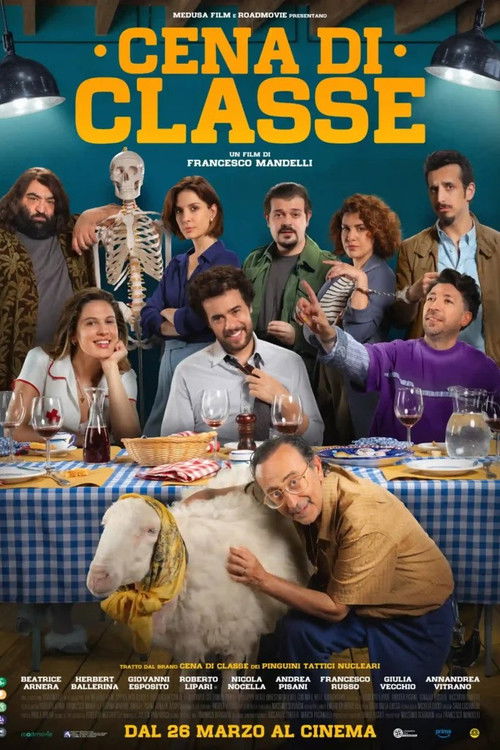
Cena di classe
2026
No user ratings available yet
Representation score: 0.0 out of 10

Representation Score
Fair
1988
Director
Carlo Verdone
Runtime
118 minutes
Average Rating
No ratings yetNew Showbiz Analysis
Compagni di scuola is a character-driven film set in the late 1980s, critiquing the authenticity and the pursuit of status within the middle class. It operates within a specific socio-economic context, prioritizing the shared cultural history of a homogeneous group. While the film does not offer diverse representation, it excels in its postmodern exploration of memory and personal bias. It provides a bittersweet perspective on how social climbing often results in disillusionment rather than fulfillment.
Category Breakdown
The film focuses on traditional heterosexual relationships and does not include any characters with non-binary gender identities or same-sex relationships.
Gender roles are explored through the male protagonists' struggles with adulthood and societal expectations. The film highlights their emotional vulnerabilities and comedic shortcomings.
The cast is predominantly made up of actors representing the Italian middle class, with little diversity in terms of race or ethnicity.
The film critiques the superficiality of bourgeois society and the emptiness of capitalist social climbing. It uses personal memories and biases to challenge the idea of a single, objective truth.
There are no characters with visible or invisible disabilities that play central roles in the narrative. Psychological issues are portrayed as general existential struggles rather than specific mental health conditions.
Present on Screen
Limited or Absent
Official Synopsis
A group of former high school classmates meets for a reunion 15 years after graduation, only to discover that any innocence or friendship is long lost.
2026

1995
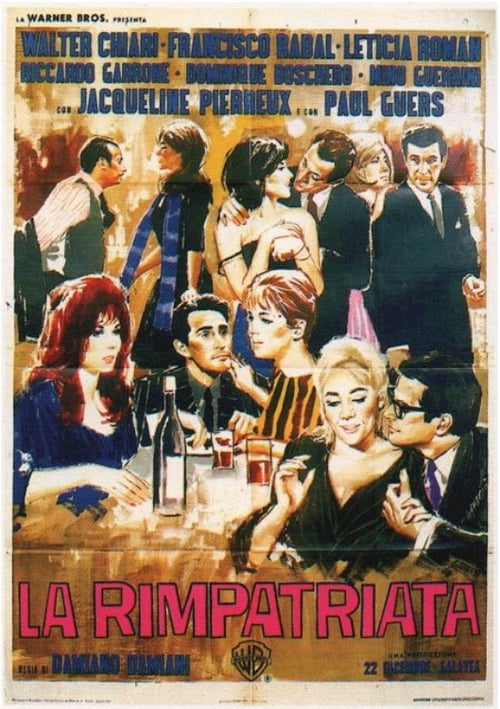
1963
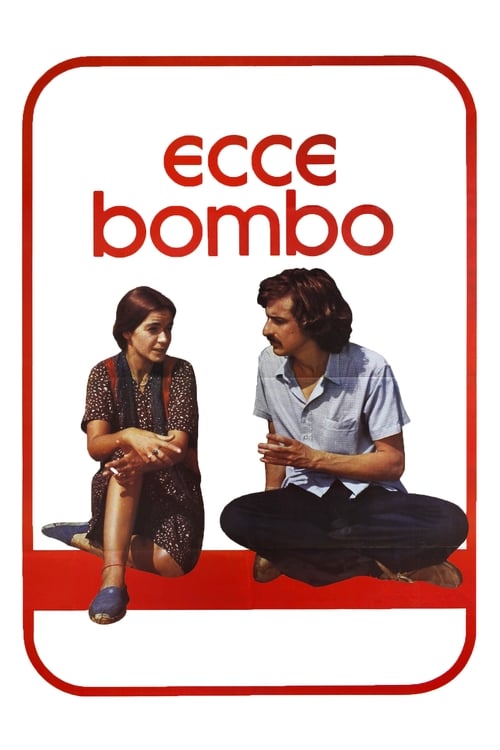
1978
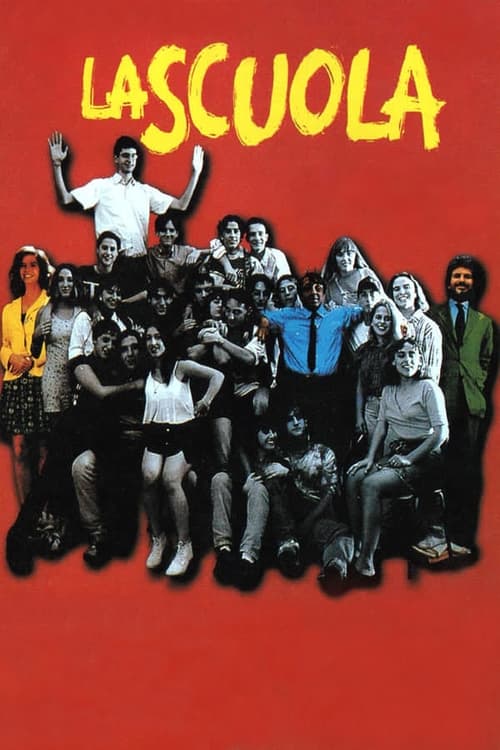
1995

2012

1990

2006
No reviews yet. Be the first to share your thoughts on this movie!
Use the rating form above to leave a star rating and optional review.