The Origins of AIDS
2004
No user ratings available yet
Representation score: 7.4 out of 10
Representation Score
Good
2010
TV-PGDirector
Lisa Laden
Runtime
56 minutes
Average Rating
No ratings yetNew Showbiz Analysis
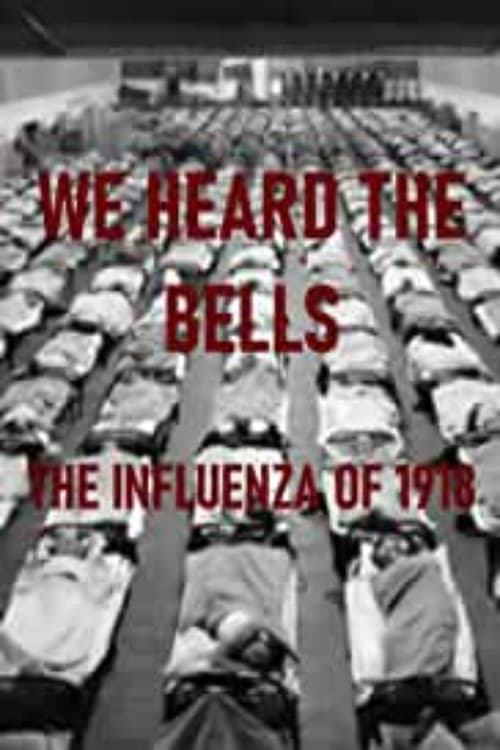
Lisa Laden’s documentary serves as a corrective historical narrative. It shifts away from centralized, top-down medical histories to prioritize the lived experiences of underrepresented groups during the 1918 pandemic. The film connects historical systemic failures with modern scientific urgency by exploring expeditions to Alaska and contemporary epidemiology, valuing diverse human perspectives over purely institutional accounts. While the film highlights storytelling that reflects multiple aspects of identity and non-Western geographies, it remains neutral regarding specific LGBTQ+ or disability-focused identities.
Category Breakdown
The documentary does not include any explicit mention of LGBTQ+ characters or identities. Instead, it focuses on the epidemiological and social impacts of the 1918 pandemic.
The film disrupts traditional medical histories by centering diverse voices and prioritizing individual experiences. It avoids the 'great man' approach to science by focusing on various interviewees.
The documentary centers individuals from underrepresented communities. It engages with indigenous geographies and non-Western historical realities through an expedition to Alaska.
The film critiques historical institutional competence by questioning systemic failures. It uses a secular, investigative framework to examine the pandemic's impact.
The focus remains on the physiological impact of the virus on young adults. It is unclear if the film explores long-term disability or neurodivergence.
Present on Screen
Limited or Absent
Official Synopsis
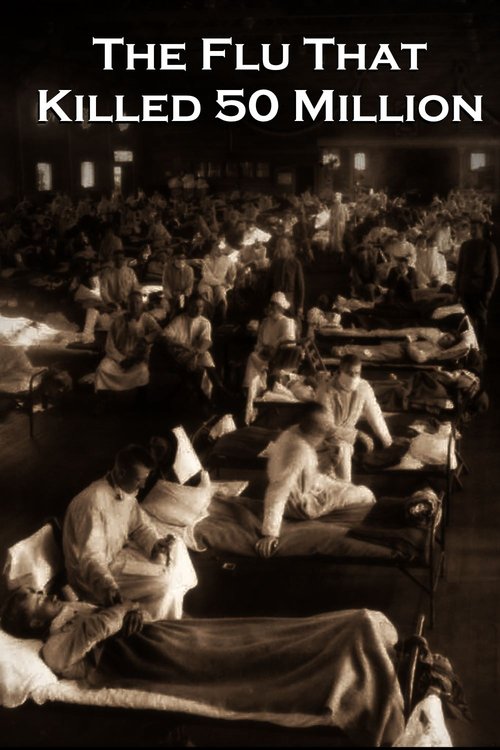
We meet individuals from marginalized communities who describe what it was like to live through the 1918 flu pandemic. Their experiences raise questions about the pandemic: why did it kill so many people? Why were so many of the dead young adults? Where did this lethal flu come from? How can we keep a pandemic like that from occurring again? The film follows the search for answers from an expedition to Alaska in 1951 to collect tissue from bodies buried in the permafrost, to the scientists and epidemiologists working on the same questions today. It explains the relevance of research into the 1918 pandemic to the threat of current and future flu pandemics.
2004
2013
2022

1993
2018
2022
2010
2016
No reviews yet. Be the first to share your thoughts on this movie!
Use the rating form above to leave a star rating and optional review.