
Death Zone: Cleaning Mount Everest
2018
No user ratings available yet
Representation score: 6.4 out of 10
Representation Score
Excellent
2020
PGDirector
Katie Bauer Murdock
Runtime
45 minutes
Average Rating
No ratings yetNew Showbiz Analysis
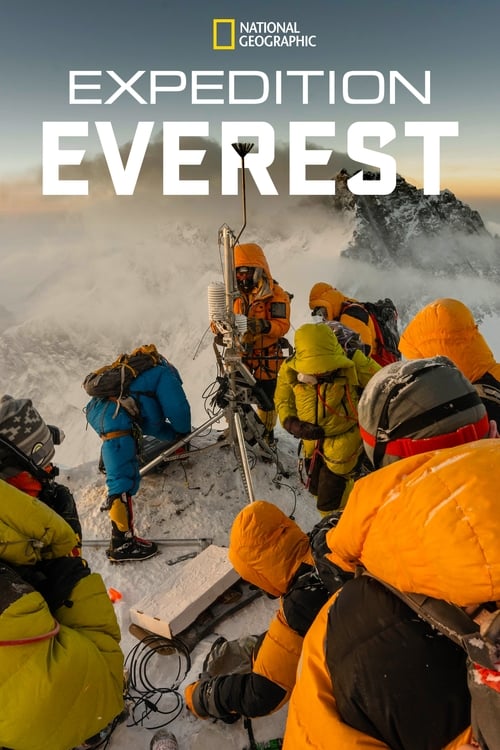
Expedition Everest succeeds in deconstructing the colonialist 'explorer' archetype. By elevating the ability to act of the Sherpa people and focusing on the systemic reality of climate change, the film replaces individualist conquest with a collaborative, science-driven framework. The documentary's strength lies in its approach to racial and ethnic representation. By treating Sherpas as vital scientific partners rather than background labor, it shifts the narrative power away from traditional Western-centric perspectives. However, the film lacks specific focus on LGBTQ+ identities or disability representation. While it avoids harmful clichés, these areas remain largely unaddressed within the scientific mission's narrative.
Category Breakdown
The documentary focuses on scientific inquiry and glacial mapping. There is no explicit mention of LGBTQ+ characters or narratives centered around non-straight relationships.
The film disrupts traditional hierarchies by centering a collaborative scientific mission. It moves away from the 'lone male explorer' cliché toward a multi-disciplinary team approach.
The narrative grants a significant role in driving the story to the Sherpa community, positioning them as essential partners. This integration of local expertise challenges Western-centric models of exploration.
The film prioritizes environmental science and secular inquiry over religious frameworks. It frames climate change as a systemic issue requiring global cooperation.
The focus remains on the physiological challenges of the 'death zone.' There is no specific evidence regarding the portrayal of visible or invisible disabilities.
Present on Screen
Limited or Absent
Official Synopsis
In a groundbreaking expedition on Mount Everest, dozens of scientists converge to investigate what secrets the world’s highest peak has to tell us about our changing climate. The notorious Khumbu Glacier is mapped in stunning detail, biologists study extreme lifeforms, and a team of Sherpas and climate scientists climb straight toward the “death zone” to install the highest weather station in the world.
2018
2013
2015
2021
2022
2019
2022

2015
No reviews yet. Be the first to share your thoughts on this movie!
Use the rating form above to leave a star rating and optional review.